
Beyond Care: Building India's Longevity Economy By Alok Bhatnagar Founder & CEO, KinKeeper

India stands at the threshold of a demographic transformation that will redefine its economic and social future. For decades, our growth story has been powered by the demographic dividend of a young population. That advantage fuelled entrepreneurship, investment, and innovation. Today, however, a new opportunity is emerging—one that demands an equally ambitious vision.

The future of India's prosperity will not be shaped by youth alone. It will also depend on how successfully we enable millions of older Indians to live healthier, longer, more productive, and financially secure lives.

This is the foundation of the Longevity Economy.

Unlike the traditional view of ageing as a period of dependency, the longevity economy recognises longer lives as an economic asset. It encompasses the products, services, technologies, policies, and infrastructure that enable people to remain healthy, independent, socially connected, and economically active throughout later life. It is about moving beyond care to build an ecosystem that empowers people to age with dignity, purpose, and opportunity.

The scale of this opportunity is significant. According to the UNFPA India Ageing Report 2023, India had approximately 149 million people aged 60 years and above in 2022. By 2050, that number is projected to reach 347 million, representing 20.8% of the population. The population aged 80 years and above is expected to grow by around 279% during the same period. These figures represent one of the most profound demographic shifts in India's history.

The challenge, however, is not simply that people are living longer. It is ensuring they live better. Extending healthspan—the years spent in good physical, mental, and social health—is as important as extending lifespan. Healthier ageing reduces pressure on healthcare systems while enabling people to remain active, independent, and engaged for longer.

This transformation extends far beyond healthcare. It creates opportunities across preventive healthcare, digital health, AgeTech, insurance, retirement planning, accessible housing, mobility, wellness, nutrition, lifelong learning, travel, home modifications, and community-based services. Advances in artificial intelligence, wearable devices, remote monitoring, and assistive technologies are also reshaping how people age safely and independently.

A growing number of senior citizens today possess accumulated savings, home ownership, professional expertise, and decades of experience. They are not merely recipients of care—they are consumers, mentors, entrepreneurs, investors, volunteers, and active contributors to society. Businesses that understand their evolving aspirations will be better positioned to serve one of India's fastest-growing consumer segments.

Recognising this opportunity, NITI Aayog has highlighted the rapid emergence of India's silver economy and the opportunities it presents across healthcare, financial services, housing, technology, wellness, and home-based care. The report also notes that healthcare accounts for nearly 31% of senior citizens' expenditure, underscoring the growing demand for preventive healthcare, rehabilitation, home healthcare, and technology-enabled services.

The longevity economy is also poised to become a major employment generator. As India's population ages, demand will grow for caregivers, geriatric specialists, nurses, physiotherapists, rehabilitation professionals, psychologists, nutritionists, accessibility consultants, financial advisers, and AgeTech innovators. Building this ecosystem can create millions of skilled jobs while improving quality of life and reducing pressure on families.

The Economic Survey 2023–24 introduces the concept of the Silver Dividend, noting that enabling people aged 60–69 to remain economically active could increase GDP across Asian economies by an average of 1.5%. It recommends greater investment in lifelong learning, care infrastructure, workforce development, and age-friendly employment, recognising healthy ageing as both a social and economic priority.

Around the world, countries are already adapting to longer lives. Japan has pioneered AgeTech and robotics for independent living. Germany has strengthened long-term care systems, while Singapore has invested in age-friendly communities and ageing-in-place programmes. Their experience demonstrates that demographic change can become a catalyst for innovation when supported by forward-looking policy and private-sector investment.

India must now develop its own model. Urbanisation, migration, smaller families, and longer life expectancy have changed traditional caregiving patterns. Millions of older parents now live independently while their children pursue careers elsewhere. Meeting their evolving needs will require an integrated ecosystem that combines family support, technology, professional services, and community engagement.

The Government of India has taken encouraging steps through initiatives such as the Senior Ageing Growth Engine (SAGE), which supports startups developing solutions for older adults, alongside programmes that encourage healthy ageing and continued participation in society. Together, these initiatives signal an important shift—from treating ageing primarily as a welfare concern to recognising it as a driver of innovation and economic opportunity.

Yet government action alone will not be enough. Building a longevity economy requires collaboration between policymakers, entrepreneurs, healthcare providers, investors, insurers, technology companies, financial institutions, urban planners, academia, and civil society. Age-friendly infrastructure, preventive healthcare, digital inclusion, lifelong learning, and community-based support must become central to India's development agenda.

As India progresses towards Viksit Bharat 2047, success will not be measured solely by economic growth. It will also be measured by how effectively we enable people of every generation to live healthier, safer, more independent, and financially secure lives.

The question is no longer whether India will become an ageing society—it already is. The real challenge is whether we are prepared to transform longevity into a national advantage.

Building the longevity economy is not simply about caring for older citizens. It is about creating a future where longer lives fuel innovation, strengthen industries, generate employment, and enhance social well-being. India has the scale, entrepreneurial talent, and policy momentum to lead this transformation. If we act with vision today, longevity will become not a demographic challenge, but one of India's greatest economic opportunities.

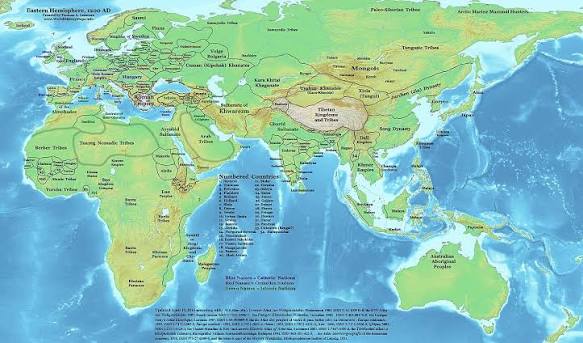
बदल गया दुनिया का नक्शा, नए मैप में अफ्रीका बड़ा, यूरोप-यूएस छोटे; जानें भारत पर क्या असर

#unvotestoadoptsnewworldmapequalearthmapvsmercatormap

संयुक्त राष्ट्र महासभा ने शुक्रवार को दुनिया के एक नए नक्शे को पास को किया है। इसमें पुराने मर्केटर वर्ल्ड मैप की जगह ऐसे नक्शे के इस्तेमाल को बढ़ावा दिया गया है, जिसमें देशों और महाद्वीपों का आकार उनके असली क्षेत्रफल के ज्यादा करीब दिखाई देता है। नए नक्शे में अफ्रीका पहले से काफी बड़ा, जबकि यूरोप और उत्तरी अमेरिका छोटे नजर आएंगे। एशिया के कुछ हिस्सों का आकार भी तुलनात्मक रूप से छोटा दिखेगा।

वर्ल्ड मैप में बदलाव को लेकर अफ्रीकी देश टोगो की तरफ से प्रस्ताव पेश किया गया। टोगो और अफ्रीकी यूनियन (AU) के सदस्यों के समर्थन वाले 'नक्शे को सही करें' नाम के प्रस्ताव को 164 देशों का समर्थन मिला है जिनमें फ्रांस और यूके भी शामिल थे। अमेरिका एकमात्र ऐसा देश था जिसने इसके खिलाफ वोट किया था और छह देशों ने वोटिंग में हिस्सा नहीं लिया। इस नक्शे में अफ्रीका को उसके मूल रूप में दिखाया गया है।

‘इक्वल अर्थ प्रोजेक्शन’ को अपनाने की अपील

इस नक्शे को इक्वल अर्थ प्रोजेक्शन के जरिए मापा गया है। इससे पहले मर्केटर मैप माना जाता था दरअसल, टोगो एक कैंपेन को लीड कर रहा था। टोगो इस कैंपेन के तहत दुनिया भर की सरकारों और संस्थाओं से पारंपरिक ‘मर्केटर प्रोजेक्शन’ को छोड़कर ‘इक्वल अर्थ प्रोजेक्शन’ को अपनाने का आग्रह किया।

क्या है ‘मर्केटर प्रोजेक्शन’?

मर्केटर प्रोजेक्शन के आधार पर नक्शे का इस्तेमाल 16वीं सदी से हो रहा है। समर्थकों और भूगोल-विशेषज्ञों का कहना है कि ‘इक्वल अर्थ’ नक्शा महाद्वीपों के सापेक्ष आकार और अनुपात को ज़्यादा सही ढंग से दिखाता है। ‘मर्केटर प्रोजेक्शन’ में ग्रीनलैंड का आकार अफ्रीका के लगभग बराबर दिखता है, जबकि असल में वह बहुत छोटा है। इसके उलट, ‘इक्वल अर्थ प्रोजेक्शन’ महाद्वीपों को ज़्यादा सही अनुपात में दिखाता है, जिसमें अफ्रीका को ग्रीनलैंड से लगभग 14 गुना बड़ा दिखाया गया है। हालांकि, यह प्रस्ताव ‘मर्केटर प्रोजेक्शन’ के इस्तेमाल पर रोक नहीं लगाता और न ही इसे बदलने के लिए मजबूर करता है।

अमेरिका ने प्रस्ताव का किया विरोध

टोगो द्वारा लाए गए इस प्रस्ताव का अफ्रीकी संघ के बाकी 54 सदस्य देशों समेत कई देशों ने समर्थन किया था। वोटिंग के बाद इस प्रस्ताव को मंजूर कर लिया गया। वहीं, अमेरिका ने इस पहल की कड़ी आलोचना की। अमेरिकी प्रतिनिधि यारिना फेरेन्सेविच ने कहा कि संयुक्त राष्ट्र को दुनिया की असली समस्याओं पर ध्यान देना चाहिए, न कि 16वीं सदी के नक्शे को बदलने जैसी बहस पर। उन्होंने इसे एक वैचारिक एजेंडा बताया और कहा कि ऐसी बहसों की वजह से संयुक्त राष्ट्र अपनी विश्वसनीयता खो रहा है।

क्या है भारत की राय?

वहीं, भारत ने संयुक्त राष्ट्र महासभा में उस प्रस्ताव के पक्ष में मतदान किया है, जिसका उद्देश्य दुनिया के नक्शे में महाद्वीपों के आकार को ज्यादा सही तरीके से दिखाना है। भारतीय राजनयिक रघु पुरी ने कहा कि भारत इस प्रस्ताव को समान-क्षेत्रफल वाले मानचित्र प्रोजेक्शन के व्यापक इस्तेमाल और विचार को बढ़ावा देने के रूप में देखता है। उन्होंने स्पष्ट किया कि भारत का समर्थन किसी एक विशेष प्रोजेक्शन, जिसमें ‘इक्वल अर्थ’ भी शामिल है, को आधिकारिक तौर पर अपनाने का समर्थन नहीं है। पुरी ने कहा कि अलग-अलग मानचित्र प्रोजेक्शन में किसी क्षेत्र के आकार को लेकर धारणा में अंतर पैदा हो सकता है। खासतौर पर ऐसे प्रोजेक्शन में, जिनका उद्देश्य आकार के बजाय भूगोल की दूसरी विशेषताओं जैसे आकृति, दिशा या दूरी को बनाए रखना होता है।

भारत के आकार का क्या?

भारत की वास्तविक जमीन, अंतरराष्ट्रीय सीमाओं या क्षेत्रफल में कोई बदलाव नहीं होगा। यह बदलाव देशों की सीमाएं बदलने वाला नहीं, बल्कि नक्शे पर पृथ्वी को दिखाने का तरीका बदलने वाला है। भारत का नक्शा देखने में भी थोड़ा अलग दिख सकता है, लेकिन भारत के मामले में बदलाव बहुत बड़ा नहीं होगा। नया नक्शा क्षेत्रफल सही अनुपात में दिखाता है। पुराने नक्शे में भूमध्य रेखा के आसपास के इलाके अपने आकार से छोटे और ध्रुवों के पास के इलाके बड़े दिखते हैं। भारत भूमध्य रेखा से बहुत दूर नहीं है, इसलिए पुराने नक्शे में भी उसका आकार कुछ हद तक छोटा दिखता है।

सिंधु जल संधि पर वर्ल्ड बैंक की मध्यस्थता अदालत के फैसले को भारत ने किया खारिज, दिया दो टूक जवाब

#nduswatertreatyindiarejectsworldbank_judgemen

भारत ने सिंधु जल संधि पर वर्ल्ड बैंक की बनाई कोर्ट ऑफ आर्बिट्रेशन (CoA) के फ़ैसले को मानने से इनकार कर दिया है। भारत ने कोर्ट को अवैध बताते हुए कहा कि इस मामले पर कोई सुनवाई उसके अधिकारी क्षेत्र में नहीं आता है। विदेश मंत्रालय ने बयान जारी कर कहा कि CoA की ओर से दिए गए फैसलों का भारत की कार्रवाई पर कोई प्रभाव नहीं पड़ेगा। भारत ने सिंधु जल संधि को स्थगित रखने के निर्णय को भी दोहराया।

भारत ने संस्था को “अवैध रूप से गठित” बताया

विदेश मंत्रालय ने सोमवार को सिंधु जल संधि को लेकर विश्व बैंक द्वारा गठित कोर्ट ऑफ आर्बिट्रेशन के फैसले को सिरे से खारिज कर दिया। भारत ने इस संस्था को “अवैध रूप से गठित” बताते हुए कहा कि पाकिस्तान के साथ जल संधि को स्थगित रखने का उसका फैसला लागू रहेगा। विदेश मंत्रालय ने अपने बयान में कहा कि विश्व बैंक द्वारा गठित यह तथाकथित मध्यस्थता अदालत संधि की शर्तों का स्पष्ट उल्लंघन करते हुए बनाई गई थी। इसलिए भारत इसके फैसले को पूरी तरह खारिज करता है, जैसा कि वह इस संस्था की पिछली टिप्पणियों को भी खारिज करता रहा है।

भारत ने कहा- निकाय का गठन ही सिंधु जल संधि का गंभीर उल्लंघन

विदेश मंत्रालय ने कहा कि भारत ने कभी भी इस कथित मध्यस्थता अदालत के कानूनी अस्तित्व को स्वीकार नहीं किया है। भारत का लगातार यह रुख रहा है कि इस निकाय का गठन ही सिंधु जल संधि का गंभीर उल्लंघन है। विदेश मंत्रालय के मुताबिक, भारत इस तथाकथित अदालत के समक्ष कभी पेश नहीं हुआ और न ही उसने इसके पहले दिए गए किसी फैसले या टिप्पणी को मान्यता दी है।

सिंधु जल समझौते पर मध्यस्थता कोर्ट ने क्या कहा

इससे पहले, नीदरलैंड के हेग स्थित स्थायी मध्यस्थता अदालत ने आदेश दिया कि भारत और पाकिस्तान के बीच हुई सिंधु जल संधि पूरी तरह से लागू है। मध्यस्थता अदालत ने भारत से कहा कि यह 'समझौते के तहत अपनी जिम्मेदारियों का पालन करे।

सिंधु जल समझौता कब हुआ था

भारत और पाकिस्तान के बीच 1960 में सिंधु जल समझौता हुआ था। भारत का हमेशा से मानना रहा है कि सिंधु जल समझौता एकतरफा पाकिस्तान के हक में हुई और उसका अधिकतर लाभ उसे ही दिया जा रहा है और फिर भी वह उसका पूरी तरह से फायदा उठा नहीं पा रहा। पाकिस्तान ने हमेशा इस संधि का फायदा उठाते हुए खूब मनमानी की और भारत के सिंधु जलों पर समझौते के तहत मिले उचित अधिकारों के इस्तेमाल में भी अड़ंगा डालने की आदत बना ली। भारत ने सबकुछ सहते हुए 65 साल तक इस एकतरफा समझौते का पालन किया और सारे नुकसान को ताक पर रखकर संधि का सम्मान किया।

पहलगाम आतंकी हमले के बाद भारत ने संधि को किया था स्थगित

भारत ने अप्रैल 2025 में हुए पहलगाम आतंकी हमले के बाद सिंधु जल संधि को स्थगित रखने का फैसला किया था। इसके बाद से पाकिस्तान के नेताओं ने कई बार पानी को अपनी 'रेड लाइन' बताया है और भारत के इस कदम को लेकर चेतावनी दी है। पाकिस्तान की ओर से इसे 'युद्ध की कार्रवाई' तक बताया जा चुका है

In today’s digital-first world, having an online presence is not enough — you need the right digital marketing strategy to reach your customers, generate leads, and grow your sales.

At Digital Care, we provide complete digital solutions to help businesses build a strong online presence and achieve measurable growth.

Sanatan Dharma: The New Indian Brand Creating a Buzz Around Everyday Tradition

What happens when a young entrepreneur looks at something that has existed in Indian homes for centuries and decides to build a modern brand around it?The answer is Sanatan Dharma™—an emerging Indian consumer brand founded by Shivek Tyagi, which is now stepping into the rapidly evolving market for puja essentials and devotional products.

At a time when India's young entrepreneurs are increasingly building brands around traditional Indian products, Sanatan Dharma is attempting something particularly interesting: taking products that families have used for generations and presenting them to a new generation of consumers through modern branding, packaging and digital commerce.

And the idea is beginning to create attention.

From an Everyday Need to a Brand Opportunity

For generations, products such as camphor, cotton wicks, kumkum, kalawa, sindoor and other puja essentials have been purchased almost automatically from neighbourhood stores.

There was rarely a brand conversation around them.

Shivek Tyagi saw an opportunity in exactly that gap.

The thinking was simple: if consumers expect quality, consistency and trust from almost every other category they purchase, why should the products used in their most personal and meaningful rituals be any different?

That thought became the foundation for Sanatan Dharma.

Today, the brand is developing a growing portfolio of puja essentials, devotional products and curated puja kits, with an approach that combines traditional relevance with modern consumer expectations.

Why Is Sanatan Dharma Getting Attention?

Part of the answer lies in timing.

India's relationship with tradition is changing—not disappearing.

Young Indians are increasingly comfortable with digital commerce, modern packaging and online shopping, while at the same time remaining closely connected to festivals, family rituals and cultural practices.

This creates a fascinating opportunity.

A consumer can order groceries online, discover a new brand through social media and still sit with their family for Diwali puja in the evening.

Sanatan Dharma is positioning itself right in the middle of this changing behaviour.

Its proposition is not to change the rituals people follow.

It is to modernise the way the products behind those rituals are discovered and purchased.

From Camphor to Curated Puja Kits

The brand's portfolio includes everyday essentials such as camphor, Bhimseni camphor, cotton wicks, ghee cotton wicks, kumkum, kalawa, sindoor and Ashtagandh, along with curated kits designed around specific pujas and occasions.

The idea of curated kits is particularly relevant to today's consumer.

Instead of searching for every individual item required for a particular ritual, consumers can find products brought together for specific occasions.

It is a simple example of how traditional shopping behaviour can be made more convenient without changing the tradition itself.

The Shivek Tyagi Story

At the centre of this emerging brand is Shivek Tyagi, a young entrepreneur looking at an established category through a different lens.

Rather than entering an already crowded mainstream consumer category, Tyagi chose to build around a segment that is deeply connected to Indian households but has historically had relatively limited organised branding.

That decision reflects a broader entrepreneurial trend in India: finding opportunities not only in new technology or entirely new products, but also in categories that have existed for decades and are ready for a fresh approach.

Sanatan Dharma is still a young brand, but its ambition is considerably larger than its current footprint.

The objective is to build recognition, earn consumer trust and eventually create a household name in the puja and devotional products category.

The “New-Age” Puja Brand

Walk through a modern Indian home and you will see something interesting.

Tradition and technology now exist side by side.

A family may perform the same puja their grandparents performed, but the products for that puja can now be discovered through a smartphone.

That is the market Sanatan Dharma is entering.

The brand's identity combines traditional Indian cultural associations with contemporary packaging and digital accessibility. Its online presence allows consumers to explore its products beyond their local market.

For a category historically dependent on neighbourhood availability, this represents a significant shift.

Building a Brand, Not Just Selling Products

The real challenge for Sanatan Dharma will be building long-term trust.

Creating initial curiosity is one thing.

Becoming a brand that families repeatedly choose is another.

The company, a unit of Sara Greenworks Pvt. Ltd., is therefore looking beyond individual online sales. Its broader plans include expanding through retail stores, distributors, wholesale partnerships and digital commerce.

The ambition is to take the brand from individual households to retail shelves across India—and eventually to Indian communities around the world.

Why the Timing Could Be Right

India's consumer market is increasingly showing an appetite for brands that understand Indian culture.

From food and Ayurveda to handicrafts and traditional wellness products, entrepreneurs are discovering that heritage itself can become the foundation for modern businesses.

Sanatan Dharma is attempting a similar journey in the puja essentials category.

Its biggest advantage may be the familiarity of the products themselves.

Consumers already understand the need.

The opportunity is to give them a brand they can remember.

From Hype to Household Trust

Every emerging brand goes through a stage where curiosity turns into conversation.

Sanatan Dharma is now entering that phase.

Its combination of a young entrepreneurial vision, a culturally significant category and modern consumer positioning is attracting attention among consumers looking for more organised and accessible sources of puja essentials.

But Shivek Tyagi's larger challenge—and opportunity—is clear.

Can a new-age Indian brand become part of an age-old tradition?

If Sanatan Dharma succeeds, its journey could represent more than the growth of another consumer company.

It could demonstrate how India's oldest traditions can create opportunities for India's newest entrepreneurs.

Because the products may be traditional.

The rituals may be centuries old.

But the brand building around them is very much happening in today's India.

Sanatan Dharma™

An emerging Indian brand by Shivek Tyagi, bringing traditional puja essentials into the modern Indian home.

Website: www.sanatandharmaonline.com

WhatsApp Orders: +91-7982444690

Email:

Sanatan Dharma: The New Indian Brand Creating a Buzz Around Everyday Tradition

What happens when a young entrepreneur looks at something that has existed in Indian homes for centuries and decides to build a modern brand around it?The answer is Sanatan Dharma™—an emerging Indian consumer brand founded by Shivek Tyagi, which is now stepping into the rapidly evolving market for puja essentials and devotional products.

At a time when India's young entrepreneurs are increasingly building brands around traditional Indian products, Sanatan Dharma is attempting something particularly interesting: taking products that families have used for generations and presenting them to a new generation of consumers through modern branding, packaging and digital commerce.

And the idea is beginning to create attention.

From an Everyday Need to a Brand Opportunity

For generations, products such as camphor, cotton wicks, kumkum, kalawa, sindoor and other puja essentials have been purchased almost automatically from neighbourhood stores.

There was rarely a brand conversation around them.

Shivek Tyagi saw an opportunity in exactly that gap.

The thinking was simple: if consumers expect quality, consistency and trust from almost every other category they purchase, why should the products used in their most personal and meaningful rituals be any different?

That thought became the foundation for Sanatan Dharma.

Today, the brand is developing a growing portfolio of puja essentials, devotional products and curated puja kits, with an approach that combines traditional relevance with modern consumer expectations.

Why Is Sanatan Dharma Getting Attention?

Part of the answer lies in timing.

India's relationship with tradition is changing—not disappearing.

Young Indians are increasingly comfortable with digital commerce, modern packaging and online shopping, while at the same time remaining closely connected to festivals, family rituals and cultural practices.

This creates a fascinating opportunity.

A consumer can order groceries online, discover a new brand through social media and still sit with their family for Diwali puja in the evening.

Sanatan Dharma is positioning itself right in the middle of this changing behaviour.

Its proposition is not to change the rituals people follow.

It is to modernise the way the products behind those rituals are discovered and purchased.

From Camphor to Curated Puja Kits

The brand's portfolio includes everyday essentials such as camphor, Bhimseni camphor, cotton wicks, ghee cotton wicks, kumkum, kalawa, sindoor and Ashtagandh, along with curated kits designed around specific pujas and occasions.

The idea of curated kits is particularly relevant to today's consumer.

Instead of searching for every individual item required for a particular ritual, consumers can find products brought together for specific occasions.

It is a simple example of how traditional shopping behaviour can be made more convenient without changing the tradition itself.

The Shivek Tyagi Story

At the centre of this emerging brand is Shivek Tyagi, a young entrepreneur looking at an established category through a different lens.

Rather than entering an already crowded mainstream consumer category, Tyagi chose to build around a segment that is deeply connected to Indian households but has historically had relatively limited organised branding.

That decision reflects a broader entrepreneurial trend in India: finding opportunities not only in new technology or entirely new products, but also in categories that have existed for decades and are ready for a fresh approach.

Sanatan Dharma is still a young brand, but its ambition is considerably larger than its current footprint.

The objective is to build recognition, earn consumer trust and eventually create a household name in the puja and devotional products category.

The “New-Age” Puja Brand

Walk through a modern Indian home and you will see something interesting.

Tradition and technology now exist side by side.

A family may perform the same puja their grandparents performed, but the products for that puja can now be discovered through a smartphone.

That is the market Sanatan Dharma is entering.

The brand's identity combines traditional Indian cultural associations with contemporary packaging and digital accessibility. Its online presence allows consumers to explore its products beyond their local market.

For a category historically dependent on neighbourhood availability, this represents a significant shift.

Building a Brand, Not Just Selling Products

The real challenge for Sanatan Dharma will be building long-term trust.

Creating initial curiosity is one thing.

Becoming a brand that families repeatedly choose is another.

The company, a unit of Sara Greenworks Pvt. Ltd., is therefore looking beyond individual online sales. Its broader plans include expanding through retail stores, distributors, wholesale partnerships and digital commerce.

The ambition is to take the brand from individual households to retail shelves across India—and eventually to Indian communities around the world.

Why the Timing Could Be Right

India's consumer market is increasingly showing an appetite for brands that understand Indian culture.

From food and Ayurveda to handicrafts and traditional wellness products, entrepreneurs are discovering that heritage itself can become the foundation for modern businesses.

Sanatan Dharma is attempting a similar journey in the puja essentials category.

Its biggest advantage may be the familiarity of the products themselves.

Consumers already understand the need.

The opportunity is to give them a brand they can remember.

From Hype to Household Trust

Every emerging brand goes through a stage where curiosity turns into conversation.

Sanatan Dharma is now entering that phase.

Its combination of a young entrepreneurial vision, a culturally significant category and modern consumer positioning is attracting attention among consumers looking for more organised and accessible sources of puja essentials.

But Shivek Tyagi's larger challenge—and opportunity—is clear.

Can a new-age Indian brand become part of an age-old tradition?

If Sanatan Dharma succeeds, its journey could represent more than the growth of another consumer company.

It could demonstrate how India's oldest traditions can create opportunities for India's newest entrepreneurs.

Because the products may be traditional.

The rituals may be centuries old.

But the brand building around them is very much happening in today's India.

Sanatan Dharma™

An emerging Indian brand by Shivek Tyagi, bringing traditional puja essentials into the modern Indian home.

Website: www.sanatandharmaonline.com

WhatsApp Orders: +91-7982444690

Email:

SweeTea can be familiar. Or it can surprise you.

Beyond the everyday cup of green or black tea is a much larger botanical world—leaves, flowers, roots, fruits and herbs with their own colours, aromas and natural character. Sweetea was created to make that world easier to explore, bringing speciality herbal tea and uncommon botanicals into a simple everyday tea ritual. 

Since 2016, Sweetea has focused on herbal and wellness teas, selecting recognisable plant ingredients and presenting them in convenient tea formats. Today, the collection brings together familiar favourites such as Chamomile, Lemon Balm and Lavender with more distinctive botanicals such as Mullein, Nettle Leaf, Dandelion Root, Sage and Sea Buckthorn.


A Tea Brand Built Around Botanical Discovery


The idea behind Sweetea is simple: you should not have to choose between ordinary tea and complicated herbal products. There is another option—discover individual botanicals as tea, one cup at a time.


Some ingredients immediately feel familiar. Chamomile has a soft floral character. Lemon Balm brings a fresh herbal note. Sage has a more earthy, aromatic personality. Other ingredients are less commonly found in everyday tea collections. Mullein, Nettle Leaf, Dandelion Root and Sea Buckthorn invite a different kind of curiosity.


That variety is what makes Sweetea different. It is not only about finding a tea you already know. It is about finding something you have never tried before.


From Leaves and Flowers to Roots and Berries


A botanical tea collection becomes interesting when it goes beyond one type of plant.

Sweetea explores different parts of the botanical world. Leaves can create fresh, green or earthy infusions. Flowers can bring delicate aromas and beautiful natural colours. Roots often create deeper and more distinctive cups. Fruits and berries can introduce natural tartness and brightness.


Take Dandelion Root Tea. Its roasted root creates a deeper, earthy tea experience that is very different from delicate floral infusions.


Or consider Sea Buckthorn Berries Tea, made with whole berries for a naturally fruity and tangy, caffeine-free infusion that can be enjoyed hot or iced.


Then there is Mullein Tea, a light-bodied, caffeine-free herbal infusion with a gentle earthy character. Each botanical tells a different story through taste.


Speciality Herbal Tea Without Making It Complicated, The word “speciality” can sometimes make tea sound difficult. Sweetea takes the opposite approach.


The goal is to make speciality herbal tea easy to understand and easy to brew. Product information provides the ingredient, brewing guidance and caffeine information so customers can make a more informed choice.


This matters because herbal tea is not one single flavour.


Some people enjoy floral cups. Others prefer earthy roots. Some want a naturally caffeine-free evening drink. Others simply want something different from their regular morning beverage.


There is no single “best” herbal tea for everyone.


The better question is: which botanical suits your taste and your tea ritual?

 Rare Herbal Tea for Curious Tea Drinkers


Sweetea’s strongest opportunity is its unusual range.


For someone searching for rare herbal tea, the attraction is discovery. Instead of seeing the same handful of ingredients everywhere, tea lovers can explore botanicals such as Mullein, Nettle, Dandelion Root, Sage, Sea Buckthorn and other speciality ingredients. This creates a different kind of tea experience.


You might begin with a familiar floral tea and gradually move towards roots, leaves and berries that you have never tasted before. Over time, your tea shelf becomes less about following trends and more about understanding your own preferences.


That is the spirit behind Sweetea.

Not every tea needs to be fashionable. Some teas simply need to be interesting.

Honest Tea Starts With Knowing What Is in Your Cup


Sweetea’s current positioning is deliberately straightforward: “Wellness, steeped honestly.” The brand highlights recognisable leaves, roots and flowers and says it aims to let their natural character speak rather than relying on overpromising

That is an important distinction in the modern wellness market.


Herbal ingredients have long histories of traditional use, but a tea should not be presented as a substitute for medical care or as a guaranteed solution to a health condition. Sweetea’s product pages also include safety notes encouraging appropriate professional advice in situations such as pregnancy, breastfeeding, medication use or existing health conditions. 

The result is a more grounded way to talk about botanical tea: know the ingredient, understand the tea, enjoy the experience.


Why Sweetea?


Sweetea brings together three simple ideas: botanical variety, speciality herbal tea and everyday convenience.


It gives tea drinkers a way to move beyond the familiar without making the journey complicated. From Chamomile and Lemon Balm to Mullein, Nettle Leaf, Sage, Dandelion Root and Sea Buckthorn, the collection offers different flavours, plant parts and tea experiences. 

And perhaps that is the most honest way to describe Sweetea.


It is a tea brand for people who are curious about plants.

People who want to taste something different.

People who enjoy discovering uncommon ingredients.

People who believe that a daily cup can be simple without being ordinary.


Explore the Botanical Side of Tea


The next time you search for botanical tea, look beyond the usual choices. Explore a leaf you have never tasted. Try a root. Discover a flower. Brew a berry. Find an ingredient whose name is new to you.


Because the world of tea is much bigger than the familiar cup. Sweetea brings that wider botanical world a little closer—one thoughtfully selected tea at a time.


Sweetea — Trust. Deserve. Enjoy Healthy Refreshments

For more information you can visit https://sweetea.in/


From Batamaloo to the Podium: The Icestock Journey of Faheem Masood Shah

There are athletes who chase medals, and there are athletes who build a movement. In Jammu & Kashmir, Faheem Masood Shah has quietly become both.

Faheem's latest outing came at the Himadari Ice Rink in Dehradun, an international-standard facility that hosted a national IcestockSport tournament featuring squads from Karnataka, Maharashtra, Chandigarh, Gujarat, Goa, Uttarakhand, Delhi and other states. Leading Jammu & Kashmir as captain, Faheem returned home with two gold medals, two silver medals and a bronze — a result that surprised no one who has followed his decade-long career on the ice.

Born in 1992 in Batamaloo, Srinagar, Faheem's introduction to competitive sport had nothing to do with ice. Football, cricket, rugby and athletics filled his childhood, sharpening the reflexes and competitive instinct that would later define his icestock game. It was during a snow rugby event in Gulmarg in 2014 that he first picked up an icestock — handed to him, almost by chance, by Manfred Schafer, then head of the International Federation of IcestockSport. His first throw hit the target. He has barely stopped since.

What followed was over a decade of steady, often unglamorous graft: training on poorly maintained ice, competing with borrowed gear, and traveling to international meets on shoestring budgets, all in a country where winter sports infrastructure remains thin, and in a region where it is thinner still.

The results, however, tell their own story. Faheem has represented India in more than 200 international matches and picked up medals across three continents. A career highlight came at the 2025 World Icestock Championship in Kapfenberg & Stanz, Austria, where he helped India to a team bronze medal and a fourth-place finish in Team Long Distance, lifting India to a Top-7 world ranking in the Team Game category — one of the strongest results posted by an Indian side at that level.

Away from the rink, Faheem has built an equally serious second career. He holds a degree in Computer Engineering and a master's degree in Artificial Intelligence and Data Science, has worked as a programmer and certified UX designer, and is an independent researcher with contributions to published research. Few of his rivals on the ice, in India or abroad, carry a resume quite like it.

Yet those who know him say it is his work off the rink that matters most to him. Through the Vaadi E Kashmir Foundation, Faheem is involved in youth development, digital literacy and community sports programmes across the Valley, and is a familiar sight coaching children on makeshift rinks after his own competitions wrap up. Kids in Gulmarg and Srinagar follow his results closely; for many, he has become proof that a path exists — even from a region with little winter sports tradition and even less support.

"We're not that far behind," Faheem has said of India's standing in the sport. "We just need people to believe in us."

With the Dehradun tournament now added to an already long list of national titles, Faheem's ambitions have not slowed. The European Championships are next on his calendar, with Olympic qualification the ultimate target — a goal he has framed not as a personal milestone, but as a message to "every kid who thinks they can't make it because they're from Kashmir."

Career Tournament Record

Year

Event

Level

Location

Result

2014

1st National Ice Stock Sport Championship

National

Gulmarg, Jammu & Kashmir, India

Gold, Gold

2015

2nd National Ice Stock Sport Championship

National

Gulmarg, Jammu & Kashmir, India

Gold, Silver

2016

3rd National Ice Stock Sport Championship

National

Gulmarg, Jammu & Kashmir, India

Gold, Silver, Silver

2017

4th National Ice Stock Sport Championship

National

Gulmarg, Jammu & Kashmir, India

Gold, Gold, Silver

2018

5th National Ice Stock Sport Championship

National

Gulmarg, Jammu & Kashmir, India

Gold, Silver

2018

12th Ice Stock Sport World Cup

World Championship

Austria

10th Place

2019

6th National Ice Stock Sport Championship

National

Gulmarg, Jammu & Kashmir, India

Gold, Gold, Silver, Silver, Bronze

2019

International Ice Stock Sport Cup

International

China

5th Place

2020

13th Ice Stock Sport World Championship

World Championship

Regen, Bavaria, Germany

7th Place

2021

7th National Ice Stock Sport Championship

National

Gulmarg, Jammu & Kashmir, India

Gold, Silver

2021

Summer National Ice Stock Sport Championship

National

SKISC, Srinagar, Jammu & Kashmir, India

Gold, Gold, Gold, Silver

2022

8th National Ice Stock Sport Championship

National

Jammu & Kashmir, India

Gold, Silver

2022

14th Ice Stock Sport World Championship

World Championship

Ritten, Italy

7th Place

2023

9th National Ice Stock Sport Championship

National

Gulmarg, Jammu & Kashmir, India

Gold, Gold, Gold, Silver, Bronze, Bronze

2023

3rd Khelo India National Winter Games

Gulmarg, Jammu & Kashmir, India

Gold, Silver, Silver, Bronze

2023

2nd Summer National Ice Stock Sport Championship

National

Pune, Maharashtra, India

Gold, Gold, Gold, Silver, Silver, Bronze, Bronze

2024

10th National Ice Stock Sport Championship

National

Gulmarg, Jammu & Kashmir, India

Gold, Gold, Gold, Silver, Silver

2024

3rd National Ice Stock Sport Summer Championship

National

Srinagar, Jammu & Kashmir, India

Silver, Silver

2025

11th National Ice Stock Sport Championship

National

Gulmarg, Jammu & Kashmir, India

Gold, Gold, Silver, Silver, Bronze

2025

15th Ice Stock Sport World Championship

World Championship

Kapfenberg & Stanz, Austria

Bronze

2025

National Summer Ice Stock Sport Tournament

National

Agra, Uttar Pradesh, India

Gold, Silver

2026

12th National Ice Stock Sport Championship

National

Gulmarg, Jammu & Kashmir, India

Gold, Gold, Silver, Silver

2026

National Ice Stock Sport Tournament

National

Himadari Ice Rink, Dehradun, Uttarakhand, India

Gold, Gold, Silver, Silver, Bronze

हर साल 9 अगस्त को क्यों मनाया जाता है विश्व आदिवासी दिवस ? जानिए रोचक इतिहास

#worldtribalsdaywhycelebrateon9thaugust

आज पूरी दुनिया में 'विश्व आदिवासी दिवस' मना रही है। आज ही के दिन यानी हर साल 9 अगस्त को झारखंड आदिवासी महोत्सव भी मनाया जाता है। मुख्यधारा से अलग रहने की वजह से आदिवासी समुदाय लंबे समय से आर्थिक और कई सामाजिक चुनौतियों का सामना कर रहे हैं। उनके इन्हीं अधिकारों के विकास और समृद्ध संस्कृति के संरक्षण के प्रति जागरूकता बढ़ाने के उद्देश्य से हर साल 9 अगस्त को विश्व आदिवासी दिवस मनाया जाता है। इस खास मौके पर झारखंड आदिवासी महोत्सव का आयोजन होता है।

कोलंबस दिवस से जुड़ा है आदिवासी दिवस

संयुक्त राष्ट्र महासभा ने पहली बार 1994 को अंतर्राष्ट्रीय आदिवासी वर्ष घोषित किया था। अमेरिका में 12 अक्‍टूबर को हर साल कोलंबस दिवस मनाया जाता है और वहां के आदिवासियों का मानना था कि कोलंबस उस उपनिवेशी शासन व्यवस्था का प्रतिनिधित्व करते हैं, जिसके लिए बड़े पैमाने पर जनसंहार हुआ था। इसके बाद फिर कोलंबस दिवस की जगह पर आदिवासी दिवस मनाने की मागं उठी। इसके लिए 1977 में जेनेवा में एक अंतर्राष्ट्रीय सम्मेलन का आयोजन किया गया और इस सम्‍मेलन में कोलंबस दिवस की जगह आदिवासी दिवस मनाने की मांग की गई।

विश्व आदिवासी दिवस मनाने की खास वजह

संयुक्त राष्ट्र ने 2019 में विश्व आदिवासी दिवस मनाने का एलान किया। आज आदिवासी समाज के लोगों को अपना अस्तित्व, संस्कृति और सम्मान बचाने के लिए संघर्ष करना पड़ रहा है। इसकी एक मुख्य वजह ये है कि ये लोग प्रकृति से समीप रहना ज्यादा पसंद करते हैं और जंगलों में रहते हैं जिसकी वजह से ये मुख्यधारा से कटे रहते हैं। आज जंगल घटते जा रहे हैं जिसकी वजह से इनकी संख्या भी कम होती जा रही है। आदिवासी समाज के लोगों का मुख्य आहार आज भी पेड़-पौधों से जुड़ा है, इनके धर्म-त्योहार भी प्रकृति से जुड़े हैं। दुनिया भर में 500 मिलियन के करीब आदिवासी रहते हैं और 7000 भाषाएं बोलते हैं, 5000 संस्कृतियों के साथ दुनिया के 22 प्रतिशत भूमि पर इनका कब्जा है। इनकी वजह से पर्यावरण संरक्षित है। साल 2016 में 2680 ट्राइबल भाषाएं विलुप्त होने की कगार पर थीं। इसीलिए संयुक्त राष्ट्र ने इन भाषाओं और इस समाज के लोगों को समझने और समझाने के लिए 2019 में विश्व आदिवासी दिवस मनाने का एलान किया।

विश्व आदिवासी दिवस मनाने का उद्देश्य

विश्व आदिवासी दिवस का उद्देश्य केवल आदिवासी समुदायों की संस्कृति का उत्सव मनाना ही नहीं है, बल्कि उनके उनके अधिकारों, सम्मान, शिक्षा, स्वास्थ्य, रोजगार और सामाजिक विकास और प्राकृतिक संसाधनों पर अधिकार से जुड़े जैसे मुद्दों पर समाज के साथ सरकार का ध्यान आकर्षित करना भी है। यह दिन हमें उनकी पहचान और विरासत को संरक्षित करने की याद दिलाता है कि विकास के साथ आदिवासी समाज की पहचान, परंपरा और प्रकृति से उनके संबंधों का संरक्षण भी उतना ही जरूरी है।

भारत में आदिवासी समुदायों की बड़ी आबादी

भारत में भी आदिवासी समुदायों की एक बड़ी आबादी। झारखंड, मध्य प्रदेश, छत्तीसगढ़, ओडिशा समेत कई राज्यों में अलग-अलग जनजातीय समुदाय के लोग रहते हैं। मध्‍य प्रदेश की बात कहें तो यहां 46 आदिवासी जनजातियां रहती हैं, जिसमें एमपी की कुल जनसंख्या के 21 फीसदी लोग आदिवासी समुदाय के हैं। वहीं झारखंड की कुल आबादी का करीब 28 फीसदी आदिवासी समाज के लोग हैं। झारखंड में संथाल, मुंडा, उरांव, हो, खड़िया, बिरहोर, पहाड़िया सहित कई जनजातियां हैं। जबकि मध्य प्रदेश में गोंड, भील, बैगा, सहरिया और कोरकू जैसे आदिवासी समुदाय बड़ी संख्या में रहते हैं। भारत के प्रमुख आदिवासी समुदायों में से एक गोंड है। गोंड एशिया का सबसे बड़ा आदिवासी समूह है, जिनकी संख्या 30 लाख से अधिक है। जो मध्य प्रदेश के अलावा महाराष्ट्र, छत्तीसगढ़, बिहार, तेलंगाना, आंध्र प्रदेश और उत्तर प्रदेश में रहते हैं। देश के अलग-अलग हिस्सों में संथाल, बंजारा, बिरहोर, चेरो, हो, खोंड, लोहरा, मुंडा, पहाड़िया और उरांव समेत कई अन्य जनजातीय समुदाय अपनी परंपराओं और सांस्कृतिक विरासत के साथ जीवन जी रहे हैं।

EzeeHoney Taps India's Growing On-the-Go Wellness Trend with Convenient Premium Honey Solutions

The trend of healthy lifestyles among consumers and the time constraints has led to an increasing need for convenient, healthful and clean labeled products. In response to this change, EzeeHoney has created a new convenient and portable way to enjoy one of nature's oldest superfoods by introducing its high quality single serve honey twigs with purity, portability and convenience.

Today's consumers are looking for foods that seamlessly fit into their daily routines without compromising on quality or nutrition. From commuting to work, travelling, working out, or working in the office, they want products that are convenient to take, sanitary, and ready to eat. EzeeHoney meets this growing demand by revolutionising the traditional honey jar into a convenient and mess free single serve portion, which can be consumed anywhere, anytime.

EzeeHoney's individually sealed honey twigs are a convenient solution for the busy, modern lifestyle and unlike traditional honey packaging, they do not require spoons or special storage. The portion controlled format allows you to reduce the risk of sticky messes, product wastage and a guarantee of freshness with each portion. Consumers can just pop open a twig and eat the pure honey or pour a bit into their tea, coffee or smoothies, or add the honey to their breakfast bowls, yogurt, cereals or all their regular dishes.

The company's spokesperson said that the idea behind EzeeHoney was to make natural honey easily available and convenient for the people of today. Our honey twigs offer high quality and unbeatable convenience, while retaining the natural goodness of the honey.

The brand caters to the consumers who are looking for authentic taste and innovative wellness products with a well-curated portfolio of products such as Himalayan Multi-Flora Honey, Lemon-Infused Honey, Lychee Blossom Honey, Vanilla-Infused Honey and functional Lakadong Turmeric Honey. Each variety is carefully developed to maintain the natural characteristics of the honey and provide unique taste and functionality.

Consumer trends show that there is an increasing demand for clean-label foods – those that contain easy-to-understand ingredients. The more people get to know about mindful eating, the more we see products that provide natural nutrition in convenient formats become a daily part of people's wellness regimes. With its versatility and natural sweetness, honey is making a comeback in the world of health-conscious consumers seeking alternatives to refined sugar.

EzeeHoney's innovative solution also resonates with the increased demand for packaging where control of servings is important for responsible consumption and to avoid further waste. Its compact design makes it ideal for professionals, students, fitness enthusiasts, travellers and families who want to get good nutrition without sacrificing convenience.

EzeeHoney not only brings a new packaging format, but also a new range of experience to the consumer culture of honey, by making it a practical everyday companion as opposed to an occasional beaker of pantry honey. Incorporating high-quality ingredients, user-friendly functionality, and contemporary amenities, the brand is developing a new category experience in keeping with today's consumers' expectations.

In a country where the wellness lifestyle and functional foods are gaining momentum, EzeeHoney is at the nexus of health, innovation and convenience, making pure honey consumption more convenient for customers than ever before.

Beyond Care: Building India's Longevity Economy By Alok Bhatnagar Founder & CEO, KinKeeper

India stands at the threshold of a demographic transformation that will redefine its economic and social future. For decades, our growth story has been powered by the demographic dividend of a young population. That advantage fuelled entrepreneurship, investment, and innovation. Today, however, a new opportunity is emerging—one that demands an equally ambitious vision.

The future of India's prosperity will not be shaped by youth alone. It will also depend on how successfully we enable millions of older Indians to live healthier, longer, more productive, and financially secure lives.

This is the foundation of the Longevity Economy.

Unlike the traditional view of ageing as a period of dependency, the longevity economy recognises longer lives as an economic asset. It encompasses the products, services, technologies, policies, and infrastructure that enable people to remain healthy, independent, socially connected, and economically active throughout later life. It is about moving beyond care to build an ecosystem that empowers people to age with dignity, purpose, and opportunity.

The scale of this opportunity is significant. According to the UNFPA India Ageing Report 2023, India had approximately 149 million people aged 60 years and above in 2022. By 2050, that number is projected to reach 347 million, representing 20.8% of the population. The population aged 80 years and above is expected to grow by around 279% during the same period. These figures represent one of the most profound demographic shifts in India's history.

The challenge, however, is not simply that people are living longer. It is ensuring they live better. Extending healthspan—the years spent in good physical, mental, and social health—is as important as extending lifespan. Healthier ageing reduces pressure on healthcare systems while enabling people to remain active, independent, and engaged for longer.

This transformation extends far beyond healthcare. It creates opportunities across preventive healthcare, digital health, AgeTech, insurance, retirement planning, accessible housing, mobility, wellness, nutrition, lifelong learning, travel, home modifications, and community-based services. Advances in artificial intelligence, wearable devices, remote monitoring, and assistive technologies are also reshaping how people age safely and independently.

A growing number of senior citizens today possess accumulated savings, home ownership, professional expertise, and decades of experience. They are not merely recipients of care—they are consumers, mentors, entrepreneurs, investors, volunteers, and active contributors to society. Businesses that understand their evolving aspirations will be better positioned to serve one of India's fastest-growing consumer segments.

Recognising this opportunity, NITI Aayog has highlighted the rapid emergence of India's silver economy and the opportunities it presents across healthcare, financial services, housing, technology, wellness, and home-based care. The report also notes that healthcare accounts for nearly 31% of senior citizens' expenditure, underscoring the growing demand for preventive healthcare, rehabilitation, home healthcare, and technology-enabled services.

The longevity economy is also poised to become a major employment generator. As India's population ages, demand will grow for caregivers, geriatric specialists, nurses, physiotherapists, rehabilitation professionals, psychologists, nutritionists, accessibility consultants, financial advisers, and AgeTech innovators. Building this ecosystem can create millions of skilled jobs while improving quality of life and reducing pressure on families.

The Economic Survey 2023–24 introduces the concept of the Silver Dividend, noting that enabling people aged 60–69 to remain economically active could increase GDP across Asian economies by an average of 1.5%. It recommends greater investment in lifelong learning, care infrastructure, workforce development, and age-friendly employment, recognising healthy ageing as both a social and economic priority.

Around the world, countries are already adapting to longer lives. Japan has pioneered AgeTech and robotics for independent living. Germany has strengthened long-term care systems, while Singapore has invested in age-friendly communities and ageing-in-place programmes. Their experience demonstrates that demographic change can become a catalyst for innovation when supported by forward-looking policy and private-sector investment.

India must now develop its own model. Urbanisation, migration, smaller families, and longer life expectancy have changed traditional caregiving patterns. Millions of older parents now live independently while their children pursue careers elsewhere. Meeting their evolving needs will require an integrated ecosystem that combines family support, technology, professional services, and community engagement.

The Government of India has taken encouraging steps through initiatives such as the Senior Ageing Growth Engine (SAGE), which supports startups developing solutions for older adults, alongside programmes that encourage healthy ageing and continued participation in society. Together, these initiatives signal an important shift—from treating ageing primarily as a welfare concern to recognising it as a driver of innovation and economic opportunity.

Yet government action alone will not be enough. Building a longevity economy requires collaboration between policymakers, entrepreneurs, healthcare providers, investors, insurers, technology companies, financial institutions, urban planners, academia, and civil society. Age-friendly infrastructure, preventive healthcare, digital inclusion, lifelong learning, and community-based support must become central to India's development agenda.

As India progresses towards Viksit Bharat 2047, success will not be measured solely by economic growth. It will also be measured by how effectively we enable people of every generation to live healthier, safer, more independent, and financially secure lives.

The question is no longer whether India will become an ageing society—it already is. The real challenge is whether we are prepared to transform longevity into a national advantage.

Building the longevity economy is not simply about caring for older citizens. It is about creating a future where longer lives fuel innovation, strengthen industries, generate employment, and enhance social well-being. India has the scale, entrepreneurial talent, and policy momentum to lead this transformation. If we act with vision today, longevity will become not a demographic challenge, but one of India's greatest economic opportunities.

बदल गया दुनिया का नक्शा, नए मैप में अफ्रीका बड़ा, यूरोप-यूएस छोटे; जानें भारत पर क्या असर

#unvotestoadoptsnewworldmapequalearthmapvsmercatormap

संयुक्त राष्ट्र महासभा ने शुक्रवार को दुनिया के एक नए नक्शे को पास को किया है। इसमें पुराने मर्केटर वर्ल्ड मैप की जगह ऐसे नक्शे के इस्तेमाल को बढ़ावा दिया गया है, जिसमें देशों और महाद्वीपों का आकार उनके असली क्षेत्रफल के ज्यादा करीब दिखाई देता है। नए नक्शे में अफ्रीका पहले से काफी बड़ा, जबकि यूरोप और उत्तरी अमेरिका छोटे नजर आएंगे। एशिया के कुछ हिस्सों का आकार भी तुलनात्मक रूप से छोटा दिखेगा।

वर्ल्ड मैप में बदलाव को लेकर अफ्रीकी देश टोगो की तरफ से प्रस्ताव पेश किया गया। टोगो और अफ्रीकी यूनियन (AU) के सदस्यों के समर्थन वाले 'नक्शे को सही करें' नाम के प्रस्ताव को 164 देशों का समर्थन मिला है जिनमें फ्रांस और यूके भी शामिल थे। अमेरिका एकमात्र ऐसा देश था जिसने इसके खिलाफ वोट किया था और छह देशों ने वोटिंग में हिस्सा नहीं लिया। इस नक्शे में अफ्रीका को उसके मूल रूप में दिखाया गया है।

‘इक्वल अर्थ प्रोजेक्शन’ को अपनाने की अपील

इस नक्शे को इक्वल अर्थ प्रोजेक्शन के जरिए मापा गया है। इससे पहले मर्केटर मैप माना जाता था दरअसल, टोगो एक कैंपेन को लीड कर रहा था। टोगो इस कैंपेन के तहत दुनिया भर की सरकारों और संस्थाओं से पारंपरिक ‘मर्केटर प्रोजेक्शन’ को छोड़कर ‘इक्वल अर्थ प्रोजेक्शन’ को अपनाने का आग्रह किया।

क्या है ‘मर्केटर प्रोजेक्शन’?

मर्केटर प्रोजेक्शन के आधार पर नक्शे का इस्तेमाल 16वीं सदी से हो रहा है। समर्थकों और भूगोल-विशेषज्ञों का कहना है कि ‘इक्वल अर्थ’ नक्शा महाद्वीपों के सापेक्ष आकार और अनुपात को ज़्यादा सही ढंग से दिखाता है। ‘मर्केटर प्रोजेक्शन’ में ग्रीनलैंड का आकार अफ्रीका के लगभग बराबर दिखता है, जबकि असल में वह बहुत छोटा है। इसके उलट, ‘इक्वल अर्थ प्रोजेक्शन’ महाद्वीपों को ज़्यादा सही अनुपात में दिखाता है, जिसमें अफ्रीका को ग्रीनलैंड से लगभग 14 गुना बड़ा दिखाया गया है। हालांकि, यह प्रस्ताव ‘मर्केटर प्रोजेक्शन’ के इस्तेमाल पर रोक नहीं लगाता और न ही इसे बदलने के लिए मजबूर करता है।

अमेरिका ने प्रस्ताव का किया विरोध

टोगो द्वारा लाए गए इस प्रस्ताव का अफ्रीकी संघ के बाकी 54 सदस्य देशों समेत कई देशों ने समर्थन किया था। वोटिंग के बाद इस प्रस्ताव को मंजूर कर लिया गया। वहीं, अमेरिका ने इस पहल की कड़ी आलोचना की। अमेरिकी प्रतिनिधि यारिना फेरेन्सेविच ने कहा कि संयुक्त राष्ट्र को दुनिया की असली समस्याओं पर ध्यान देना चाहिए, न कि 16वीं सदी के नक्शे को बदलने जैसी बहस पर। उन्होंने इसे एक वैचारिक एजेंडा बताया और कहा कि ऐसी बहसों की वजह से संयुक्त राष्ट्र अपनी विश्वसनीयता खो रहा है।

क्या है भारत की राय?

वहीं, भारत ने संयुक्त राष्ट्र महासभा में उस प्रस्ताव के पक्ष में मतदान किया है, जिसका उद्देश्य दुनिया के नक्शे में महाद्वीपों के आकार को ज्यादा सही तरीके से दिखाना है। भारतीय राजनयिक रघु पुरी ने कहा कि भारत इस प्रस्ताव को समान-क्षेत्रफल वाले मानचित्र प्रोजेक्शन के व्यापक इस्तेमाल और विचार को बढ़ावा देने के रूप में देखता है। उन्होंने स्पष्ट किया कि भारत का समर्थन किसी एक विशेष प्रोजेक्शन, जिसमें ‘इक्वल अर्थ’ भी शामिल है, को आधिकारिक तौर पर अपनाने का समर्थन नहीं है। पुरी ने कहा कि अलग-अलग मानचित्र प्रोजेक्शन में किसी क्षेत्र के आकार को लेकर धारणा में अंतर पैदा हो सकता है। खासतौर पर ऐसे प्रोजेक्शन में, जिनका उद्देश्य आकार के बजाय भूगोल की दूसरी विशेषताओं जैसे आकृति, दिशा या दूरी को बनाए रखना होता है।

भारत के आकार का क्या?

भारत की वास्तविक जमीन, अंतरराष्ट्रीय सीमाओं या क्षेत्रफल में कोई बदलाव नहीं होगा। यह बदलाव देशों की सीमाएं बदलने वाला नहीं, बल्कि नक्शे पर पृथ्वी को दिखाने का तरीका बदलने वाला है। भारत का नक्शा देखने में भी थोड़ा अलग दिख सकता है, लेकिन भारत के मामले में बदलाव बहुत बड़ा नहीं होगा। नया नक्शा क्षेत्रफल सही अनुपात में दिखाता है। पुराने नक्शे में भूमध्य रेखा के आसपास के इलाके अपने आकार से छोटे और ध्रुवों के पास के इलाके बड़े दिखते हैं। भारत भूमध्य रेखा से बहुत दूर नहीं है, इसलिए पुराने नक्शे में भी उसका आकार कुछ हद तक छोटा दिखता है।

सिंधु जल संधि पर वर्ल्ड बैंक की मध्यस्थता अदालत के फैसले को भारत ने किया खारिज, दिया दो टूक जवाब

#nduswatertreatyindiarejectsworldbank_judgemen

भारत ने सिंधु जल संधि पर वर्ल्ड बैंक की बनाई कोर्ट ऑफ आर्बिट्रेशन (CoA) के फ़ैसले को मानने से इनकार कर दिया है। भारत ने कोर्ट को अवैध बताते हुए कहा कि इस मामले पर कोई सुनवाई उसके अधिकारी क्षेत्र में नहीं आता है। विदेश मंत्रालय ने बयान जारी कर कहा कि CoA की ओर से दिए गए फैसलों का भारत की कार्रवाई पर कोई प्रभाव नहीं पड़ेगा। भारत ने सिंधु जल संधि को स्थगित रखने के निर्णय को भी दोहराया।

भारत ने संस्था को “अवैध रूप से गठित” बताया

विदेश मंत्रालय ने सोमवार को सिंधु जल संधि को लेकर विश्व बैंक द्वारा गठित कोर्ट ऑफ आर्बिट्रेशन के फैसले को सिरे से खारिज कर दिया। भारत ने इस संस्था को “अवैध रूप से गठित” बताते हुए कहा कि पाकिस्तान के साथ जल संधि को स्थगित रखने का उसका फैसला लागू रहेगा। विदेश मंत्रालय ने अपने बयान में कहा कि विश्व बैंक द्वारा गठित यह तथाकथित मध्यस्थता अदालत संधि की शर्तों का स्पष्ट उल्लंघन करते हुए बनाई गई थी। इसलिए भारत इसके फैसले को पूरी तरह खारिज करता है, जैसा कि वह इस संस्था की पिछली टिप्पणियों को भी खारिज करता रहा है।

भारत ने कहा- निकाय का गठन ही सिंधु जल संधि का गंभीर उल्लंघन

विदेश मंत्रालय ने कहा कि भारत ने कभी भी इस कथित मध्यस्थता अदालत के कानूनी अस्तित्व को स्वीकार नहीं किया है। भारत का लगातार यह रुख रहा है कि इस निकाय का गठन ही सिंधु जल संधि का गंभीर उल्लंघन है। विदेश मंत्रालय के मुताबिक, भारत इस तथाकथित अदालत के समक्ष कभी पेश नहीं हुआ और न ही उसने इसके पहले दिए गए किसी फैसले या टिप्पणी को मान्यता दी है।

सिंधु जल समझौते पर मध्यस्थता कोर्ट ने क्या कहा

इससे पहले, नीदरलैंड के हेग स्थित स्थायी मध्यस्थता अदालत ने आदेश दिया कि भारत और पाकिस्तान के बीच हुई सिंधु जल संधि पूरी तरह से लागू है। मध्यस्थता अदालत ने भारत से कहा कि यह 'समझौते के तहत अपनी जिम्मेदारियों का पालन करे।

सिंधु जल समझौता कब हुआ था

भारत और पाकिस्तान के बीच 1960 में सिंधु जल समझौता हुआ था। भारत का हमेशा से मानना रहा है कि सिंधु जल समझौता एकतरफा पाकिस्तान के हक में हुई और उसका अधिकतर लाभ उसे ही दिया जा रहा है और फिर भी वह उसका पूरी तरह से फायदा उठा नहीं पा रहा। पाकिस्तान ने हमेशा इस संधि का फायदा उठाते हुए खूब मनमानी की और भारत के सिंधु जलों पर समझौते के तहत मिले उचित अधिकारों के इस्तेमाल में भी अड़ंगा डालने की आदत बना ली। भारत ने सबकुछ सहते हुए 65 साल तक इस एकतरफा समझौते का पालन किया और सारे नुकसान को ताक पर रखकर संधि का सम्मान किया।

पहलगाम आतंकी हमले के बाद भारत ने संधि को किया था स्थगित

भारत ने अप्रैल 2025 में हुए पहलगाम आतंकी हमले के बाद सिंधु जल संधि को स्थगित रखने का फैसला किया था। इसके बाद से पाकिस्तान के नेताओं ने कई बार पानी को अपनी 'रेड लाइन' बताया है और भारत के इस कदम को लेकर चेतावनी दी है। पाकिस्तान की ओर से इसे 'युद्ध की कार्रवाई' तक बताया जा चुका है

In today’s digital-first world, having an online presence is not enough — you need the right digital marketing strategy to reach your customers, generate leads, and grow your sales.

At Digital Care, we provide complete digital solutions to help businesses build a strong online presence and achieve measurable growth.

Sanatan Dharma: The New Indian Brand Creating a Buzz Around Everyday Tradition

What happens when a young entrepreneur looks at something that has existed in Indian homes for centuries and decides to build a modern brand around it?The answer is Sanatan Dharma™—an emerging Indian consumer brand founded by Shivek Tyagi, which is now stepping into the rapidly evolving market for puja essentials and devotional products.

At a time when India's young entrepreneurs are increasingly building brands around traditional Indian products, Sanatan Dharma is attempting something particularly interesting: taking products that families have used for generations and presenting them to a new generation of consumers through modern branding, packaging and digital commerce.

And the idea is beginning to create attention.

From an Everyday Need to a Brand Opportunity

For generations, products such as camphor, cotton wicks, kumkum, kalawa, sindoor and other puja essentials have been purchased almost automatically from neighbourhood stores.

There was rarely a brand conversation around them.

Shivek Tyagi saw an opportunity in exactly that gap.

The thinking was simple: if consumers expect quality, consistency and trust from almost every other category they purchase, why should the products used in their most personal and meaningful rituals be any different?

That thought became the foundation for Sanatan Dharma.

Today, the brand is developing a growing portfolio of puja essentials, devotional products and curated puja kits, with an approach that combines traditional relevance with modern consumer expectations.

Why Is Sanatan Dharma Getting Attention?

Part of the answer lies in timing.

India's relationship with tradition is changing—not disappearing.

Young Indians are increasingly comfortable with digital commerce, modern packaging and online shopping, while at the same time remaining closely connected to festivals, family rituals and cultural practices.

This creates a fascinating opportunity.

A consumer can order groceries online, discover a new brand through social media and still sit with their family for Diwali puja in the evening.

Sanatan Dharma is positioning itself right in the middle of this changing behaviour.

Its proposition is not to change the rituals people follow.

It is to modernise the way the products behind those rituals are discovered and purchased.

From Camphor to Curated Puja Kits

The brand's portfolio includes everyday essentials such as camphor, Bhimseni camphor, cotton wicks, ghee cotton wicks, kumkum, kalawa, sindoor and Ashtagandh, along with curated kits designed around specific pujas and occasions.

The idea of curated kits is particularly relevant to today's consumer.

Instead of searching for every individual item required for a particular ritual, consumers can find products brought together for specific occasions.

It is a simple example of how traditional shopping behaviour can be made more convenient without changing the tradition itself.

The Shivek Tyagi Story

At the centre of this emerging brand is Shivek Tyagi, a young entrepreneur looking at an established category through a different lens.

Rather than entering an already crowded mainstream consumer category, Tyagi chose to build around a segment that is deeply connected to Indian households but has historically had relatively limited organised branding.

That decision reflects a broader entrepreneurial trend in India: finding opportunities not only in new technology or entirely new products, but also in categories that have existed for decades and are ready for a fresh approach.

Sanatan Dharma is still a young brand, but its ambition is considerably larger than its current footprint.

The objective is to build recognition, earn consumer trust and eventually create a household name in the puja and devotional products category.

The “New-Age” Puja Brand

Walk through a modern Indian home and you will see something interesting.

Tradition and technology now exist side by side.

A family may perform the same puja their grandparents performed, but the products for that puja can now be discovered through a smartphone.

That is the market Sanatan Dharma is entering.

The brand's identity combines traditional Indian cultural associations with contemporary packaging and digital accessibility. Its online presence allows consumers to explore its products beyond their local market.

For a category historically dependent on neighbourhood availability, this represents a significant shift.

Building a Brand, Not Just Selling Products

The real challenge for Sanatan Dharma will be building long-term trust.

Creating initial curiosity is one thing.

Becoming a brand that families repeatedly choose is another.

The company, a unit of Sara Greenworks Pvt. Ltd., is therefore looking beyond individual online sales. Its broader plans include expanding through retail stores, distributors, wholesale partnerships and digital commerce.

The ambition is to take the brand from individual households to retail shelves across India—and eventually to Indian communities around the world.

Why the Timing Could Be Right

India's consumer market is increasingly showing an appetite for brands that understand Indian culture.

From food and Ayurveda to handicrafts and traditional wellness products, entrepreneurs are discovering that heritage itself can become the foundation for modern businesses.

Sanatan Dharma is attempting a similar journey in the puja essentials category.

Its biggest advantage may be the familiarity of the products themselves.

Consumers already understand the need.

The opportunity is to give them a brand they can remember.

From Hype to Household Trust

Every emerging brand goes through a stage where curiosity turns into conversation.

Sanatan Dharma is now entering that phase.

Its combination of a young entrepreneurial vision, a culturally significant category and modern consumer positioning is attracting attention among consumers looking for more organised and accessible sources of puja essentials.

But Shivek Tyagi's larger challenge—and opportunity—is clear.

Can a new-age Indian brand become part of an age-old tradition?

If Sanatan Dharma succeeds, its journey could represent more than the growth of another consumer company.

It could demonstrate how India's oldest traditions can create opportunities for India's newest entrepreneurs.

Because the products may be traditional.

The rituals may be centuries old.

But the brand building around them is very much happening in today's India.

Sanatan Dharma™

An emerging Indian brand by Shivek Tyagi, bringing traditional puja essentials into the modern Indian home.

Website: www.sanatandharmaonline.com

WhatsApp Orders: +91-7982444690

Email:

Sanatan Dharma: The New Indian Brand Creating a Buzz Around Everyday Tradition

What happens when a young entrepreneur looks at something that has existed in Indian homes for centuries and decides to build a modern brand around it?The answer is Sanatan Dharma™—an emerging Indian consumer brand founded by Shivek Tyagi, which is now stepping into the rapidly evolving market for puja essentials and devotional products.

At a time when India's young entrepreneurs are increasingly building brands around traditional Indian products, Sanatan Dharma is attempting something particularly interesting: taking products that families have used for generations and presenting them to a new generation of consumers through modern branding, packaging and digital commerce.

And the idea is beginning to create attention.

From an Everyday Need to a Brand Opportunity

For generations, products such as camphor, cotton wicks, kumkum, kalawa, sindoor and other puja essentials have been purchased almost automatically from neighbourhood stores.

There was rarely a brand conversation around them.

Shivek Tyagi saw an opportunity in exactly that gap.

The thinking was simple: if consumers expect quality, consistency and trust from almost every other category they purchase, why should the products used in their most personal and meaningful rituals be any different?

That thought became the foundation for Sanatan Dharma.

Today, the brand is developing a growing portfolio of puja essentials, devotional products and curated puja kits, with an approach that combines traditional relevance with modern consumer expectations.

Why Is Sanatan Dharma Getting Attention?

Part of the answer lies in timing.

India's relationship with tradition is changing—not disappearing.

Young Indians are increasingly comfortable with digital commerce, modern packaging and online shopping, while at the same time remaining closely connected to festivals, family rituals and cultural practices.

This creates a fascinating opportunity.

A consumer can order groceries online, discover a new brand through social media and still sit with their family for Diwali puja in the evening.

Sanatan Dharma is positioning itself right in the middle of this changing behaviour.

Its proposition is not to change the rituals people follow.

It is to modernise the way the products behind those rituals are discovered and purchased.

From Camphor to Curated Puja Kits

The brand's portfolio includes everyday essentials such as camphor, Bhimseni camphor, cotton wicks, ghee cotton wicks, kumkum, kalawa, sindoor and Ashtagandh, along with curated kits designed around specific pujas and occasions.

The idea of curated kits is particularly relevant to today's consumer.

Instead of searching for every individual item required for a particular ritual, consumers can find products brought together for specific occasions.

It is a simple example of how traditional shopping behaviour can be made more convenient without changing the tradition itself.

The Shivek Tyagi Story

At the centre of this emerging brand is Shivek Tyagi, a young entrepreneur looking at an established category through a different lens.

Rather than entering an already crowded mainstream consumer category, Tyagi chose to build around a segment that is deeply connected to Indian households but has historically had relatively limited organised branding.

That decision reflects a broader entrepreneurial trend in India: finding opportunities not only in new technology or entirely new products, but also in categories that have existed for decades and are ready for a fresh approach.

Sanatan Dharma is still a young brand, but its ambition is considerably larger than its current footprint.

The objective is to build recognition, earn consumer trust and eventually create a household name in the puja and devotional products category.

The “New-Age” Puja Brand

Walk through a modern Indian home and you will see something interesting.

Tradition and technology now exist side by side.

A family may perform the same puja their grandparents performed, but the products for that puja can now be discovered through a smartphone.

That is the market Sanatan Dharma is entering.

The brand's identity combines traditional Indian cultural associations with contemporary packaging and digital accessibility. Its online presence allows consumers to explore its products beyond their local market.

For a category historically dependent on neighbourhood availability, this represents a significant shift.

Building a Brand, Not Just Selling Products

The real challenge for Sanatan Dharma will be building long-term trust.

Creating initial curiosity is one thing.

Becoming a brand that families repeatedly choose is another.

The company, a unit of Sara Greenworks Pvt. Ltd., is therefore looking beyond individual online sales. Its broader plans include expanding through retail stores, distributors, wholesale partnerships and digital commerce.

The ambition is to take the brand from individual households to retail shelves across India—and eventually to Indian communities around the world.

Why the Timing Could Be Right

India's consumer market is increasingly showing an appetite for brands that understand Indian culture.

From food and Ayurveda to handicrafts and traditional wellness products, entrepreneurs are discovering that heritage itself can become the foundation for modern businesses.

Sanatan Dharma is attempting a similar journey in the puja essentials category.

Its biggest advantage may be the familiarity of the products themselves.

Consumers already understand the need.

The opportunity is to give them a brand they can remember.

From Hype to Household Trust

Every emerging brand goes through a stage where curiosity turns into conversation.

Sanatan Dharma is now entering that phase.

Its combination of a young entrepreneurial vision, a culturally significant category and modern consumer positioning is attracting attention among consumers looking for more organised and accessible sources of puja essentials.

But Shivek Tyagi's larger challenge—and opportunity—is clear.

Can a new-age Indian brand become part of an age-old tradition?

If Sanatan Dharma succeeds, its journey could represent more than the growth of another consumer company.

It could demonstrate how India's oldest traditions can create opportunities for India's newest entrepreneurs.

Because the products may be traditional.

The rituals may be centuries old.

But the brand building around them is very much happening in today's India.

Sanatan Dharma™

An emerging Indian brand by Shivek Tyagi, bringing traditional puja essentials into the modern Indian home.

Website: www.sanatandharmaonline.com

WhatsApp Orders: +91-7982444690

Email:

SweeTea can be familiar. Or it can surprise you.

Beyond the everyday cup of green or black tea is a much larger botanical world—leaves, flowers, roots, fruits and herbs with their own colours, aromas and natural character. Sweetea was created to make that world easier to explore, bringing speciality herbal tea and uncommon botanicals into a simple everyday tea ritual. 

Since 2016, Sweetea has focused on herbal and wellness teas, selecting recognisable plant ingredients and presenting them in convenient tea formats. Today, the collection brings together familiar favourites such as Chamomile, Lemon Balm and Lavender with more distinctive botanicals such as Mullein, Nettle Leaf, Dandelion Root, Sage and Sea Buckthorn.


A Tea Brand Built Around Botanical Discovery


The idea behind Sweetea is simple: you should not have to choose between ordinary tea and complicated herbal products. There is another option—discover individual botanicals as tea, one cup at a time.


Some ingredients immediately feel familiar. Chamomile has a soft floral character. Lemon Balm brings a fresh herbal note. Sage has a more earthy, aromatic personality. Other ingredients are less commonly found in everyday tea collections. Mullein, Nettle Leaf, Dandelion Root and Sea Buckthorn invite a different kind of curiosity.


That variety is what makes Sweetea different. It is not only about finding a tea you already know. It is about finding something you have never tried before.


From Leaves and Flowers to Roots and Berries


A botanical tea collection becomes interesting when it goes beyond one type of plant.

Sweetea explores different parts of the botanical world. Leaves can create fresh, green or earthy infusions. Flowers can bring delicate aromas and beautiful natural colours. Roots often create deeper and more distinctive cups. Fruits and berries can introduce natural tartness and brightness.


Take Dandelion Root Tea. Its roasted root creates a deeper, earthy tea experience that is very different from delicate floral infusions.


Or consider Sea Buckthorn Berries Tea, made with whole berries for a naturally fruity and tangy, caffeine-free infusion that can be enjoyed hot or iced.


Then there is Mullein Tea, a light-bodied, caffeine-free herbal infusion with a gentle earthy character. Each botanical tells a different story through taste.


Speciality Herbal Tea Without Making It Complicated, The word “speciality” can sometimes make tea sound difficult. Sweetea takes the opposite approach.


The goal is to make speciality herbal tea easy to understand and easy to brew. Product information provides the ingredient, brewing guidance and caffeine information so customers can make a more informed choice.


This matters because herbal tea is not one single flavour.


Some people enjoy floral cups. Others prefer earthy roots. Some want a naturally caffeine-free evening drink. Others simply want something different from their regular morning beverage.


There is no single “best” herbal tea for everyone.


The better question is: which botanical suits your taste and your tea ritual?

 Rare Herbal Tea for Curious Tea Drinkers


Sweetea’s strongest opportunity is its unusual range.


For someone searching for rare herbal tea, the attraction is discovery. Instead of seeing the same handful of ingredients everywhere, tea lovers can explore botanicals such as Mullein, Nettle, Dandelion Root, Sage, Sea Buckthorn and other speciality ingredients. This creates a different kind of tea experience.


You might begin with a familiar floral tea and gradually move towards roots, leaves and berries that you have never tasted before. Over time, your tea shelf becomes less about following trends and more about understanding your own preferences.


That is the spirit behind Sweetea.

Not every tea needs to be fashionable. Some teas simply need to be interesting.

Honest Tea Starts With Knowing What Is in Your Cup


Sweetea’s current positioning is deliberately straightforward: “Wellness, steeped honestly.” The brand highlights recognisable leaves, roots and flowers and says it aims to let their natural character speak rather than relying on overpromising

That is an important distinction in the modern wellness market.


Herbal ingredients have long histories of traditional use, but a tea should not be presented as a substitute for medical care or as a guaranteed solution to a health condition. Sweetea’s product pages also include safety notes encouraging appropriate professional advice in situations such as pregnancy, breastfeeding, medication use or existing health conditions. 

The result is a more grounded way to talk about botanical tea: know the ingredient, understand the tea, enjoy the experience.


Why Sweetea?


Sweetea brings together three simple ideas: botanical variety, speciality herbal tea and everyday convenience.


It gives tea drinkers a way to move beyond the familiar without making the journey complicated. From Chamomile and Lemon Balm to Mullein, Nettle Leaf, Sage, Dandelion Root and Sea Buckthorn, the collection offers different flavours, plant parts and tea experiences. 

And perhaps that is the most honest way to describe Sweetea.


It is a tea brand for people who are curious about plants.

People who want to taste something different.

People who enjoy discovering uncommon ingredients.

People who believe that a daily cup can be simple without being ordinary.


Explore the Botanical Side of Tea


The next time you search for botanical tea, look beyond the usual choices. Explore a leaf you have never tasted. Try a root. Discover a flower. Brew a berry. Find an ingredient whose name is new to you.


Because the world of tea is much bigger than the familiar cup. Sweetea brings that wider botanical world a little closer—one thoughtfully selected tea at a time.


Sweetea — Trust. Deserve. Enjoy Healthy Refreshments

For more information you can visit https://sweetea.in/


From Batamaloo to the Podium: The Icestock Journey of Faheem Masood Shah

There are athletes who chase medals, and there are athletes who build a movement. In Jammu & Kashmir, Faheem Masood Shah has quietly become both.
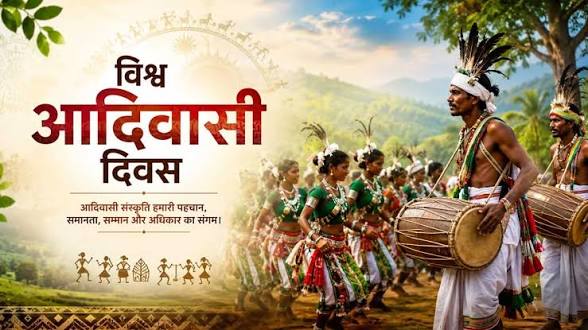
Faheem's latest outing came at the Himadari Ice Rink in Dehradun, an international-standard facility that hosted a national IcestockSport tournament featuring squads from Karnataka, Maharashtra, Chandigarh, Gujarat, Goa, Uttarakhand, Delhi and other states. Leading Jammu & Kashmir as captain, Faheem returned home with two gold medals, two silver medals and a bronze — a result that surprised no one who has followed his decade-long career on the ice.

Born in 1992 in Batamaloo, Srinagar, Faheem's introduction to competitive sport had nothing to do with ice. Football, cricket, rugby and athletics filled his childhood, sharpening the reflexes and competitive instinct that would later define his icestock game. It was during a snow rugby event in Gulmarg in 2014 that he first picked up an icestock — handed to him, almost by chance, by Manfred Schafer, then head of the International Federation of IcestockSport. His first throw hit the target. He has barely stopped since.

What followed was over a decade of steady, often unglamorous graft: training on poorly maintained ice, competing with borrowed gear, and traveling to international meets on shoestring budgets, all in a country where winter sports infrastructure remains thin, and in a region where it is thinner still.

The results, however, tell their own story. Faheem has represented India in more than 200 international matches and picked up medals across three continents. A career highlight came at the 2025 World Icestock Championship in Kapfenberg & Stanz, Austria, where he helped India to a team bronze medal and a fourth-place finish in Team Long Distance, lifting India to a Top-7 world ranking in the Team Game category — one of the strongest results posted by an Indian side at that level.

Away from the rink, Faheem has built an equally serious second career. He holds a degree in Computer Engineering and a master's degree in Artificial Intelligence and Data Science, has worked as a programmer and certified UX designer, and is an independent researcher with contributions to published research. Few of his rivals on the ice, in India or abroad, carry a resume quite like it.

Yet those who know him say it is his work off the rink that matters most to him. Through the Vaadi E Kashmir Foundation, Faheem is involved in youth development, digital literacy and community sports programmes across the Valley, and is a familiar sight coaching children on makeshift rinks after his own competitions wrap up. Kids in Gulmarg and Srinagar follow his results closely; for many, he has become proof that a path exists — even from a region with little winter sports tradition and even less support.

"We're not that far behind," Faheem has said of India's standing in the sport. "We just need people to believe in us."

With the Dehradun tournament now added to an already long list of national titles, Faheem's ambitions have not slowed. The European Championships are next on his calendar, with Olympic qualification the ultimate target — a goal he has framed not as a personal milestone, but as a message to "every kid who thinks they can't make it because they're from Kashmir."

Career Tournament Record

Year

Event

Level

Location

Result

2014

1st National Ice Stock Sport Championship

National

Gulmarg, Jammu & Kashmir, India

Gold, Gold

2015

2nd National Ice Stock Sport Championship

National

Gulmarg, Jammu & Kashmir, India

Gold, Silver

2016

3rd National Ice Stock Sport Championship

National

Gulmarg, Jammu & Kashmir, India

Gold, Silver, Silver

2017

4th National Ice Stock Sport Championship

National

Gulmarg, Jammu & Kashmir, India

Gold, Gold, Silver

2018

5th National Ice Stock Sport Championship

National

Gulmarg, Jammu & Kashmir, India

Gold, Silver

2018

12th Ice Stock Sport World Cup

World Championship

Austria

10th Place

2019

6th National Ice Stock Sport Championship

National

Gulmarg, Jammu & Kashmir, India

Gold, Gold, Silver, Silver, Bronze

2019

International Ice Stock Sport Cup

International

China

5th Place

2020

13th Ice Stock Sport World Championship

World Championship

Regen, Bavaria, Germany

7th Place

2021

7th National Ice Stock Sport Championship

National

Gulmarg, Jammu & Kashmir, India

Gold, Silver

2021

Summer National Ice Stock Sport Championship

National

SKISC, Srinagar, Jammu & Kashmir, India

Gold, Gold, Gold, Silver

2022

8th National Ice Stock Sport Championship

National

Jammu & Kashmir, India

Gold, Silver

2022

14th Ice Stock Sport World Championship

World Championship

Ritten, Italy

7th Place

2023

9th National Ice Stock Sport Championship

National

Gulmarg, Jammu & Kashmir, India

Gold, Gold, Gold, Silver, Bronze, Bronze

2023

3rd Khelo India National Winter Games

Gulmarg, Jammu & Kashmir, India

Gold, Silver, Silver, Bronze

2023

2nd Summer National Ice Stock Sport Championship

National

Pune, Maharashtra, India

Gold, Gold, Gold, Silver, Silver, Bronze, Bronze

2024

10th National Ice Stock Sport Championship

National

Gulmarg, Jammu & Kashmir, India

Gold, Gold, Gold, Silver, Silver

2024

3rd National Ice Stock Sport Summer Championship

National

Srinagar, Jammu & Kashmir, India

Silver, Silver

2025

11th National Ice Stock Sport Championship

National

Gulmarg, Jammu & Kashmir, India

Gold, Gold, Silver, Silver, Bronze

2025

15th Ice Stock Sport World Championship

World Championship

Kapfenberg & Stanz, Austria

Bronze

2025

National Summer Ice Stock Sport Tournament

National

Agra, Uttar Pradesh, India

Gold, Silver

2026

12th National Ice Stock Sport Championship

National

Gulmarg, Jammu & Kashmir, India

Gold, Gold, Silver, Silver

2026

National Ice Stock Sport Tournament

National

Himadari Ice Rink, Dehradun, Uttarakhand, India

Gold, Gold, Silver, Silver, Bronze

हर साल 9 अगस्त को क्यों मनाया जाता है विश्व आदिवासी दिवस ? जानिए रोचक इतिहास

#worldtribalsdaywhycelebrateon9thaugust

आज पूरी दुनिया में 'विश्व आदिवासी दिवस' मना रही है। आज ही के दिन यानी हर साल 9 अगस्त को झारखंड आदिवासी महोत्सव भी मनाया जाता है। मुख्यधारा से अलग रहने की वजह से आदिवासी समुदाय लंबे समय से आर्थिक और कई सामाजिक चुनौतियों का सामना कर रहे हैं। उनके इन्हीं अधिकारों के विकास और समृद्ध संस्कृति के संरक्षण के प्रति जागरूकता बढ़ाने के उद्देश्य से हर साल 9 अगस्त को विश्व आदिवासी दिवस मनाया जाता है। इस खास मौके पर झारखंड आदिवासी महोत्सव का आयोजन होता है।

कोलंबस दिवस से जुड़ा है आदिवासी दिवस

संयुक्त राष्ट्र महासभा ने पहली बार 1994 को अंतर्राष्ट्रीय आदिवासी वर्ष घोषित किया था। अमेरिका में 12 अक्‍टूबर को हर साल कोलंबस दिवस मनाया जाता है और वहां के आदिवासियों का मानना था कि कोलंबस उस उपनिवेशी शासन व्यवस्था का प्रतिनिधित्व करते हैं, जिसके लिए बड़े पैमाने पर जनसंहार हुआ था। इसके बाद फिर कोलंबस दिवस की जगह पर आदिवासी दिवस मनाने की मागं उठी। इसके लिए 1977 में जेनेवा में एक अंतर्राष्ट्रीय सम्मेलन का आयोजन किया गया और इस सम्‍मेलन में कोलंबस दिवस की जगह आदिवासी दिवस मनाने की मांग की गई।

विश्व आदिवासी दिवस मनाने की खास वजह

संयुक्त राष्ट्र ने 2019 में विश्व आदिवासी दिवस मनाने का एलान किया। आज आदिवासी समाज के लोगों को अपना अस्तित्व, संस्कृति और सम्मान बचाने के लिए संघर्ष करना पड़ रहा है। इसकी एक मुख्य वजह ये है कि ये लोग प्रकृति से समीप रहना ज्यादा पसंद करते हैं और जंगलों में रहते हैं जिसकी वजह से ये मुख्यधारा से कटे रहते हैं। आज जंगल घटते जा रहे हैं जिसकी वजह से इनकी संख्या भी कम होती जा रही है। आदिवासी समाज के लोगों का मुख्य आहार आज भी पेड़-पौधों से जुड़ा है, इनके धर्म-त्योहार भी प्रकृति से जुड़े हैं। दुनिया भर में 500 मिलियन के करीब आदिवासी रहते हैं और 7000 भाषाएं बोलते हैं, 5000 संस्कृतियों के साथ दुनिया के 22 प्रतिशत भूमि पर इनका कब्जा है। इनकी वजह से पर्यावरण संरक्षित है। साल 2016 में 2680 ट्राइबल भाषाएं विलुप्त होने की कगार पर थीं। इसीलिए संयुक्त राष्ट्र ने इन भाषाओं और इस समाज के लोगों को समझने और समझाने के लिए 2019 में विश्व आदिवासी दिवस मनाने का एलान किया।

विश्व आदिवासी दिवस मनाने का उद्देश्य

विश्व आदिवासी दिवस का उद्देश्य केवल आदिवासी समुदायों की संस्कृति का उत्सव मनाना ही नहीं है, बल्कि उनके उनके अधिकारों, सम्मान, शिक्षा, स्वास्थ्य, रोजगार और सामाजिक विकास और प्राकृतिक संसाधनों पर अधिकार से जुड़े जैसे मुद्दों पर समाज के साथ सरकार का ध्यान आकर्षित करना भी है। यह दिन हमें उनकी पहचान और विरासत को संरक्षित करने की याद दिलाता है कि विकास के साथ आदिवासी समाज की पहचान, परंपरा और प्रकृति से उनके संबंधों का संरक्षण भी उतना ही जरूरी है।

भारत में आदिवासी समुदायों की बड़ी आबादी

भारत में भी आदिवासी समुदायों की एक बड़ी आबादी। झारखंड, मध्य प्रदेश, छत्तीसगढ़, ओडिशा समेत कई राज्यों में अलग-अलग जनजातीय समुदाय के लोग रहते हैं। मध्‍य प्रदेश की बात कहें तो यहां 46 आदिवासी जनजातियां रहती हैं, जिसमें एमपी की कुल जनसंख्या के 21 फीसदी लोग आदिवासी समुदाय के हैं। वहीं झारखंड की कुल आबादी का करीब 28 फीसदी आदिवासी समाज के लोग हैं। झारखंड में संथाल, मुंडा, उरांव, हो, खड़िया, बिरहोर, पहाड़िया सहित कई जनजातियां हैं। जबकि मध्य प्रदेश में गोंड, भील, बैगा, सहरिया और कोरकू जैसे आदिवासी समुदाय बड़ी संख्या में रहते हैं। भारत के प्रमुख आदिवासी समुदायों में से एक गोंड है। गोंड एशिया का सबसे बड़ा आदिवासी समूह है, जिनकी संख्या 30 लाख से अधिक है। जो मध्य प्रदेश के अलावा महाराष्ट्र, छत्तीसगढ़, बिहार, तेलंगाना, आंध्र प्रदेश और उत्तर प्रदेश में रहते हैं। देश के अलग-अलग हिस्सों में संथाल, बंजारा, बिरहोर, चेरो, हो, खोंड, लोहरा, मुंडा, पहाड़िया और उरांव समेत कई अन्य जनजातीय समुदाय अपनी परंपराओं और सांस्कृतिक विरासत के साथ जीवन जी रहे हैं।

EzeeHoney Taps India's Growing On-the-Go Wellness Trend with Convenient Premium Honey Solutions

The trend of healthy lifestyles among consumers and the time constraints has led to an increasing need for convenient, healthful and clean labeled products. In response to this change, EzeeHoney has created a new convenient and portable way to enjoy one of nature's oldest superfoods by introducing its high quality single serve honey twigs with purity, portability and convenience.

Today's consumers are looking for foods that seamlessly fit into their daily routines without compromising on quality or nutrition. From commuting to work, travelling, working out, or working in the office, they want products that are convenient to take, sanitary, and ready to eat. EzeeHoney meets this growing demand by revolutionising the traditional honey jar into a convenient and mess free single serve portion, which can be consumed anywhere, anytime.

EzeeHoney's individually sealed honey twigs are a convenient solution for the busy, modern lifestyle and unlike traditional honey packaging, they do not require spoons or special storage. The portion controlled format allows you to reduce the risk of sticky messes, product wastage and a guarantee of freshness with each portion. Consumers can just pop open a twig and eat the pure honey or pour a bit into their tea, coffee or smoothies, or add the honey to their breakfast bowls, yogurt, cereals or all their regular dishes.

The company's spokesperson said that the idea behind EzeeHoney was to make natural honey easily available and convenient for the people of today. Our honey twigs offer high quality and unbeatable convenience, while retaining the natural goodness of the honey.

The brand caters to the consumers who are looking for authentic taste and innovative wellness products with a well-curated portfolio of products such as Himalayan Multi-Flora Honey, Lemon-Infused Honey, Lychee Blossom Honey, Vanilla-Infused Honey and functional Lakadong Turmeric Honey. Each variety is carefully developed to maintain the natural characteristics of the honey and provide unique taste and functionality.

Consumer trends show that there is an increasing demand for clean-label foods – those that contain easy-to-understand ingredients. The more people get to know about mindful eating, the more we see products that provide natural nutrition in convenient formats become a daily part of people's wellness regimes. With its versatility and natural sweetness, honey is making a comeback in the world of health-conscious consumers seeking alternatives to refined sugar.

EzeeHoney's innovative solution also resonates with the increased demand for packaging where control of servings is important for responsible consumption and to avoid further waste. Its compact design makes it ideal for professionals, students, fitness enthusiasts, travellers and families who want to get good nutrition without sacrificing convenience.

EzeeHoney not only brings a new packaging format, but also a new range of experience to the consumer culture of honey, by making it a practical everyday companion as opposed to an occasional beaker of pantry honey. Incorporating high-quality ingredients, user-friendly functionality, and contemporary amenities, the brand is developing a new category experience in keeping with today's consumers' expectations.

In a country where the wellness lifestyle and functional foods are gaining momentum, EzeeHoney is at the nexus of health, innovation and convenience, making pure honey consumption more convenient for customers than ever before.