/home/streetbuzz1/public_html/ajaydev/system/../storage/avatars/thumbs1/_noavatar_user.gif/home/streetbuzz1/public_html/ajaydev/system/../storage/avatars/thumbs4/_noavatar_user.gif/home/streetbuzz1/public_html/ajaydev/system/../storage/avatars/thumbs5/_noavatar_user.gif/home/streetbuzz1/public_html/ajaydev/system/../storage/avatars/thumbs1/_noavatar_user.gif/home/streetbuzz1/public_html/ajaydev/system/../storage/avatars/thumbs4/_noavatar_user.gif/home/streetbuzz1/public_html/ajaydev/system/../storage/avatars/thumbs5/_noavatar_user.gif/home/streetbuzz1/public_html/ajaydev/system/../storage/avatars/thumbs1/_noavatar_user.gif/home/streetbuzz1/public_html/ajaydev/system/../storage/avatars/thumbs4/_noavatar_user.gif/home/streetbuzz1/public_html/ajaydev/system/../storage/avatars/thumbs5/_noavatar_user.gif/home/streetbuzz1/public_html/ajaydev/system/../storage/avatars/thumbs1/_noavatar_user.gif/home/streetbuzz1/public_html/ajaydev/system/../storage/avatars/thumbs4/_noavatar_user.gif/home/streetbuzz1/public_html/ajaydev/system/../storage/avatars/thumbs5/_noavatar_user.gif/home/streetbuzz1/public_html/ajaydev/system/../storage/avatars/thumbs1/_noavatar_user.gif/home/streetbuzz1/public_html/ajaydev/system/../storage/avatars/thumbs4/_noavatar_user.gif/home/streetbuzz1/public_html/ajaydev/system/../storage/avatars/thumbs5/_noavatar_user.gif/home/streetbuzz1/public_html/ajaydev/system/../storage/avatars/thumbs1/_noavatar_user.gif/home/streetbuzz1/public_html/ajaydev/system/../storage/avatars/thumbs4/_noavatar_user.gif/home/streetbuzz1/public_html/ajaydev/system/../storage/avatars/thumbs5/_noavatar_user.gif/home/streetbuzz1/public_html/ajaydev/system/../storage/avatars/thumbs1/1757680261657299.png/home/streetbuzz1/public_html/ajaydev/system/../storage/avatars/thumbs4/1757680261657299.png/home/streetbuzz1/public_html/ajaydev/system/../storage/avatars/thumbs5/1757680261657299.png/home/streetbuzz1/public_html/ajaydev/system/../storage/avatars/thumbs1/_noavatar_user.gif/home/streetbuzz1/public_html/ajaydev/system/../storage/avatars/thumbs4/_noavatar_user.gif/home/streetbuzz1/public_html/ajaydev/system/../storage/avatars/thumbs5/_noavatar_user.gif/home/streetbuzz1/public_html/ajaydev/system/../storage/avatars/thumbs1/_noavatar_user.gif/home/streetbuzz1/public_html/ajaydev/system/../storage/avatars/thumbs4/_noavatar_user.gif/home/streetbuzz1/public_html/ajaydev/system/../storage/avatars/thumbs5/_noavatar_user.gif/home/streetbuzz1/public_html/ajaydev/system/../storage/avatars/thumbs1/_noavatar_user.gif/home/streetbuzz1/public_html/ajaydev/system/../storage/avatars/thumbs4/_noavatar_user.gif/home/streetbuzz1/public_html/ajaydev/system/../storage/avatars/thumbs5/_noavatar_user.gif StreetBuzz s:most
BUZZ. BELIEF. PERFORMANCE. DESI WARRIORZ INTO THE SEMIS!

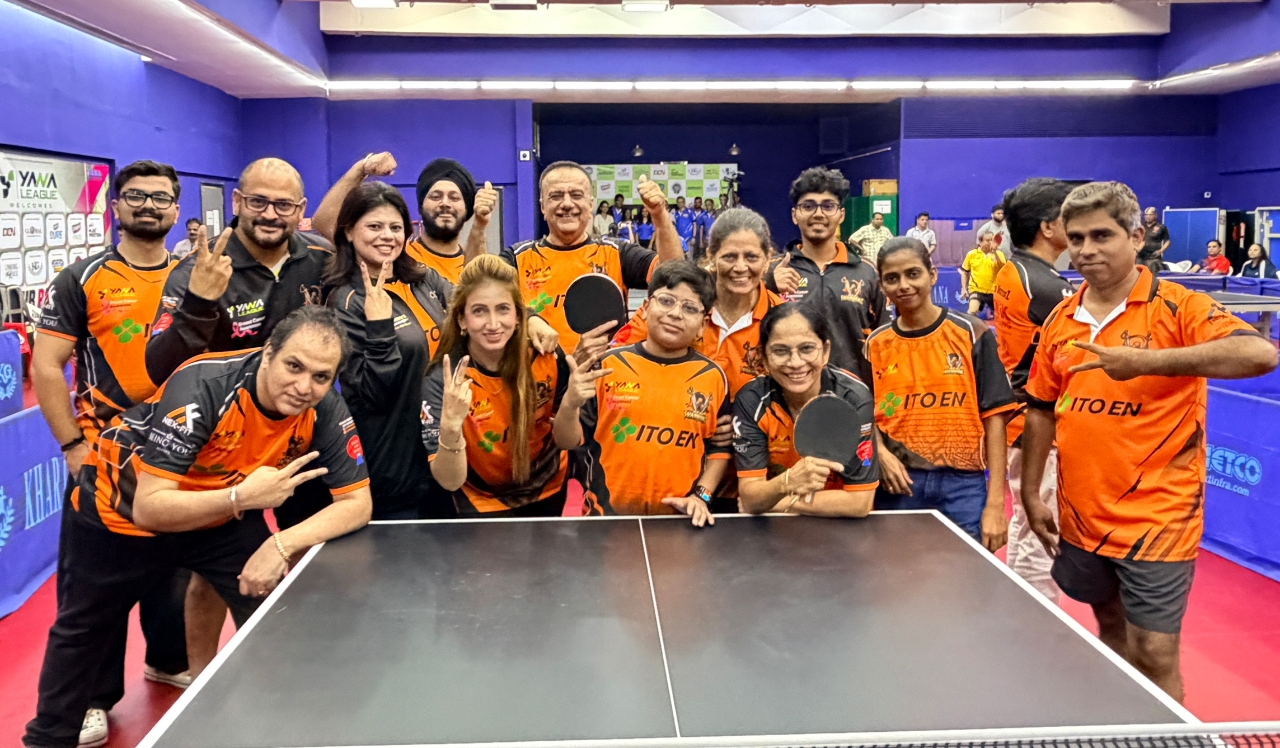
YANA League’s Most Popular Team Desi WarriorZ Storms Into Semi-Finals, Eyes Historic Championship

Mumbai, October 4: Desi WarriorZ, one of the most popular and talked-about teams of the YANA Table Tennis League, has stormed into the semi-finals, turning the tremendous buzz around the team into a powerful run on the table.

From making waves at the auction to emerging as one of the league’s biggest crowd-pullers, Desi WarriorZ has carried a distinct energy throughout the tournament. With a place in the final four, the team now finds itself within touching distance of the championship.

Owned by Rajveer Singh, with Anjuri Sinha as Partner, Desi WarriorZ has an unusual story behind its success. Neither comes from a table-tennis playing background, yet together they built a competitive squad and created a franchise identity that became hugely popular even before the first ball was played.

The credit on the table, however, belongs to the Desi WarriorZ players, who have delivered under pressure and carried the team into the semi-finals.

Founded by Krishna Kotian, the YANA Table Tennis League brings the sporting community together while supporting the important cause of Breast Cancer Awareness.

For Desi WarriorZ, what started at the auction table has now reached the final four.

The popularity created the buzz. The players delivered the performance. And now, Desi WarriorZ are in the semi-finals.

From Auction to the Final Four — Desi WarriorZ Are Coming for the Crown.

PGT-A Genetic Screening in Fertility Care

Genetic Screening (PGT-A) in Modern Fertility Care: Who Actually Needs It? 

When a woman begins fertility treatment, the number of decisions can feel overwhelming. Should you try medicines first? Is IUI enough? When is IVF the right step? And if IVF is advised, should you also test embryos through PGT-A? Many patients hear about genetic screening and assume it is something every IVF cycle should include. In reality, PGT-A can be helpful in selected situations, but it is not a universal requirement for every woman or couple trying to conceive.


At ARC Fertility Hospitals, conversations around PGT-A are usually guided by one central question: will this test meaningfully improve decision-making for this patient? That distinction matters. A test can be scientifically advanced, but it should still be used thoughtfully, with clear counselling about benefits, limitations, emotional impact, and cost.


What Is PGT-A?


PGT-A stands for Preimplantation Genetic Testing for Aneuploidy. It is a test performed during an IVF cycle to check whether embryos have the expected number of chromosomes. Human embryos should usually have 46 chromosomes. If an embryo has missing or extra chromosomes, it may fail to implant, lead to miscarriage, or result in certain chromosomal conditions.


In a typical IVF cycle with PGT-A, eggs are collected, fertilised in the laboratory, and embryos are grown for a few days until they reach the blastocyst stage. A few cells are then carefully biopsied from the outer layer of the embryo, which later forms the placenta. These cells are sent for genetic analysis while the embryo is usually frozen. Once results are available, doctors can prioritise embryos that are chromosomally suitable for transfer.


It is important to understand what PGT-A does not do. It does not guarantee pregnancy. It does not check every possible genetic disease. It is different from PGT-M, which is used when there is a known single-gene disorder in the family. PGT-A mainly helps with chromosomal screening and embryo selection.


Why Chromosomes Matter in IVF


Many women blame themselves when an IVF cycle fails or when a pregnancy ends early. But in a significant number of cases, the reason is biological rather than behavioural. Embryos with chromosomal imbalance often look normal under the microscope, yet may not have the ability to continue developing.


This is one reason PGT-A became part of modern fertility care. It offers extra information beyond embryo appearance. However, more information is not always equal to better outcomes for everyone. The usefulness of PGT-A depends strongly on age, fertility history, embryo number, previous miscarriages, and the reason IVF is being done.


Who May Actually Benefit from PGT-A?


Women of advanced reproductive age


As women age, especially after 35, the proportion of eggs and embryos with chromosomal abnormalities tends to increase. This does not mean pregnancy is impossible, but embryo selection becomes more complex. For women in their late thirties or forties, PGT-A may help identify embryos with a better chromosomal profile, potentially reducing the chance of transferring embryos unlikely to implant.


Couples with recurrent pregnancy loss


Repeated miscarriage can be emotionally exhausting. When miscarriages are suspected to be linked to chromosomal abnormalities, PGT-A may be considered as part of a broader evaluation. It should not replace other investigations, such as uterine assessment, hormonal review, clotting-related evaluation when indicated, or parental karyotyping in selected cases. But it may help reduce uncertainty around embryo chromosomal status.


Repeated IVF failure despite good-looking embryos


Some patients have transferred embryos that appeared strong in the laboratory but did not implant. In such cases, doctors look at multiple possibilities: embryo genetics, uterine receptivity, sperm quality, stimulation response, endometrial factors, and medical conditions. PGT-A may be discussed when embryo chromosomal status is a likely missing piece in the picture.


Patients with many embryos and a need to prioritise transfer


In some IVF cycles, patients may have several blastocysts. Choosing which embryo to transfer first can become important, especially when time, emotional energy, or previous failed transfers are concerns. PGT-A may help rank embryos for transfer, though it still cannot predict implantation with certainty.


Who May Not Need PGT-A?


PGT-A is not automatically needed for every young woman undergoing IVF. If a woman is younger, has a good prognosis, no miscarriage history, and only a small number of embryos, the benefit may be limited. In some cases, testing may add cost and waiting time without clearly improving the chance of having a baby.


It may also be less useful when there are very few embryos available. If only one embryo forms, some patients may prefer transfer after counselling rather than testing, especially because PGT-A cannot improve the embryo itself. It can only provide information about chromosomal status based on sampled cells.


This is where personalised fertility counselling matters. A woman should not feel pressured into PGT-A simply because it sounds advanced. The better question is: will the result change the treatment plan?


PGT-A, IUI, and IVF: Where Does It Fit?


PGT-A can only be done as part of IVF because embryos must be created in the laboratory before testing. It cannot be done with IUI. For women deciding between IUI and IVF, doctors first consider age, fallopian tube status, sperm parameters, ovulation, duration of infertility, and previous treatment history.


For example, a younger woman with open tubes, mild ovulation issues, and a short duration of infertility may not need IVF immediately. IUI may be reasonable. But a woman over 38 with a long infertility history, low ovarian reserve, or previous miscarriages may be counselled differently. If IVF is chosen, PGT-A may then enter the discussion depending on the full clinical picture.


Cost and Time Considerations


PGT-A adds cost to an IVF cycle because it involves embryo biopsy, freezing, laboratory genetic testing, and later frozen embryo transfer planning. It may also extend the timeline because embryos are usually not transferred immediately in the same cycle. For many women, this waiting period can feel emotionally heavy, especially after already going through injections, scans, egg retrieval, and fertilisation updates.


Cost should be discussed openly before starting treatment. A responsible fertility team will explain whether PGT-A is strongly recommended, optional, or unlikely to add much value in your case. Patients should feel comfortable asking: Why am I being advised this test? What will we do differently based on the result? What are the alternatives if we do not test?


What Are the Limitations of PGT-A?


PGT-A is a screening test, not a promise. Embryos reported as suitable still may not implant. Embryos can also show mosaic results, meaning tested cells may contain a mixture of normal and abnormal chromosomal patterns. Mosaic embryo decisions require careful counselling and should not be reduced to a simple yes or no.


There is also the reality that PGT-A tests a small sample of cells from the embryo’s outer layer. Although technology has improved, interpretation still needs expertise. This is why embryo testing should always be paired with genetic counselling and fertility specialist guidance, not treated as a standalone shortcut.


How ARC Fertility Hospitals Approach the Decision


At ARC Fertility Hospitals, PGT-A is considered within the broader fertility journey, not as an isolated add-on. Doctors assess age, ovarian reserve, semen analysis, previous pregnancy history, embryo development, ultrasound findings, and emotional readiness. For women comparing centres and trying to understand advanced IVF options, speaking with specialists at the Best IVF centre in Hyderabad can help clarify whether embryo genetic screening is relevant to their situation.


The goal is not to test more embryos for the sake of technology. The goal is to make embryo transfer decisions more informed when the clinical situation justifies it.


Questions to Ask Before Saying Yes to PGT-A


Before choosing PGT-A, ask your fertility doctor a few practical questions. Is my age or fertility history a strong reason for testing? How many embryos are likely to reach the blastocyst stage? Will testing change which embryo is transferred first? What happens if all embryos are abnormal or mosaic? What are the costs, timelines, and emotional implications?


These questions are not signs of doubt. They are signs of informed participation. Fertility treatment often feels like handing your future to medical science, but good care should bring you into the decision-making process with clarity and respect.


The Bottom Line


PGT-A is a valuable tool in modern IVF, especially for women of advanced reproductive age, those with recurrent miscarriages, repeated IVF failure, or multiple embryos where selection is difficult. But it is not necessary for everyone. The right use of PGT-A depends on whether it can answer a meaningful clinical question in your treatment plan.


If you are considering IVF and feel confused about embryo testing, the most helpful next step is a personalised fertility evaluation. With the right explanation, PGT-A becomes less frightening and less mysterious. It becomes what it should be: one possible tool, used carefully, to support better fertility decisions.




Trailer Driving School in Kerala: Master the Reverse That Fails Most Candidates, on A2Z's Own Trailers

A2Z International Heavy Equipment Institute, training drivers and operators in Kerala since 1978, runs normal and container trailer courses on its own vehicles and practice ground, with 19 branches and a main campus at Willingdon Island, Kochi.A2Z International Heavy Equipment Institute runs two trailer courses, one for normal trailers and one for container trailers, aimed at drivers who want work at ports, with logistics companies and in heavy haulage in India and the Gulf. The institute says most candidates underestimate the same two things: the order in which the licences have to be earned, and reversing an articulated vehicle.

The licence is a ladder

A trailer licence is not a standalone licence. It is an endorsement added to an existing heavy vehicle licence, and it sits at the top of a sequence. A driver starts with an LMV licence, adds a transport or commercial endorsement, moves up to a heavy goods vehicle licence (HMV or HTV), and only then qualifies for the trailer endorsement that covers articulated and multi-axle vehicles. Each step generally requires holding the previous one for a qualifying period set by the RTO. Commercial driving in Kerala also needs a separate driver's badge.

"Half the people who call us have planned around a timeline they read online, and then find their licence dates don't qualify them yet," said Aravind, Executive Director of A2Z International Heavy Equipment Institute. "The first thing any trailer driving school in Kerala should do is look at what you hold and when you got it. Then we can tell you your real route, and it saves people months."

What the practical test asks for

The trailer practical tests five things: a pre-trip inspection including the coupling, coupling and uncoupling, controlled manoeuvring and turning with the articulation, reversing, and safe road handling under load. Reversing is where most candidates fail. In reverse, an articulated trailer swings the opposite way to the steering input.

"People expect the highway to be the hard part," Aravind said. "Then you ask a man to reverse a trailer into a bay, and for the first week he turns the wheel the wrong way every time. You can't learn that from a video. You need hours on a real trailer with an instructor next to you telling you what your hands are doing."

Two courses on one owned fleet

A2Z trains on trailers it owns, on a dedicated practice ground, instead of booking time on hired vehicles. Students can choose normal trailer training or container trailer training. Both follow a seven-stage curriculum: vehicle parts, controls and pre-trip checks; coupling and uncoupling; reversing, turning and manoeuvring; container handling and load securing; highway driving, gradients and braking; daily checks and basic maintenance; and licence and assessment preparation.

Graduates receive ISO and Operator Card certification along with guidance on heavy transport licensing. The main campus at Willingdon Island has a hostel for students who travel in.

A trailer driving school in Kerala with its own vehicles can give students more practice. On a hired trailer, time runs out when the booking ends. On an owned one, students keep practising until the reverse is under control.

An institute of firsts since 1978

A2Z opened in 1978. It is the only JCB-authorised operator training institute in Kerala and the state's only fixed tower crane training institute, and it was the first in Kerala to offer imported Zoomlion crane operator training. It owns every machine and vehicle it trains on and works with more than 527 placement partner companies.

Where trailer drivers work

The institute describes trailer driving as one of the better-paying commercial driving categories. Demand comes from Kerala's ports, from logistics corridors across India, and from heavy haulage in the Gulf. Graduates train for roles as trailer drivers, container and port trailer drivers, transport and logistics drivers, and heavy vehicle drivers in India and the Gulf.

Gulf haulage employers usually require a practical trade test. A2Z runs that test at its own Heavy Equipment International Trade Test Centre at Willingdon Island, following the skill verification requirements of GCC countries including Saudi Arabia, the UAE, Qatar and Kuwait. Candidates train and test on the same trailers.

A2Z provides training, assessment and placement assistance. It does not recruit for overseas jobs and refers candidates who want to work abroad to licensed recruiting agents.

Who can join

Entry depends on the licence ladder rather than on education. The minimum age follows RTO norms for heavy vehicles, which is higher than the age for a car licence. Candidates need basic physical fitness and government photo ID and proof of address, and an existing light vehicle licence helps.

Anyone comparing a trailer driving school in Kerala can ask three things: whether the school owns its trailers, whether it offers container trailer training as well as normal trailer training, and whether it can run the trade test that Gulf employers ask for.

Course details and eligibility for A2Z's trailer driving school in Kerala are at https://a2zinstitute.in/courses/trailer-operator-training/

For fees, batch dates and the nearest of the 19 branches, send the admissions team details of the licence you hold by phone or WhatsApp.


About A2Z International Heavy Equipment Institute

Founded in 1978, A2Z International Heavy Equipment Institute is an ISO 9001:2015 certified heavy equipment and heavy driving training institute in Kerala, India. It is the only JCB-authorised operator training institute in Kerala and the state's only fixed tower crane training institute, and it was the first in Kerala to offer imported Zoomlion crane operator training. The institute owns all of its training machines. It runs a Heavy Equipment International Trade Test Centre at Willingdon Island, Kochi, and works with more than 527 placement partner companies. Website: https://a2zinstitute.in

Media Contact

A2Z International Heavy Equipment Institute

Willingdon Island, Kochi, Kerala, India

Admissions: +91 85900 85591

Web: https://a2zinstitute.in

Trailer Driving School in Kerala: Master the Reverse That Fails Most Candidates, on A2Z's Own Trailers

A2Z International Heavy Equipment Institute, training drivers and operators in Kerala since 1978, runs normal and container trailer courses on its own vehicles and practice ground, with 19 branches and a main campus at Willingdon Island, Kochi.A2Z International Heavy Equipment Institute runs two trailer courses, one for normal trailers and one for container trailers, aimed at drivers who want work at ports, with logistics companies and in heavy haulage in India and the Gulf. The institute says most candidates underestimate the same two things: the order in which the licences have to be earned, and reversing an articulated vehicle.

The licence is a ladder

A trailer licence is not a standalone licence. It is an endorsement added to an existing heavy vehicle licence, and it sits at the top of a sequence. A driver starts with an LMV licence, adds a transport or commercial endorsement, moves up to a heavy goods vehicle licence (HMV or HTV), and only then qualifies for the trailer endorsement that covers articulated and multi-axle vehicles. Each step generally requires holding the previous one for a qualifying period set by the RTO. Commercial driving in Kerala also needs a separate driver's badge.

"Half the people who call us have planned around a timeline they read online, and then find their licence dates don't qualify them yet," said Aravind, Executive Director of A2Z International Heavy Equipment Institute. "The first thing any trailer driving school in Kerala should do is look at what you hold and when you got it. Then we can tell you your real route, and it saves people months."

What the practical test asks for

The trailer practical tests five things: a pre-trip inspection including the coupling, coupling and uncoupling, controlled manoeuvring and turning with the articulation, reversing, and safe road handling under load. Reversing is where most candidates fail. In reverse, an articulated trailer swings the opposite way to the steering input.

"People expect the highway to be the hard part," Aravind said. "Then you ask a man to reverse a trailer into a bay, and for the first week he turns the wheel the wrong way every time. You can't learn that from a video. You need hours on a real trailer with an instructor next to you telling you what your hands are doing."

Two courses on one owned fleet

A2Z trains on trailers it owns, on a dedicated practice ground, instead of booking time on hired vehicles. Students can choose normal trailer training or container trailer training. Both follow a seven-stage curriculum: vehicle parts, controls and pre-trip checks; coupling and uncoupling; reversing, turning and manoeuvring; container handling and load securing; highway driving, gradients and braking; daily checks and basic maintenance; and licence and assessment preparation.

Graduates receive ISO and Operator Card certification along with guidance on heavy transport licensing. The main campus at Willingdon Island has a hostel for students who travel in.

A trailer driving school in Kerala with its own vehicles can give students more practice. On a hired trailer, time runs out when the booking ends. On an owned one, students keep practising until the reverse is under control.

An institute of firsts since 1978

A2Z opened in 1978. It is the only JCB-authorised operator training institute in Kerala and the state's only fixed tower crane training institute, and it was the first in Kerala to offer imported Zoomlion crane operator training. It owns every machine and vehicle it trains on and works with more than 527 placement partner companies.

Where trailer drivers work

The institute describes trailer driving as one of the better-paying commercial driving categories. Demand comes from Kerala's ports, from logistics corridors across India, and from heavy haulage in the Gulf. Graduates train for roles as trailer drivers, container and port trailer drivers, transport and logistics drivers, and heavy vehicle drivers in India and the Gulf.

Gulf haulage employers usually require a practical trade test. A2Z runs that test at its own Heavy Equipment International Trade Test Centre at Willingdon Island, following the skill verification requirements of GCC countries including Saudi Arabia, the UAE, Qatar and Kuwait. Candidates train and test on the same trailers.

A2Z provides training, assessment and placement assistance. It does not recruit for overseas jobs and refers candidates who want to work abroad to licensed recruiting agents.

Who can join

Entry depends on the licence ladder rather than on education. The minimum age follows RTO norms for heavy vehicles, which is higher than the age for a car licence. Candidates need basic physical fitness and government photo ID and proof of address, and an existing light vehicle licence helps.

Anyone comparing a trailer driving school in Kerala can ask three things: whether the school owns its trailers, whether it offers container trailer training as well as normal trailer training, and whether it can run the trade test that Gulf employers ask for.

Course details and eligibility for A2Z's trailer driving school in Kerala are at https://a2zinstitute.in/courses/trailer-operator-training/

For fees, batch dates and the nearest of the 19 branches, send the admissions team details of the licence you hold by phone or WhatsApp.


About A2Z International Heavy Equipment Institute

Founded in 1978, A2Z International Heavy Equipment Institute is an ISO 9001:2015 certified heavy equipment and heavy driving training institute in Kerala, India. It is the only JCB-authorised operator training institute in Kerala and the state's only fixed tower crane training institute, and it was the first in Kerala to offer imported Zoomlion crane operator training. The institute owns all of its training machines. It runs a Heavy Equipment International Trade Test Centre at Willingdon Island, Kochi, and works with more than 527 placement partner companies. Website: https://a2zinstitute.in

Media Contact

A2Z International Heavy Equipment Institute

Willingdon Island, Kochi, Kerala, India

Admissions: +91 85900 85591

Web: https://a2zinstitute.in

Who Really Makes Money in India’s F&O Market?

Smart Money Club Is Asking the Harder Question

For years, the main F&O headline has been simple: more than 90% of retail traders lose money every year. SEBI’s FY25 study says around 91% of individual traders lost. But that is only one side of the story. The harder question is who is making the money.

SEBI’s FY24 data answers it. Individual traders lost about ₹41,500 crore in gross F&O P&L, while proprietary desks and FPIs together made around ₹61,000 crore, and 96% of proprietary-trader profits and 97% of FPI profits came from algo-driven entities. That is who retail traders were competing against. Even individuals who used algos did not escape: as a group, they still lost around ₹13,900 crore on the same basis.

Put together, F&O looks less like a fair game for retail and more like a transfer: individual traders keep entering and mostly keep losing, while the profits keep showing up with professional desks and algo-driven players. That does not mean F&O was created to take money from retail traders. But the money has been moving in one direction for years: away from individuals and towards professional desks.

This is one of the reasons Pranjal Rastogi and CA Harshitha Iyer took Smart Money Club in a different direction. The Surat-based SEBI-registered firm focuses on equity swing and positional trading and has deliberately stayed away from teaching F&O and intraday trading despite steady demand for both.

Their concern was where a beginner starts. If almost all the profits on the professional side come from algos, why are beginners still pushed towards F&O as their first way to earn trading?

For a lot of people entering the market today, F&O is where trading begins rather than where it arrives after years of experience. Options look easy to access, the capital required can look small, and social media is full of gurus promising quick money. Someone who has barely studied a stock can open an account and start trading options almost immediately.

What makes this worse is how F&O is sold to beginners. For an education business, it is the easier product to market: more trades, more screenshots, more action and a simpler promise of quick money. And when people lose, the blame usually comes back to them. If you end up on the losing side, which SEBI’s data says happens to roughly nine out of ten individual traders, the explanation is often that you lacked “discipline” or could not “control your emotions”. Far less attention goes to the fact that you were sent into a market where the other side is often running far more sophisticated systems.

Rastogi and Iyer had already seen how this content cycle works while building Captum, the financial-markets channel that crossed 100,000 subscribers before Smart Money Club took shape. The content that travelled fastest was usually built around a strong hook, a quick takeaway of something that kept people watching till the end. It worked for reach. Teaching someone to trade needed something different, and that shaped what Smart Money Club would focus on.

Smart Money Club was built around swing and positional trading from the start, for people with jobs, businesses and full-time careers: people who could not make the market the centre of their day. For that audience, intraday trading and F&O made little sense. Both require much closer tracking of the market and, with leverage and expiry involved, mistakes get expensive quickly. Swing and positional trading fit better. Trades play out over days or weeks, which gives the trader time to study the overall market, choose the sector and stock, plan the entry and risk, and then manage the position without sitting in front of the screen all day.

That choice set the order of the entire SMC process: market first, then sectors, stock selection, setups, entries, risk and trade management. The same sequence runs through its weekly Live Inner Circle sessions, recorded course videos and its in-house platform, ProScreener.

The firm has worked with more than 16,000 people through its workshops and programmes, most of them working professionals and business owners. For them, a trading style that needs constant decisions through the day would not fit real life. Smart Money Club chose to build around real reality instead of around what was easiest to sell.

Swing trading does not remove risk, and SMC does not present it as an easier route to profits. Stocks can fall, setups fail and traders still make mistakes. The difference is the type of game being played. There is no weekly expiry forcing a position to resolve within a few hours or days. A trader can take time finding the right stock, define the risk before entering and stay out when the market is not offering a trade that fits.

India has made trading easy to access, and that is a good thing. But easy access to a sophisticated product does not make the product simple. If SEBI’s numbers show retail traders losing while professional and algo-driven players take home most of the profits, trading education may need to reconsider where the first lesson begins.

Smart Money Club’s answer is straightforward: a retail trader does not need to become a weaker version of a professional trading desk. They need a style of trading that fits the life they have.

CA Harshitha Iyer and Pranjal Rastogi are co-founders of Smart Money Club. Wealth Vidhya is a SEBI Registered Research Analyst (INH000028352). Views are personal. Investments in the securities market are subject to market risks. Read all related documents carefully before investing.

Beyond Care: Building India's Longevity Economy By Alok Bhatnagar Founder & CEO, KinKeeper

India stands at the threshold of a demographic transformation that will redefine its economic and social future. For decades, our growth story has been powered by the demographic dividend of a young population. That advantage fuelled entrepreneurship, investment, and innovation. Today, however, a new opportunity is emerging—one that demands an equally ambitious vision.

The future of India's prosperity will not be shaped by youth alone. It will also depend on how successfully we enable millions of older Indians to live healthier, longer, more productive, and financially secure lives.

This is the foundation of the Longevity Economy.

Unlike the traditional view of ageing as a period of dependency, the longevity economy recognises longer lives as an economic asset. It encompasses the products, services, technologies, policies, and infrastructure that enable people to remain healthy, independent, socially connected, and economically active throughout later life. It is about moving beyond care to build an ecosystem that empowers people to age with dignity, purpose, and opportunity.

The scale of this opportunity is significant. According to the UNFPA India Ageing Report 2023, India had approximately 149 million people aged 60 years and above in 2022. By 2050, that number is projected to reach 347 million, representing 20.8% of the population. The population aged 80 years and above is expected to grow by around 279% during the same period. These figures represent one of the most profound demographic shifts in India's history.

The challenge, however, is not simply that people are living longer. It is ensuring they live better. Extending healthspan—the years spent in good physical, mental, and social health—is as important as extending lifespan. Healthier ageing reduces pressure on healthcare systems while enabling people to remain active, independent, and engaged for longer.

This transformation extends far beyond healthcare. It creates opportunities across preventive healthcare, digital health, AgeTech, insurance, retirement planning, accessible housing, mobility, wellness, nutrition, lifelong learning, travel, home modifications, and community-based services. Advances in artificial intelligence, wearable devices, remote monitoring, and assistive technologies are also reshaping how people age safely and independently.

A growing number of senior citizens today possess accumulated savings, home ownership, professional expertise, and decades of experience. They are not merely recipients of care—they are consumers, mentors, entrepreneurs, investors, volunteers, and active contributors to society. Businesses that understand their evolving aspirations will be better positioned to serve one of India's fastest-growing consumer segments.

Recognising this opportunity, NITI Aayog has highlighted the rapid emergence of India's silver economy and the opportunities it presents across healthcare, financial services, housing, technology, wellness, and home-based care. The report also notes that healthcare accounts for nearly 31% of senior citizens' expenditure, underscoring the growing demand for preventive healthcare, rehabilitation, home healthcare, and technology-enabled services.

The longevity economy is also poised to become a major employment generator. As India's population ages, demand will grow for caregivers, geriatric specialists, nurses, physiotherapists, rehabilitation professionals, psychologists, nutritionists, accessibility consultants, financial advisers, and AgeTech innovators. Building this ecosystem can create millions of skilled jobs while improving quality of life and reducing pressure on families.

The Economic Survey 2023–24 introduces the concept of the Silver Dividend, noting that enabling people aged 60–69 to remain economically active could increase GDP across Asian economies by an average of 1.5%. It recommends greater investment in lifelong learning, care infrastructure, workforce development, and age-friendly employment, recognising healthy ageing as both a social and economic priority.

Around the world, countries are already adapting to longer lives. Japan has pioneered AgeTech and robotics for independent living. Germany has strengthened long-term care systems, while Singapore has invested in age-friendly communities and ageing-in-place programmes. Their experience demonstrates that demographic change can become a catalyst for innovation when supported by forward-looking policy and private-sector investment.

India must now develop its own model. Urbanisation, migration, smaller families, and longer life expectancy have changed traditional caregiving patterns. Millions of older parents now live independently while their children pursue careers elsewhere. Meeting their evolving needs will require an integrated ecosystem that combines family support, technology, professional services, and community engagement.

The Government of India has taken encouraging steps through initiatives such as the Senior Ageing Growth Engine (SAGE), which supports startups developing solutions for older adults, alongside programmes that encourage healthy ageing and continued participation in society. Together, these initiatives signal an important shift—from treating ageing primarily as a welfare concern to recognising it as a driver of innovation and economic opportunity.

Yet government action alone will not be enough. Building a longevity economy requires collaboration between policymakers, entrepreneurs, healthcare providers, investors, insurers, technology companies, financial institutions, urban planners, academia, and civil society. Age-friendly infrastructure, preventive healthcare, digital inclusion, lifelong learning, and community-based support must become central to India's development agenda.

As India progresses towards Viksit Bharat 2047, success will not be measured solely by economic growth. It will also be measured by how effectively we enable people of every generation to live healthier, safer, more independent, and financially secure lives.

The question is no longer whether India will become an ageing society—it already is. The real challenge is whether we are prepared to transform longevity into a national advantage.

Building the longevity economy is not simply about caring for older citizens. It is about creating a future where longer lives fuel innovation, strengthen industries, generate employment, and enhance social well-being. India has the scale, entrepreneurial talent, and policy momentum to lead this transformation. If we act with vision today, longevity will become not a demographic challenge, but one of India's greatest economic opportunities.

HMPV Respiratory Infection: Symptoms, Causes, Prevention & Care | Homeo Doctor in Hyderabad

Explore HMPV symptoms, causes, transmission, prevention and supportive care. Consult a homeo doctor in Hyderabad for personalized health guidance.

Introduction

A respiratory infection can affect breathing, sleep, energy, and everyday activities. One virus associated with respiratory illness is human metapneumovirus, commonly referred to as HMPV. It can cause symptoms ranging from a mild cold to more noticeable respiratory discomfort.

HMPV can occur in both children and adults. Most infections may be manageable with supportive care, but some people have a higher risk of developing complications. Young children, older adults, and individuals with weakened immunity or certain underlying conditions may require closer observation.

If you are searching for a homeo doctor in Hyderabad, understanding HMPV and knowing when professional medical attention is needed can help you approach respiratory symptoms responsibly.

HMPV at a Glance

Human metapneumovirus is a respiratory virus that can infect the upper and lower airways. It may cause inflammation and irritation in the respiratory tract, resulting in symptoms such as coughing, nasal congestion, fever, or sore throat.

The infection does not look exactly the same in everyone. Some people may experience mild symptoms, while others may develop wheezing or breathing difficulties. Since several respiratory infections can produce similar symptoms, professional assessment can be useful when the illness is persistent or severe.

Main Symptoms of HMPV

The symptoms associated with HMPV can vary based on the person's age and general health. Common symptoms include:

  • Cough
  • Fever
  • Runny nose
  • Nasal congestion
  • Sore throat
  • Headache
  • Fatigue
  • Wheezing
  • Shortness of breath
  • Reduced appetite

Symptoms may appear gradually and can change over the course of the infection. It is important to monitor whether symptoms are improving or becoming more severe.

Serious breathing difficulty, chest pain, bluish lips or face, confusion, severe dehydration, or rapidly worsening symptoms should receive immediate medical attention.

How Does HMPV Spread?

HMPV primarily spreads through respiratory secretions. An infected person can release virus-containing droplets while coughing or sneezing. Close contact with an infected individual can therefore increase exposure.

The virus may also spread through contaminated surfaces when someone touches them and then touches their eyes, nose, or mouth.

Basic preventive habits can help reduce transmission. Frequent handwashing, covering coughs and sneezes, avoiding unnecessary close contact during illness, and maintaining good indoor ventilation are useful measures.

Who Should Be More Cautious?

Although HMPV can infect anyone, certain people may be more vulnerable to serious respiratory illness. Young children, older adults, and individuals with weakened immune systems may require additional attention.

People with certain underlying health conditions should also monitor respiratory symptoms carefully. If symptoms worsen or interfere with breathing, professional evaluation should not be delayed.

Diagnosis and Assessment

HMPV can be difficult to distinguish from other respiratory infections based only on symptoms. Conditions such as influenza, COVID-19, and other viral infections may cause similar complaints.

A healthcare professional may consider the person's symptoms, medical history, physical examination, and overall condition. Diagnostic testing may be recommended when appropriate.

Prompt assessment is particularly important when symptoms persist or become increasingly severe.

Homeopathy Treatment and Supportive Care

Homeopathy emphasizes individualized care based on a person's symptoms, health history, lifestyle, and overall wellbeing. A homeo doctor in Hyderabad may conduct a detailed consultation to understand the individual's concerns and provide personalized supportive guidance.

During recovery, general wellness measures such as adequate rest, sufficient fluid intake, balanced nutrition, and proper sleep can help support overall wellbeing. Avoiding smoke, dust, and other respiratory irritants may also help maintain a comfortable environment.

Homeopathic consultation should not be considered a replacement for necessary medical diagnosis or emergency care. If serious respiratory symptoms develop, appropriate medical attention should be obtained promptly.

Protecting Yourself and Others

Preventing the spread of HMPV involves consistent hygiene. Wash your hands regularly, especially after being in crowded or shared spaces. Avoid touching your eyes, nose, and mouth with unwashed hands.

If you have respiratory symptoms, cover your mouth and nose when coughing or sneezing and limit close contact with others where possible. Improving ventilation and cleaning frequently touched surfaces can also support respiratory hygiene.

Adequate sleep, hydration, nutritious food, and a balanced daily routine are useful for maintaining general health.

Spiritual Homeopathy for Personalized Guidance

Spiritual Homeopathy focuses on individualized consultations that consider symptoms, health history, lifestyle, and overall wellbeing. Rather than approaching every person in the same way, the consultation aims to understand the individual's specific concerns and provide suitable supportive guidance.

For those looking for a homeo doctor in Hyderabad, Spiritual Homeopathy offers personalized consultations for people seeking professional guidance regarding their health and wellness concerns.

Conclusion

HMPV is a respiratory viral infection that can cause symptoms including cough, fever, runny nose, nasal congestion, sore throat, fatigue, wheezing, and shortness of breath. The severity can vary between individuals, and some groups may have a higher risk of complications.

Good hygiene, adequate rest, hydration, healthy lifestyle practices, and appropriate symptom monitoring can support responsible respiratory care. When symptoms become severe or worsen rapidly, timely medical evaluation is essential.

If you are searching for a homeo doctor in Hyderabad, Spiritual Homeopathy provides individualized consultations focused on understanding your symptoms and overall health needs.

For appointments and consultations, call 9069176176.

#spiritualhomeo  #bestdoctors  #HMPV

WallX by Avinya Bharat Launches Premium LED Video Wall Brand on India's 80th Independence Day

Pune, Maharashtra, August 2026, Avinya Bharat Pvt Ltd has launched WallX, its new premium LED video wall brand, choosing August 15, 2026, India's 80th Independence Day, as the date to introduce it. The launch reflects the company's intent to build a trusted Indian name in high-performance, professionally engineered LED display technology.With WallX, Avinya Bharat is stepping into the premium tier of India's fast-growing LED video wall and professional display market. The brand's focus sits squarely on engineering quality, long-term reliability, and the kind of after-sale support that keeps a display running for years, not just months.

A Different Starting Point for LED Displays

Most LED video wall purchases in India are still decided on price alone. WallX was built around a different question: what does a display actually cost once you account for the years it has to keep working?

That question shapes how the brand evaluates every product it puts to market. Component quality, thermal management, electrical protection, power efficiency, and spare-part availability all factor into WallX's approach, alongside how easily a unit can be serviced once it's installed. Avinya Bharat wants customers to weigh an LED video wall as a complete engineered system, not a line item on a quotation.

That distinction matters most in settings where a screen going dark has real consequences, control rooms, retail storefronts, hospitality venues, and corporate environments where downtime affects operations or brand visibility.

Backing the Brand With a 3-Year Warranty

WallX is launching with a premium 3-year warranty across its product range, one of the more significant commitments the brand is making out of the gate. It's a direct statement of confidence in the engineering behind the displays, and it gives customers planning larger installations, the kind expected to run continuously for years, a clearer sense of what they're buying into.

For a new brand entering a crowded market, a warranty like this does double duty: it protects the customer and it sets a bar Avinya Bharat is committing to meet.

Engineering Comes First

WallX's product development is built around solutions for varied indoor and outdoor environments rather than a one-size-fits-all screen. The company draws on Avinya Bharat's existing experience in LED display manufacturing, project execution, and technical support to inform how each configuration is built.

Before recommending a setup, the WallX team looks at viewing distance, pixel pitch, screen dimensions, the installation environment, power requirements, thermal conditions, and how accessible the unit will be for future servicing. It's a more deliberate process than treating every deal as a standard screen sale, and one aimed at avoiding the kind of mismatched installations that create problems down the line.

Thinking in Lifecycle Terms, Not Purchase Price

For premium buyers, the sticker price is just the entry point. Electricity use, maintenance needs, spare parts, and potential downtime all add up over the life of an installation, and WallX is positioning its products around that fuller picture rather than the number on day one.

It's a straightforward philosophy, even if it runs against how most buyers are used to shopping for displays: what will this wall cost to run and maintain, not just what will it cost to buy. That framing is likely to resonate with businesses and institutions that need consistent performance and real service support behind their LED video wall investment.

Building From Pune, Aiming Nationwide

Launching WallX on Independence Day wasn't incidental, it reflects Avinya Bharat's ambition to build a genuinely Indian premium display brand from its base in Pune, Maharashtra. From there, the company plans to expand WallX's reach across India, serving corporate, commercial, institutional, retail, and mission-critical customers who need professional LED display solutions they can rely on.

Avinya Bharat views the WallX launch as more than a product introduction, it's the start of a brand built around raising the standard for quality, reliability, and customer confidence in India's LED display industry. The company's position is that the market's future won't be won on the lowest quote, but on the combination of performance, reliability, service, and total lifecycle value.

For more information visit wallxdisplay.com


Sanatan Dharma: The New Indian Brand Creating a Buzz Around Everyday Tradition

What happens when a young entrepreneur looks at something that has existed in Indian homes for centuries and decides to build a modern brand around it?The answer is Sanatan Dharma™—an emerging Indian consumer brand founded by Shivek Tyagi, which is now stepping into the rapidly evolving market for puja essentials and devotional products.

At a time when India's young entrepreneurs are increasingly building brands around traditional Indian products, Sanatan Dharma is attempting something particularly interesting: taking products that families have used for generations and presenting them to a new generation of consumers through modern branding, packaging and digital commerce.

And the idea is beginning to create attention.

From an Everyday Need to a Brand Opportunity

For generations, products such as camphor, cotton wicks, kumkum, kalawa, sindoor and other puja essentials have been purchased almost automatically from neighbourhood stores.

There was rarely a brand conversation around them.

Shivek Tyagi saw an opportunity in exactly that gap.

The thinking was simple: if consumers expect quality, consistency and trust from almost every other category they purchase, why should the products used in their most personal and meaningful rituals be any different?

That thought became the foundation for Sanatan Dharma.

Today, the brand is developing a growing portfolio of puja essentials, devotional products and curated puja kits, with an approach that combines traditional relevance with modern consumer expectations.

Why Is Sanatan Dharma Getting Attention?

Part of the answer lies in timing.

India's relationship with tradition is changing—not disappearing.

Young Indians are increasingly comfortable with digital commerce, modern packaging and online shopping, while at the same time remaining closely connected to festivals, family rituals and cultural practices.

This creates a fascinating opportunity.

A consumer can order groceries online, discover a new brand through social media and still sit with their family for Diwali puja in the evening.

Sanatan Dharma is positioning itself right in the middle of this changing behaviour.

Its proposition is not to change the rituals people follow.

It is to modernise the way the products behind those rituals are discovered and purchased.

From Camphor to Curated Puja Kits

The brand's portfolio includes everyday essentials such as camphor, Bhimseni camphor, cotton wicks, ghee cotton wicks, kumkum, kalawa, sindoor and Ashtagandh, along with curated kits designed around specific pujas and occasions.

The idea of curated kits is particularly relevant to today's consumer.

Instead of searching for every individual item required for a particular ritual, consumers can find products brought together for specific occasions.

It is a simple example of how traditional shopping behaviour can be made more convenient without changing the tradition itself.

The Shivek Tyagi Story

At the centre of this emerging brand is Shivek Tyagi, a young entrepreneur looking at an established category through a different lens.

Rather than entering an already crowded mainstream consumer category, Tyagi chose to build around a segment that is deeply connected to Indian households but has historically had relatively limited organised branding.

That decision reflects a broader entrepreneurial trend in India: finding opportunities not only in new technology or entirely new products, but also in categories that have existed for decades and are ready for a fresh approach.

Sanatan Dharma is still a young brand, but its ambition is considerably larger than its current footprint.

The objective is to build recognition, earn consumer trust and eventually create a household name in the puja and devotional products category.

The “New-Age” Puja Brand

Walk through a modern Indian home and you will see something interesting.

Tradition and technology now exist side by side.

A family may perform the same puja their grandparents performed, but the products for that puja can now be discovered through a smartphone.

That is the market Sanatan Dharma is entering.

The brand's identity combines traditional Indian cultural associations with contemporary packaging and digital accessibility. Its online presence allows consumers to explore its products beyond their local market.

For a category historically dependent on neighbourhood availability, this represents a significant shift.

Building a Brand, Not Just Selling Products

The real challenge for Sanatan Dharma will be building long-term trust.

Creating initial curiosity is one thing.

Becoming a brand that families repeatedly choose is another.

The company, a unit of Sara Greenworks Pvt. Ltd., is therefore looking beyond individual online sales. Its broader plans include expanding through retail stores, distributors, wholesale partnerships and digital commerce.

The ambition is to take the brand from individual households to retail shelves across India—and eventually to Indian communities around the world.

Why the Timing Could Be Right

India's consumer market is increasingly showing an appetite for brands that understand Indian culture.

From food and Ayurveda to handicrafts and traditional wellness products, entrepreneurs are discovering that heritage itself can become the foundation for modern businesses.

Sanatan Dharma is attempting a similar journey in the puja essentials category.

Its biggest advantage may be the familiarity of the products themselves.

Consumers already understand the need.

The opportunity is to give them a brand they can remember.

From Hype to Household Trust

Every emerging brand goes through a stage where curiosity turns into conversation.

Sanatan Dharma is now entering that phase.

Its combination of a young entrepreneurial vision, a culturally significant category and modern consumer positioning is attracting attention among consumers looking for more organised and accessible sources of puja essentials.

But Shivek Tyagi's larger challenge—and opportunity—is clear.

Can a new-age Indian brand become part of an age-old tradition?

If Sanatan Dharma succeeds, its journey could represent more than the growth of another consumer company.

It could demonstrate how India's oldest traditions can create opportunities for India's newest entrepreneurs.

Because the products may be traditional.

The rituals may be centuries old.

But the brand building around them is very much happening in today's India.

Sanatan Dharma™

An emerging Indian brand by Shivek Tyagi, bringing traditional puja essentials into the modern Indian home.

Website: www.sanatandharmaonline.com

WhatsApp Orders: +91-7982444690

Email:

Sanatan Dharma: The New Indian Brand Creating a Buzz Around Everyday Tradition

What happens when a young entrepreneur looks at something that has existed in Indian homes for centuries and decides to build a modern brand around it?The answer is Sanatan Dharma™—an emerging Indian consumer brand founded by Shivek Tyagi, which is now stepping into the rapidly evolving market for puja essentials and devotional products.

At a time when India's young entrepreneurs are increasingly building brands around traditional Indian products, Sanatan Dharma is attempting something particularly interesting: taking products that families have used for generations and presenting them to a new generation of consumers through modern branding, packaging and digital commerce.

And the idea is beginning to create attention.

From an Everyday Need to a Brand Opportunity

For generations, products such as camphor, cotton wicks, kumkum, kalawa, sindoor and other puja essentials have been purchased almost automatically from neighbourhood stores.

There was rarely a brand conversation around them.

Shivek Tyagi saw an opportunity in exactly that gap.

The thinking was simple: if consumers expect quality, consistency and trust from almost every other category they purchase, why should the products used in their most personal and meaningful rituals be any different?

That thought became the foundation for Sanatan Dharma.

Today, the brand is developing a growing portfolio of puja essentials, devotional products and curated puja kits, with an approach that combines traditional relevance with modern consumer expectations.

Why Is Sanatan Dharma Getting Attention?

Part of the answer lies in timing.

India's relationship with tradition is changing—not disappearing.

Young Indians are increasingly comfortable with digital commerce, modern packaging and online shopping, while at the same time remaining closely connected to festivals, family rituals and cultural practices.

This creates a fascinating opportunity.

A consumer can order groceries online, discover a new brand through social media and still sit with their family for Diwali puja in the evening.

Sanatan Dharma is positioning itself right in the middle of this changing behaviour.

Its proposition is not to change the rituals people follow.

It is to modernise the way the products behind those rituals are discovered and purchased.

From Camphor to Curated Puja Kits

The brand's portfolio includes everyday essentials such as camphor, Bhimseni camphor, cotton wicks, ghee cotton wicks, kumkum, kalawa, sindoor and Ashtagandh, along with curated kits designed around specific pujas and occasions.

The idea of curated kits is particularly relevant to today's consumer.

Instead of searching for every individual item required for a particular ritual, consumers can find products brought together for specific occasions.

It is a simple example of how traditional shopping behaviour can be made more convenient without changing the tradition itself.

The Shivek Tyagi Story

At the centre of this emerging brand is Shivek Tyagi, a young entrepreneur looking at an established category through a different lens.

Rather than entering an already crowded mainstream consumer category, Tyagi chose to build around a segment that is deeply connected to Indian households but has historically had relatively limited organised branding.

That decision reflects a broader entrepreneurial trend in India: finding opportunities not only in new technology or entirely new products, but also in categories that have existed for decades and are ready for a fresh approach.

Sanatan Dharma is still a young brand, but its ambition is considerably larger than its current footprint.

The objective is to build recognition, earn consumer trust and eventually create a household name in the puja and devotional products category.

The “New-Age” Puja Brand

Walk through a modern Indian home and you will see something interesting.

Tradition and technology now exist side by side.

A family may perform the same puja their grandparents performed, but the products for that puja can now be discovered through a smartphone.

That is the market Sanatan Dharma is entering.

The brand's identity combines traditional Indian cultural associations with contemporary packaging and digital accessibility. Its online presence allows consumers to explore its products beyond their local market.

For a category historically dependent on neighbourhood availability, this represents a significant shift.

Building a Brand, Not Just Selling Products

The real challenge for Sanatan Dharma will be building long-term trust.

Creating initial curiosity is one thing.

Becoming a brand that families repeatedly choose is another.

The company, a unit of Sara Greenworks Pvt. Ltd., is therefore looking beyond individual online sales. Its broader plans include expanding through retail stores, distributors, wholesale partnerships and digital commerce.

The ambition is to take the brand from individual households to retail shelves across India—and eventually to Indian communities around the world.

Why the Timing Could Be Right

India's consumer market is increasingly showing an appetite for brands that understand Indian culture.

From food and Ayurveda to handicrafts and traditional wellness products, entrepreneurs are discovering that heritage itself can become the foundation for modern businesses.

Sanatan Dharma is attempting a similar journey in the puja essentials category.

Its biggest advantage may be the familiarity of the products themselves.

Consumers already understand the need.

The opportunity is to give them a brand they can remember.

From Hype to Household Trust

Every emerging brand goes through a stage where curiosity turns into conversation.

Sanatan Dharma is now entering that phase.

Its combination of a young entrepreneurial vision, a culturally significant category and modern consumer positioning is attracting attention among consumers looking for more organised and accessible sources of puja essentials.

But Shivek Tyagi's larger challenge—and opportunity—is clear.

Can a new-age Indian brand become part of an age-old tradition?

If Sanatan Dharma succeeds, its journey could represent more than the growth of another consumer company.

It could demonstrate how India's oldest traditions can create opportunities for India's newest entrepreneurs.

Because the products may be traditional.

The rituals may be centuries old.

But the brand building around them is very much happening in today's India.

Sanatan Dharma™

An emerging Indian brand by Shivek Tyagi, bringing traditional puja essentials into the modern Indian home.

Website: www.sanatandharmaonline.com

WhatsApp Orders: +91-7982444690

Email:

BUZZ. BELIEF. PERFORMANCE. DESI WARRIORZ INTO THE SEMIS!

YANA League’s Most Popular Team Desi WarriorZ Storms Into Semi-Finals, Eyes Historic Championship

Mumbai, October 4: Desi WarriorZ, one of the most popular and talked-about teams of the YANA Table Tennis League, has stormed into the semi-finals, turning the tremendous buzz around the team into a powerful run on the table.

From making waves at the auction to emerging as one of the league’s biggest crowd-pullers, Desi WarriorZ has carried a distinct energy throughout the tournament. With a place in the final four, the team now finds itself within touching distance of the championship.

Owned by Rajveer Singh, with Anjuri Sinha as Partner, Desi WarriorZ has an unusual story behind its success. Neither comes from a table-tennis playing background, yet together they built a competitive squad and created a franchise identity that became hugely popular even before the first ball was played.

The credit on the table, however, belongs to the Desi WarriorZ players, who have delivered under pressure and carried the team into the semi-finals.

Founded by Krishna Kotian, the YANA Table Tennis League brings the sporting community together while supporting the important cause of Breast Cancer Awareness.

For Desi WarriorZ, what started at the auction table has now reached the final four.

The popularity created the buzz. The players delivered the performance. And now, Desi WarriorZ are in the semi-finals.

From Auction to the Final Four — Desi WarriorZ Are Coming for the Crown.

PGT-A Genetic Screening in Fertility Care

Genetic Screening (PGT-A) in Modern Fertility Care: Who Actually Needs It? 

When a woman begins fertility treatment, the number of decisions can feel overwhelming. Should you try medicines first? Is IUI enough? When is IVF the right step? And if IVF is advised, should you also test embryos through PGT-A? Many patients hear about genetic screening and assume it is something every IVF cycle should include. In reality, PGT-A can be helpful in selected situations, but it is not a universal requirement for every woman or couple trying to conceive.


At ARC Fertility Hospitals, conversations around PGT-A are usually guided by one central question: will this test meaningfully improve decision-making for this patient? That distinction matters. A test can be scientifically advanced, but it should still be used thoughtfully, with clear counselling about benefits, limitations, emotional impact, and cost.


What Is PGT-A?


PGT-A stands for Preimplantation Genetic Testing for Aneuploidy. It is a test performed during an IVF cycle to check whether embryos have the expected number of chromosomes. Human embryos should usually have 46 chromosomes. If an embryo has missing or extra chromosomes, it may fail to implant, lead to miscarriage, or result in certain chromosomal conditions.


In a typical IVF cycle with PGT-A, eggs are collected, fertilised in the laboratory, and embryos are grown for a few days until they reach the blastocyst stage. A few cells are then carefully biopsied from the outer layer of the embryo, which later forms the placenta. These cells are sent for genetic analysis while the embryo is usually frozen. Once results are available, doctors can prioritise embryos that are chromosomally suitable for transfer.


It is important to understand what PGT-A does not do. It does not guarantee pregnancy. It does not check every possible genetic disease. It is different from PGT-M, which is used when there is a known single-gene disorder in the family. PGT-A mainly helps with chromosomal screening and embryo selection.


Why Chromosomes Matter in IVF


Many women blame themselves when an IVF cycle fails or when a pregnancy ends early. But in a significant number of cases, the reason is biological rather than behavioural. Embryos with chromosomal imbalance often look normal under the microscope, yet may not have the ability to continue developing.


This is one reason PGT-A became part of modern fertility care. It offers extra information beyond embryo appearance. However, more information is not always equal to better outcomes for everyone. The usefulness of PGT-A depends strongly on age, fertility history, embryo number, previous miscarriages, and the reason IVF is being done.


Who May Actually Benefit from PGT-A?


Women of advanced reproductive age


As women age, especially after 35, the proportion of eggs and embryos with chromosomal abnormalities tends to increase. This does not mean pregnancy is impossible, but embryo selection becomes more complex. For women in their late thirties or forties, PGT-A may help identify embryos with a better chromosomal profile, potentially reducing the chance of transferring embryos unlikely to implant.


Couples with recurrent pregnancy loss


Repeated miscarriage can be emotionally exhausting. When miscarriages are suspected to be linked to chromosomal abnormalities, PGT-A may be considered as part of a broader evaluation. It should not replace other investigations, such as uterine assessment, hormonal review, clotting-related evaluation when indicated, or parental karyotyping in selected cases. But it may help reduce uncertainty around embryo chromosomal status.


Repeated IVF failure despite good-looking embryos


Some patients have transferred embryos that appeared strong in the laboratory but did not implant. In such cases, doctors look at multiple possibilities: embryo genetics, uterine receptivity, sperm quality, stimulation response, endometrial factors, and medical conditions. PGT-A may be discussed when embryo chromosomal status is a likely missing piece in the picture.


Patients with many embryos and a need to prioritise transfer


In some IVF cycles, patients may have several blastocysts. Choosing which embryo to transfer first can become important, especially when time, emotional energy, or previous failed transfers are concerns. PGT-A may help rank embryos for transfer, though it still cannot predict implantation with certainty.


Who May Not Need PGT-A?


PGT-A is not automatically needed for every young woman undergoing IVF. If a woman is younger, has a good prognosis, no miscarriage history, and only a small number of embryos, the benefit may be limited. In some cases, testing may add cost and waiting time without clearly improving the chance of having a baby.


It may also be less useful when there are very few embryos available. If only one embryo forms, some patients may prefer transfer after counselling rather than testing, especially because PGT-A cannot improve the embryo itself. It can only provide information about chromosomal status based on sampled cells.


This is where personalised fertility counselling matters. A woman should not feel pressured into PGT-A simply because it sounds advanced. The better question is: will the result change the treatment plan?


PGT-A, IUI, and IVF: Where Does It Fit?


PGT-A can only be done as part of IVF because embryos must be created in the laboratory before testing. It cannot be done with IUI. For women deciding between IUI and IVF, doctors first consider age, fallopian tube status, sperm parameters, ovulation, duration of infertility, and previous treatment history.


For example, a younger woman with open tubes, mild ovulation issues, and a short duration of infertility may not need IVF immediately. IUI may be reasonable. But a woman over 38 with a long infertility history, low ovarian reserve, or previous miscarriages may be counselled differently. If IVF is chosen, PGT-A may then enter the discussion depending on the full clinical picture.


Cost and Time Considerations


PGT-A adds cost to an IVF cycle because it involves embryo biopsy, freezing, laboratory genetic testing, and later frozen embryo transfer planning. It may also extend the timeline because embryos are usually not transferred immediately in the same cycle. For many women, this waiting period can feel emotionally heavy, especially after already going through injections, scans, egg retrieval, and fertilisation updates.


Cost should be discussed openly before starting treatment. A responsible fertility team will explain whether PGT-A is strongly recommended, optional, or unlikely to add much value in your case. Patients should feel comfortable asking: Why am I being advised this test? What will we do differently based on the result? What are the alternatives if we do not test?


What Are the Limitations of PGT-A?


PGT-A is a screening test, not a promise. Embryos reported as suitable still may not implant. Embryos can also show mosaic results, meaning tested cells may contain a mixture of normal and abnormal chromosomal patterns. Mosaic embryo decisions require careful counselling and should not be reduced to a simple yes or no.


There is also the reality that PGT-A tests a small sample of cells from the embryo’s outer layer. Although technology has improved, interpretation still needs expertise. This is why embryo testing should always be paired with genetic counselling and fertility specialist guidance, not treated as a standalone shortcut.


How ARC Fertility Hospitals Approach the Decision


At ARC Fertility Hospitals, PGT-A is considered within the broader fertility journey, not as an isolated add-on. Doctors assess age, ovarian reserve, semen analysis, previous pregnancy history, embryo development, ultrasound findings, and emotional readiness. For women comparing centres and trying to understand advanced IVF options, speaking with specialists at the Best IVF centre in Hyderabad can help clarify whether embryo genetic screening is relevant to their situation.


The goal is not to test more embryos for the sake of technology. The goal is to make embryo transfer decisions more informed when the clinical situation justifies it.


Questions to Ask Before Saying Yes to PGT-A


Before choosing PGT-A, ask your fertility doctor a few practical questions. Is my age or fertility history a strong reason for testing? How many embryos are likely to reach the blastocyst stage? Will testing change which embryo is transferred first? What happens if all embryos are abnormal or mosaic? What are the costs, timelines, and emotional implications?


These questions are not signs of doubt. They are signs of informed participation. Fertility treatment often feels like handing your future to medical science, but good care should bring you into the decision-making process with clarity and respect.


The Bottom Line


PGT-A is a valuable tool in modern IVF, especially for women of advanced reproductive age, those with recurrent miscarriages, repeated IVF failure, or multiple embryos where selection is difficult. But it is not necessary for everyone. The right use of PGT-A depends on whether it can answer a meaningful clinical question in your treatment plan.


If you are considering IVF and feel confused about embryo testing, the most helpful next step is a personalised fertility evaluation. With the right explanation, PGT-A becomes less frightening and less mysterious. It becomes what it should be: one possible tool, used carefully, to support better fertility decisions.



Trailer Driving School in Kerala: Master the Reverse That Fails Most Candidates, on A2Z's Own Trailers

A2Z International Heavy Equipment Institute, training drivers and operators in Kerala since 1978, runs normal and container trailer courses on its own vehicles and practice ground, with 19 branches and a main campus at Willingdon Island, Kochi.A2Z International Heavy Equipment Institute runs two trailer courses, one for normal trailers and one for container trailers, aimed at drivers who want work at ports, with logistics companies and in heavy haulage in India and the Gulf. The institute says most candidates underestimate the same two things: the order in which the licences have to be earned, and reversing an articulated vehicle.

The licence is a ladder

A trailer licence is not a standalone licence. It is an endorsement added to an existing heavy vehicle licence, and it sits at the top of a sequence. A driver starts with an LMV licence, adds a transport or commercial endorsement, moves up to a heavy goods vehicle licence (HMV or HTV), and only then qualifies for the trailer endorsement that covers articulated and multi-axle vehicles. Each step generally requires holding the previous one for a qualifying period set by the RTO. Commercial driving in Kerala also needs a separate driver's badge.

"Half the people who call us have planned around a timeline they read online, and then find their licence dates don't qualify them yet," said Aravind, Executive Director of A2Z International Heavy Equipment Institute. "The first thing any trailer driving school in Kerala should do is look at what you hold and when you got it. Then we can tell you your real route, and it saves people months."

What the practical test asks for

The trailer practical tests five things: a pre-trip inspection including the coupling, coupling and uncoupling, controlled manoeuvring and turning with the articulation, reversing, and safe road handling under load. Reversing is where most candidates fail. In reverse, an articulated trailer swings the opposite way to the steering input.

"People expect the highway to be the hard part," Aravind said. "Then you ask a man to reverse a trailer into a bay, and for the first week he turns the wheel the wrong way every time. You can't learn that from a video. You need hours on a real trailer with an instructor next to you telling you what your hands are doing."

Two courses on one owned fleet

A2Z trains on trailers it owns, on a dedicated practice ground, instead of booking time on hired vehicles. Students can choose normal trailer training or container trailer training. Both follow a seven-stage curriculum: vehicle parts, controls and pre-trip checks; coupling and uncoupling; reversing, turning and manoeuvring; container handling and load securing; highway driving, gradients and braking; daily checks and basic maintenance; and licence and assessment preparation.

Graduates receive ISO and Operator Card certification along with guidance on heavy transport licensing. The main campus at Willingdon Island has a hostel for students who travel in.

A trailer driving school in Kerala with its own vehicles can give students more practice. On a hired trailer, time runs out when the booking ends. On an owned one, students keep practising until the reverse is under control.

An institute of firsts since 1978

A2Z opened in 1978. It is the only JCB-authorised operator training institute in Kerala and the state's only fixed tower crane training institute, and it was the first in Kerala to offer imported Zoomlion crane operator training. It owns every machine and vehicle it trains on and works with more than 527 placement partner companies.

Where trailer drivers work

The institute describes trailer driving as one of the better-paying commercial driving categories. Demand comes from Kerala's ports, from logistics corridors across India, and from heavy haulage in the Gulf. Graduates train for roles as trailer drivers, container and port trailer drivers, transport and logistics drivers, and heavy vehicle drivers in India and the Gulf.

Gulf haulage employers usually require a practical trade test. A2Z runs that test at its own Heavy Equipment International Trade Test Centre at Willingdon Island, following the skill verification requirements of GCC countries including Saudi Arabia, the UAE, Qatar and Kuwait. Candidates train and test on the same trailers.

A2Z provides training, assessment and placement assistance. It does not recruit for overseas jobs and refers candidates who want to work abroad to licensed recruiting agents.

Who can join

Entry depends on the licence ladder rather than on education. The minimum age follows RTO norms for heavy vehicles, which is higher than the age for a car licence. Candidates need basic physical fitness and government photo ID and proof of address, and an existing light vehicle licence helps.

Anyone comparing a trailer driving school in Kerala can ask three things: whether the school owns its trailers, whether it offers container trailer training as well as normal trailer training, and whether it can run the trade test that Gulf employers ask for.

Course details and eligibility for A2Z's trailer driving school in Kerala are at https://a2zinstitute.in/courses/trailer-operator-training/

For fees, batch dates and the nearest of the 19 branches, send the admissions team details of the licence you hold by phone or WhatsApp.


About A2Z International Heavy Equipment Institute

Founded in 1978, A2Z International Heavy Equipment Institute is an ISO 9001:2015 certified heavy equipment and heavy driving training institute in Kerala, India. It is the only JCB-authorised operator training institute in Kerala and the state's only fixed tower crane training institute, and it was the first in Kerala to offer imported Zoomlion crane operator training. The institute owns all of its training machines. It runs a Heavy Equipment International Trade Test Centre at Willingdon Island, Kochi, and works with more than 527 placement partner companies. Website: https://a2zinstitute.in

Media Contact

A2Z International Heavy Equipment Institute

Willingdon Island, Kochi, Kerala, India

Admissions: +91 85900 85591

Web: https://a2zinstitute.in

Trailer Driving School in Kerala: Master the Reverse That Fails Most Candidates, on A2Z's Own Trailers

A2Z International Heavy Equipment Institute, training drivers and operators in Kerala since 1978, runs normal and container trailer courses on its own vehicles and practice ground, with 19 branches and a main campus at Willingdon Island, Kochi.A2Z International Heavy Equipment Institute runs two trailer courses, one for normal trailers and one for container trailers, aimed at drivers who want work at ports, with logistics companies and in heavy haulage in India and the Gulf. The institute says most candidates underestimate the same two things: the order in which the licences have to be earned, and reversing an articulated vehicle.

The licence is a ladder

A trailer licence is not a standalone licence. It is an endorsement added to an existing heavy vehicle licence, and it sits at the top of a sequence. A driver starts with an LMV licence, adds a transport or commercial endorsement, moves up to a heavy goods vehicle licence (HMV or HTV), and only then qualifies for the trailer endorsement that covers articulated and multi-axle vehicles. Each step generally requires holding the previous one for a qualifying period set by the RTO. Commercial driving in Kerala also needs a separate driver's badge.

"Half the people who call us have planned around a timeline they read online, and then find their licence dates don't qualify them yet," said Aravind, Executive Director of A2Z International Heavy Equipment Institute. "The first thing any trailer driving school in Kerala should do is look at what you hold and when you got it. Then we can tell you your real route, and it saves people months."

What the practical test asks for

The trailer practical tests five things: a pre-trip inspection including the coupling, coupling and uncoupling, controlled manoeuvring and turning with the articulation, reversing, and safe road handling under load. Reversing is where most candidates fail. In reverse, an articulated trailer swings the opposite way to the steering input.

"People expect the highway to be the hard part," Aravind said. "Then you ask a man to reverse a trailer into a bay, and for the first week he turns the wheel the wrong way every time. You can't learn that from a video. You need hours on a real trailer with an instructor next to you telling you what your hands are doing."

Two courses on one owned fleet

A2Z trains on trailers it owns, on a dedicated practice ground, instead of booking time on hired vehicles. Students can choose normal trailer training or container trailer training. Both follow a seven-stage curriculum: vehicle parts, controls and pre-trip checks; coupling and uncoupling; reversing, turning and manoeuvring; container handling and load securing; highway driving, gradients and braking; daily checks and basic maintenance; and licence and assessment preparation.

Graduates receive ISO and Operator Card certification along with guidance on heavy transport licensing. The main campus at Willingdon Island has a hostel for students who travel in.

A trailer driving school in Kerala with its own vehicles can give students more practice. On a hired trailer, time runs out when the booking ends. On an owned one, students keep practising until the reverse is under control.

An institute of firsts since 1978

A2Z opened in 1978. It is the only JCB-authorised operator training institute in Kerala and the state's only fixed tower crane training institute, and it was the first in Kerala to offer imported Zoomlion crane operator training. It owns every machine and vehicle it trains on and works with more than 527 placement partner companies.

Where trailer drivers work

The institute describes trailer driving as one of the better-paying commercial driving categories. Demand comes from Kerala's ports, from logistics corridors across India, and from heavy haulage in the Gulf. Graduates train for roles as trailer drivers, container and port trailer drivers, transport and logistics drivers, and heavy vehicle drivers in India and the Gulf.

Gulf haulage employers usually require a practical trade test. A2Z runs that test at its own Heavy Equipment International Trade Test Centre at Willingdon Island, following the skill verification requirements of GCC countries including Saudi Arabia, the UAE, Qatar and Kuwait. Candidates train and test on the same trailers.

A2Z provides training, assessment and placement assistance. It does not recruit for overseas jobs and refers candidates who want to work abroad to licensed recruiting agents.

Who can join

Entry depends on the licence ladder rather than on education. The minimum age follows RTO norms for heavy vehicles, which is higher than the age for a car licence. Candidates need basic physical fitness and government photo ID and proof of address, and an existing light vehicle licence helps.

Anyone comparing a trailer driving school in Kerala can ask three things: whether the school owns its trailers, whether it offers container trailer training as well as normal trailer training, and whether it can run the trade test that Gulf employers ask for.

Course details and eligibility for A2Z's trailer driving school in Kerala are at https://a2zinstitute.in/courses/trailer-operator-training/

For fees, batch dates and the nearest of the 19 branches, send the admissions team details of the licence you hold by phone or WhatsApp.


About A2Z International Heavy Equipment Institute

Founded in 1978, A2Z International Heavy Equipment Institute is an ISO 9001:2015 certified heavy equipment and heavy driving training institute in Kerala, India. It is the only JCB-authorised operator training institute in Kerala and the state's only fixed tower crane training institute, and it was the first in Kerala to offer imported Zoomlion crane operator training. The institute owns all of its training machines. It runs a Heavy Equipment International Trade Test Centre at Willingdon Island, Kochi, and works with more than 527 placement partner companies. Website: https://a2zinstitute.in

Media Contact

A2Z International Heavy Equipment Institute

Willingdon Island, Kochi, Kerala, India

Admissions: +91 85900 85591

Web: https://a2zinstitute.in

Who Really Makes Money in India’s F&O Market?

Smart Money Club Is Asking the Harder Question

For years, the main F&O headline has been simple: more than 90% of retail traders lose money every year. SEBI’s FY25 study says around 91% of individual traders lost. But that is only one side of the story. The harder question is who is making the money.

SEBI’s FY24 data answers it. Individual traders lost about ₹41,500 crore in gross F&O P&L, while proprietary desks and FPIs together made around ₹61,000 crore, and 96% of proprietary-trader profits and 97% of FPI profits came from algo-driven entities. That is who retail traders were competing against. Even individuals who used algos did not escape: as a group, they still lost around ₹13,900 crore on the same basis.

Put together, F&O looks less like a fair game for retail and more like a transfer: individual traders keep entering and mostly keep losing, while the profits keep showing up with professional desks and algo-driven players. That does not mean F&O was created to take money from retail traders. But the money has been moving in one direction for years: away from individuals and towards professional desks.

This is one of the reasons Pranjal Rastogi and CA Harshitha Iyer took Smart Money Club in a different direction. The Surat-based SEBI-registered firm focuses on equity swing and positional trading and has deliberately stayed away from teaching F&O and intraday trading despite steady demand for both.

Their concern was where a beginner starts. If almost all the profits on the professional side come from algos, why are beginners still pushed towards F&O as their first way to earn trading?

For a lot of people entering the market today, F&O is where trading begins rather than where it arrives after years of experience. Options look easy to access, the capital required can look small, and social media is full of gurus promising quick money. Someone who has barely studied a stock can open an account and start trading options almost immediately.

What makes this worse is how F&O is sold to beginners. For an education business, it is the easier product to market: more trades, more screenshots, more action and a simpler promise of quick money. And when people lose, the blame usually comes back to them. If you end up on the losing side, which SEBI’s data says happens to roughly nine out of ten individual traders, the explanation is often that you lacked “discipline” or could not “control your emotions”. Far less attention goes to the fact that you were sent into a market where the other side is often running far more sophisticated systems.

Rastogi and Iyer had already seen how this content cycle works while building Captum, the financial-markets channel that crossed 100,000 subscribers before Smart Money Club took shape. The content that travelled fastest was usually built around a strong hook, a quick takeaway of something that kept people watching till the end. It worked for reach. Teaching someone to trade needed something different, and that shaped what Smart Money Club would focus on.

Smart Money Club was built around swing and positional trading from the start, for people with jobs, businesses and full-time careers: people who could not make the market the centre of their day. For that audience, intraday trading and F&O made little sense. Both require much closer tracking of the market and, with leverage and expiry involved, mistakes get expensive quickly. Swing and positional trading fit better. Trades play out over days or weeks, which gives the trader time to study the overall market, choose the sector and stock, plan the entry and risk, and then manage the position without sitting in front of the screen all day.

That choice set the order of the entire SMC process: market first, then sectors, stock selection, setups, entries, risk and trade management. The same sequence runs through its weekly Live Inner Circle sessions, recorded course videos and its in-house platform, ProScreener.

The firm has worked with more than 16,000 people through its workshops and programmes, most of them working professionals and business owners. For them, a trading style that needs constant decisions through the day would not fit real life. Smart Money Club chose to build around real reality instead of around what was easiest to sell.

Swing trading does not remove risk, and SMC does not present it as an easier route to profits. Stocks can fall, setups fail and traders still make mistakes. The difference is the type of game being played. There is no weekly expiry forcing a position to resolve within a few hours or days. A trader can take time finding the right stock, define the risk before entering and stay out when the market is not offering a trade that fits.

India has made trading easy to access, and that is a good thing. But easy access to a sophisticated product does not make the product simple. If SEBI’s numbers show retail traders losing while professional and algo-driven players take home most of the profits, trading education may need to reconsider where the first lesson begins.

Smart Money Club’s answer is straightforward: a retail trader does not need to become a weaker version of a professional trading desk. They need a style of trading that fits the life they have.

CA Harshitha Iyer and Pranjal Rastogi are co-founders of Smart Money Club. Wealth Vidhya is a SEBI Registered Research Analyst (INH000028352). Views are personal. Investments in the securities market are subject to market risks. Read all related documents carefully before investing.

Beyond Care: Building India's Longevity Economy By Alok Bhatnagar Founder & CEO, KinKeeper

India stands at the threshold of a demographic transformation that will redefine its economic and social future. For decades, our growth story has been powered by the demographic dividend of a young population. That advantage fuelled entrepreneurship, investment, and innovation. Today, however, a new opportunity is emerging—one that demands an equally ambitious vision.

The future of India's prosperity will not be shaped by youth alone. It will also depend on how successfully we enable millions of older Indians to live healthier, longer, more productive, and financially secure lives.

This is the foundation of the Longevity Economy.

Unlike the traditional view of ageing as a period of dependency, the longevity economy recognises longer lives as an economic asset. It encompasses the products, services, technologies, policies, and infrastructure that enable people to remain healthy, independent, socially connected, and economically active throughout later life. It is about moving beyond care to build an ecosystem that empowers people to age with dignity, purpose, and opportunity.

The scale of this opportunity is significant. According to the UNFPA India Ageing Report 2023, India had approximately 149 million people aged 60 years and above in 2022. By 2050, that number is projected to reach 347 million, representing 20.8% of the population. The population aged 80 years and above is expected to grow by around 279% during the same period. These figures represent one of the most profound demographic shifts in India's history.

The challenge, however, is not simply that people are living longer. It is ensuring they live better. Extending healthspan—the years spent in good physical, mental, and social health—is as important as extending lifespan. Healthier ageing reduces pressure on healthcare systems while enabling people to remain active, independent, and engaged for longer.

This transformation extends far beyond healthcare. It creates opportunities across preventive healthcare, digital health, AgeTech, insurance, retirement planning, accessible housing, mobility, wellness, nutrition, lifelong learning, travel, home modifications, and community-based services. Advances in artificial intelligence, wearable devices, remote monitoring, and assistive technologies are also reshaping how people age safely and independently.

A growing number of senior citizens today possess accumulated savings, home ownership, professional expertise, and decades of experience. They are not merely recipients of care—they are consumers, mentors, entrepreneurs, investors, volunteers, and active contributors to society. Businesses that understand their evolving aspirations will be better positioned to serve one of India's fastest-growing consumer segments.

Recognising this opportunity, NITI Aayog has highlighted the rapid emergence of India's silver economy and the opportunities it presents across healthcare, financial services, housing, technology, wellness, and home-based care. The report also notes that healthcare accounts for nearly 31% of senior citizens' expenditure, underscoring the growing demand for preventive healthcare, rehabilitation, home healthcare, and technology-enabled services.

The longevity economy is also poised to become a major employment generator. As India's population ages, demand will grow for caregivers, geriatric specialists, nurses, physiotherapists, rehabilitation professionals, psychologists, nutritionists, accessibility consultants, financial advisers, and AgeTech innovators. Building this ecosystem can create millions of skilled jobs while improving quality of life and reducing pressure on families.

The Economic Survey 2023–24 introduces the concept of the Silver Dividend, noting that enabling people aged 60–69 to remain economically active could increase GDP across Asian economies by an average of 1.5%. It recommends greater investment in lifelong learning, care infrastructure, workforce development, and age-friendly employment, recognising healthy ageing as both a social and economic priority.

Around the world, countries are already adapting to longer lives. Japan has pioneered AgeTech and robotics for independent living. Germany has strengthened long-term care systems, while Singapore has invested in age-friendly communities and ageing-in-place programmes. Their experience demonstrates that demographic change can become a catalyst for innovation when supported by forward-looking policy and private-sector investment.

India must now develop its own model. Urbanisation, migration, smaller families, and longer life expectancy have changed traditional caregiving patterns. Millions of older parents now live independently while their children pursue careers elsewhere. Meeting their evolving needs will require an integrated ecosystem that combines family support, technology, professional services, and community engagement.

The Government of India has taken encouraging steps through initiatives such as the Senior Ageing Growth Engine (SAGE), which supports startups developing solutions for older adults, alongside programmes that encourage healthy ageing and continued participation in society. Together, these initiatives signal an important shift—from treating ageing primarily as a welfare concern to recognising it as a driver of innovation and economic opportunity.

Yet government action alone will not be enough. Building a longevity economy requires collaboration between policymakers, entrepreneurs, healthcare providers, investors, insurers, technology companies, financial institutions, urban planners, academia, and civil society. Age-friendly infrastructure, preventive healthcare, digital inclusion, lifelong learning, and community-based support must become central to India's development agenda.

As India progresses towards Viksit Bharat 2047, success will not be measured solely by economic growth. It will also be measured by how effectively we enable people of every generation to live healthier, safer, more independent, and financially secure lives.

The question is no longer whether India will become an ageing society—it already is. The real challenge is whether we are prepared to transform longevity into a national advantage.

Building the longevity economy is not simply about caring for older citizens. It is about creating a future where longer lives fuel innovation, strengthen industries, generate employment, and enhance social well-being. India has the scale, entrepreneurial talent, and policy momentum to lead this transformation. If we act with vision today, longevity will become not a demographic challenge, but one of India's greatest economic opportunities.

HMPV Respiratory Infection: Symptoms, Causes, Prevention & Care | Homeo Doctor in Hyderabad

Explore HMPV symptoms, causes, transmission, prevention and supportive care. Consult a homeo doctor in Hyderabad for personalized health guidance.

Introduction

A respiratory infection can affect breathing, sleep, energy, and everyday activities. One virus associated with respiratory illness is human metapneumovirus, commonly referred to as HMPV. It can cause symptoms ranging from a mild cold to more noticeable respiratory discomfort.

HMPV can occur in both children and adults. Most infections may be manageable with supportive care, but some people have a higher risk of developing complications. Young children, older adults, and individuals with weakened immunity or certain underlying conditions may require closer observation.

If you are searching for a homeo doctor in Hyderabad, understanding HMPV and knowing when professional medical attention is needed can help you approach respiratory symptoms responsibly.

HMPV at a Glance

Human metapneumovirus is a respiratory virus that can infect the upper and lower airways. It may cause inflammation and irritation in the respiratory tract, resulting in symptoms such as coughing, nasal congestion, fever, or sore throat.

The infection does not look exactly the same in everyone. Some people may experience mild symptoms, while others may develop wheezing or breathing difficulties. Since several respiratory infections can produce similar symptoms, professional assessment can be useful when the illness is persistent or severe.

Main Symptoms of HMPV

The symptoms associated with HMPV can vary based on the person's age and general health. Common symptoms include:

  • Cough
  • Fever
  • Runny nose
  • Nasal congestion
  • Sore throat
  • Headache
  • Fatigue
  • Wheezing
  • Shortness of breath
  • Reduced appetite

Symptoms may appear gradually and can change over the course of the infection. It is important to monitor whether symptoms are improving or becoming more severe.

Serious breathing difficulty, chest pain, bluish lips or face, confusion, severe dehydration, or rapidly worsening symptoms should receive immediate medical attention.

How Does HMPV Spread?

HMPV primarily spreads through respiratory secretions. An infected person can release virus-containing droplets while coughing or sneezing. Close contact with an infected individual can therefore increase exposure.

The virus may also spread through contaminated surfaces when someone touches them and then touches their eyes, nose, or mouth.

Basic preventive habits can help reduce transmission. Frequent handwashing, covering coughs and sneezes, avoiding unnecessary close contact during illness, and maintaining good indoor ventilation are useful measures.

Who Should Be More Cautious?

Although HMPV can infect anyone, certain people may be more vulnerable to serious respiratory illness. Young children, older adults, and individuals with weakened immune systems may require additional attention.

People with certain underlying health conditions should also monitor respiratory symptoms carefully. If symptoms worsen or interfere with breathing, professional evaluation should not be delayed.

Diagnosis and Assessment

HMPV can be difficult to distinguish from other respiratory infections based only on symptoms. Conditions such as influenza, COVID-19, and other viral infections may cause similar complaints.

A healthcare professional may consider the person's symptoms, medical history, physical examination, and overall condition. Diagnostic testing may be recommended when appropriate.

Prompt assessment is particularly important when symptoms persist or become increasingly severe.

Homeopathy Treatment and Supportive Care

Homeopathy emphasizes individualized care based on a person's symptoms, health history, lifestyle, and overall wellbeing. A homeo doctor in Hyderabad may conduct a detailed consultation to understand the individual's concerns and provide personalized supportive guidance.

During recovery, general wellness measures such as adequate rest, sufficient fluid intake, balanced nutrition, and proper sleep can help support overall wellbeing. Avoiding smoke, dust, and other respiratory irritants may also help maintain a comfortable environment.

Homeopathic consultation should not be considered a replacement for necessary medical diagnosis or emergency care. If serious respiratory symptoms develop, appropriate medical attention should be obtained promptly.

Protecting Yourself and Others

Preventing the spread of HMPV involves consistent hygiene. Wash your hands regularly, especially after being in crowded or shared spaces. Avoid touching your eyes, nose, and mouth with unwashed hands.

If you have respiratory symptoms, cover your mouth and nose when coughing or sneezing and limit close contact with others where possible. Improving ventilation and cleaning frequently touched surfaces can also support respiratory hygiene.

Adequate sleep, hydration, nutritious food, and a balanced daily routine are useful for maintaining general health.

Spiritual Homeopathy for Personalized Guidance

Spiritual Homeopathy focuses on individualized consultations that consider symptoms, health history, lifestyle, and overall wellbeing. Rather than approaching every person in the same way, the consultation aims to understand the individual's specific concerns and provide suitable supportive guidance.

For those looking for a homeo doctor in Hyderabad, Spiritual Homeopathy offers personalized consultations for people seeking professional guidance regarding their health and wellness concerns.

Conclusion

HMPV is a respiratory viral infection that can cause symptoms including cough, fever, runny nose, nasal congestion, sore throat, fatigue, wheezing, and shortness of breath. The severity can vary between individuals, and some groups may have a higher risk of complications.

Good hygiene, adequate rest, hydration, healthy lifestyle practices, and appropriate symptom monitoring can support responsible respiratory care. When symptoms become severe or worsen rapidly, timely medical evaluation is essential.

If you are searching for a homeo doctor in Hyderabad, Spiritual Homeopathy provides individualized consultations focused on understanding your symptoms and overall health needs.

For appointments and consultations, call 9069176176.

#spiritualhomeo  #bestdoctors  #HMPV

WallX by Avinya Bharat Launches Premium LED Video Wall Brand on India's 80th Independence Day

Pune, Maharashtra, August 2026, Avinya Bharat Pvt Ltd has launched WallX, its new premium LED video wall brand, choosing August 15, 2026, India's 80th Independence Day, as the date to introduce it. The launch reflects the company's intent to build a trusted Indian name in high-performance, professionally engineered LED display technology.With WallX, Avinya Bharat is stepping into the premium tier of India's fast-growing LED video wall and professional display market. The brand's focus sits squarely on engineering quality, long-term reliability, and the kind of after-sale support that keeps a display running for years, not just months.

A Different Starting Point for LED Displays

Most LED video wall purchases in India are still decided on price alone. WallX was built around a different question: what does a display actually cost once you account for the years it has to keep working?

That question shapes how the brand evaluates every product it puts to market. Component quality, thermal management, electrical protection, power efficiency, and spare-part availability all factor into WallX's approach, alongside how easily a unit can be serviced once it's installed. Avinya Bharat wants customers to weigh an LED video wall as a complete engineered system, not a line item on a quotation.

That distinction matters most in settings where a screen going dark has real consequences, control rooms, retail storefronts, hospitality venues, and corporate environments where downtime affects operations or brand visibility.

Backing the Brand With a 3-Year Warranty

WallX is launching with a premium 3-year warranty across its product range, one of the more significant commitments the brand is making out of the gate. It's a direct statement of confidence in the engineering behind the displays, and it gives customers planning larger installations, the kind expected to run continuously for years, a clearer sense of what they're buying into.

For a new brand entering a crowded market, a warranty like this does double duty: it protects the customer and it sets a bar Avinya Bharat is committing to meet.

Engineering Comes First

WallX's product development is built around solutions for varied indoor and outdoor environments rather than a one-size-fits-all screen. The company draws on Avinya Bharat's existing experience in LED display manufacturing, project execution, and technical support to inform how each configuration is built.

Before recommending a setup, the WallX team looks at viewing distance, pixel pitch, screen dimensions, the installation environment, power requirements, thermal conditions, and how accessible the unit will be for future servicing. It's a more deliberate process than treating every deal as a standard screen sale, and one aimed at avoiding the kind of mismatched installations that create problems down the line.

Thinking in Lifecycle Terms, Not Purchase Price

For premium buyers, the sticker price is just the entry point. Electricity use, maintenance needs, spare parts, and potential downtime all add up over the life of an installation, and WallX is positioning its products around that fuller picture rather than the number on day one.

It's a straightforward philosophy, even if it runs against how most buyers are used to shopping for displays: what will this wall cost to run and maintain, not just what will it cost to buy. That framing is likely to resonate with businesses and institutions that need consistent performance and real service support behind their LED video wall investment.

Building From Pune, Aiming Nationwide

Launching WallX on Independence Day wasn't incidental, it reflects Avinya Bharat's ambition to build a genuinely Indian premium display brand from its base in Pune, Maharashtra. From there, the company plans to expand WallX's reach across India, serving corporate, commercial, institutional, retail, and mission-critical customers who need professional LED display solutions they can rely on.

Avinya Bharat views the WallX launch as more than a product introduction, it's the start of a brand built around raising the standard for quality, reliability, and customer confidence in India's LED display industry. The company's position is that the market's future won't be won on the lowest quote, but on the combination of performance, reliability, service, and total lifecycle value.

For more information visit wallxdisplay.com


Sanatan Dharma: The New Indian Brand Creating a Buzz Around Everyday Tradition

What happens when a young entrepreneur looks at something that has existed in Indian homes for centuries and decides to build a modern brand around it?The answer is Sanatan Dharma™—an emerging Indian consumer brand founded by Shivek Tyagi, which is now stepping into the rapidly evolving market for puja essentials and devotional products.

At a time when India's young entrepreneurs are increasingly building brands around traditional Indian products, Sanatan Dharma is attempting something particularly interesting: taking products that families have used for generations and presenting them to a new generation of consumers through modern branding, packaging and digital commerce.

And the idea is beginning to create attention.

From an Everyday Need to a Brand Opportunity

For generations, products such as camphor, cotton wicks, kumkum, kalawa, sindoor and other puja essentials have been purchased almost automatically from neighbourhood stores.

There was rarely a brand conversation around them.

Shivek Tyagi saw an opportunity in exactly that gap.

The thinking was simple: if consumers expect quality, consistency and trust from almost every other category they purchase, why should the products used in their most personal and meaningful rituals be any different?

That thought became the foundation for Sanatan Dharma.

Today, the brand is developing a growing portfolio of puja essentials, devotional products and curated puja kits, with an approach that combines traditional relevance with modern consumer expectations.

Why Is Sanatan Dharma Getting Attention?

Part of the answer lies in timing.

India's relationship with tradition is changing—not disappearing.

Young Indians are increasingly comfortable with digital commerce, modern packaging and online shopping, while at the same time remaining closely connected to festivals, family rituals and cultural practices.

This creates a fascinating opportunity.

A consumer can order groceries online, discover a new brand through social media and still sit with their family for Diwali puja in the evening.

Sanatan Dharma is positioning itself right in the middle of this changing behaviour.

Its proposition is not to change the rituals people follow.

It is to modernise the way the products behind those rituals are discovered and purchased.

From Camphor to Curated Puja Kits

The brand's portfolio includes everyday essentials such as camphor, Bhimseni camphor, cotton wicks, ghee cotton wicks, kumkum, kalawa, sindoor and Ashtagandh, along with curated kits designed around specific pujas and occasions.

The idea of curated kits is particularly relevant to today's consumer.

Instead of searching for every individual item required for a particular ritual, consumers can find products brought together for specific occasions.

It is a simple example of how traditional shopping behaviour can be made more convenient without changing the tradition itself.

The Shivek Tyagi Story

At the centre of this emerging brand is Shivek Tyagi, a young entrepreneur looking at an established category through a different lens.

Rather than entering an already crowded mainstream consumer category, Tyagi chose to build around a segment that is deeply connected to Indian households but has historically had relatively limited organised branding.

That decision reflects a broader entrepreneurial trend in India: finding opportunities not only in new technology or entirely new products, but also in categories that have existed for decades and are ready for a fresh approach.

Sanatan Dharma is still a young brand, but its ambition is considerably larger than its current footprint.

The objective is to build recognition, earn consumer trust and eventually create a household name in the puja and devotional products category.

The “New-Age” Puja Brand

Walk through a modern Indian home and you will see something interesting.

Tradition and technology now exist side by side.

A family may perform the same puja their grandparents performed, but the products for that puja can now be discovered through a smartphone.

That is the market Sanatan Dharma is entering.

The brand's identity combines traditional Indian cultural associations with contemporary packaging and digital accessibility. Its online presence allows consumers to explore its products beyond their local market.

For a category historically dependent on neighbourhood availability, this represents a significant shift.

Building a Brand, Not Just Selling Products

The real challenge for Sanatan Dharma will be building long-term trust.

Creating initial curiosity is one thing.

Becoming a brand that families repeatedly choose is another.

The company, a unit of Sara Greenworks Pvt. Ltd., is therefore looking beyond individual online sales. Its broader plans include expanding through retail stores, distributors, wholesale partnerships and digital commerce.

The ambition is to take the brand from individual households to retail shelves across India—and eventually to Indian communities around the world.

Why the Timing Could Be Right

India's consumer market is increasingly showing an appetite for brands that understand Indian culture.

From food and Ayurveda to handicrafts and traditional wellness products, entrepreneurs are discovering that heritage itself can become the foundation for modern businesses.

Sanatan Dharma is attempting a similar journey in the puja essentials category.

Its biggest advantage may be the familiarity of the products themselves.

Consumers already understand the need.

The opportunity is to give them a brand they can remember.

From Hype to Household Trust

Every emerging brand goes through a stage where curiosity turns into conversation.

Sanatan Dharma is now entering that phase.

Its combination of a young entrepreneurial vision, a culturally significant category and modern consumer positioning is attracting attention among consumers looking for more organised and accessible sources of puja essentials.

But Shivek Tyagi's larger challenge—and opportunity—is clear.

Can a new-age Indian brand become part of an age-old tradition?

If Sanatan Dharma succeeds, its journey could represent more than the growth of another consumer company.

It could demonstrate how India's oldest traditions can create opportunities for India's newest entrepreneurs.

Because the products may be traditional.

The rituals may be centuries old.

But the brand building around them is very much happening in today's India.

Sanatan Dharma™

An emerging Indian brand by Shivek Tyagi, bringing traditional puja essentials into the modern Indian home.

Website: www.sanatandharmaonline.com

WhatsApp Orders: +91-7982444690

Email:

Sanatan Dharma: The New Indian Brand Creating a Buzz Around Everyday Tradition

What happens when a young entrepreneur looks at something that has existed in Indian homes for centuries and decides to build a modern brand around it?The answer is Sanatan Dharma™—an emerging Indian consumer brand founded by Shivek Tyagi, which is now stepping into the rapidly evolving market for puja essentials and devotional products.

At a time when India's young entrepreneurs are increasingly building brands around traditional Indian products, Sanatan Dharma is attempting something particularly interesting: taking products that families have used for generations and presenting them to a new generation of consumers through modern branding, packaging and digital commerce.

And the idea is beginning to create attention.

From an Everyday Need to a Brand Opportunity

For generations, products such as camphor, cotton wicks, kumkum, kalawa, sindoor and other puja essentials have been purchased almost automatically from neighbourhood stores.

There was rarely a brand conversation around them.

Shivek Tyagi saw an opportunity in exactly that gap.

The thinking was simple: if consumers expect quality, consistency and trust from almost every other category they purchase, why should the products used in their most personal and meaningful rituals be any different?

That thought became the foundation for Sanatan Dharma.

Today, the brand is developing a growing portfolio of puja essentials, devotional products and curated puja kits, with an approach that combines traditional relevance with modern consumer expectations.

Why Is Sanatan Dharma Getting Attention?

Part of the answer lies in timing.

India's relationship with tradition is changing—not disappearing.

Young Indians are increasingly comfortable with digital commerce, modern packaging and online shopping, while at the same time remaining closely connected to festivals, family rituals and cultural practices.

This creates a fascinating opportunity.

A consumer can order groceries online, discover a new brand through social media and still sit with their family for Diwali puja in the evening.

Sanatan Dharma is positioning itself right in the middle of this changing behaviour.

Its proposition is not to change the rituals people follow.

It is to modernise the way the products behind those rituals are discovered and purchased.

From Camphor to Curated Puja Kits

The brand's portfolio includes everyday essentials such as camphor, Bhimseni camphor, cotton wicks, ghee cotton wicks, kumkum, kalawa, sindoor and Ashtagandh, along with curated kits designed around specific pujas and occasions.

The idea of curated kits is particularly relevant to today's consumer.

Instead of searching for every individual item required for a particular ritual, consumers can find products brought together for specific occasions.

It is a simple example of how traditional shopping behaviour can be made more convenient without changing the tradition itself.

The Shivek Tyagi Story

At the centre of this emerging brand is Shivek Tyagi, a young entrepreneur looking at an established category through a different lens.

Rather than entering an already crowded mainstream consumer category, Tyagi chose to build around a segment that is deeply connected to Indian households but has historically had relatively limited organised branding.

That decision reflects a broader entrepreneurial trend in India: finding opportunities not only in new technology or entirely new products, but also in categories that have existed for decades and are ready for a fresh approach.

Sanatan Dharma is still a young brand, but its ambition is considerably larger than its current footprint.

The objective is to build recognition, earn consumer trust and eventually create a household name in the puja and devotional products category.

The “New-Age” Puja Brand

Walk through a modern Indian home and you will see something interesting.

Tradition and technology now exist side by side.

A family may perform the same puja their grandparents performed, but the products for that puja can now be discovered through a smartphone.

That is the market Sanatan Dharma is entering.

The brand's identity combines traditional Indian cultural associations with contemporary packaging and digital accessibility. Its online presence allows consumers to explore its products beyond their local market.

For a category historically dependent on neighbourhood availability, this represents a significant shift.

Building a Brand, Not Just Selling Products

The real challenge for Sanatan Dharma will be building long-term trust.

Creating initial curiosity is one thing.

Becoming a brand that families repeatedly choose is another.

The company, a unit of Sara Greenworks Pvt. Ltd., is therefore looking beyond individual online sales. Its broader plans include expanding through retail stores, distributors, wholesale partnerships and digital commerce.

The ambition is to take the brand from individual households to retail shelves across India—and eventually to Indian communities around the world.

Why the Timing Could Be Right

India's consumer market is increasingly showing an appetite for brands that understand Indian culture.

From food and Ayurveda to handicrafts and traditional wellness products, entrepreneurs are discovering that heritage itself can become the foundation for modern businesses.

Sanatan Dharma is attempting a similar journey in the puja essentials category.

Its biggest advantage may be the familiarity of the products themselves.

Consumers already understand the need.

The opportunity is to give them a brand they can remember.

From Hype to Household Trust

Every emerging brand goes through a stage where curiosity turns into conversation.

Sanatan Dharma is now entering that phase.

Its combination of a young entrepreneurial vision, a culturally significant category and modern consumer positioning is attracting attention among consumers looking for more organised and accessible sources of puja essentials.

But Shivek Tyagi's larger challenge—and opportunity—is clear.

Can a new-age Indian brand become part of an age-old tradition?

If Sanatan Dharma succeeds, its journey could represent more than the growth of another consumer company.

It could demonstrate how India's oldest traditions can create opportunities for India's newest entrepreneurs.

Because the products may be traditional.

The rituals may be centuries old.

But the brand building around them is very much happening in today's India.

Sanatan Dharma™

An emerging Indian brand by Shivek Tyagi, bringing traditional puja essentials into the modern Indian home.

Website: www.sanatandharmaonline.com

WhatsApp Orders: +91-7982444690

Email: