



Best Homeopathy Clinic in India for Herpes Awareness and Prevention
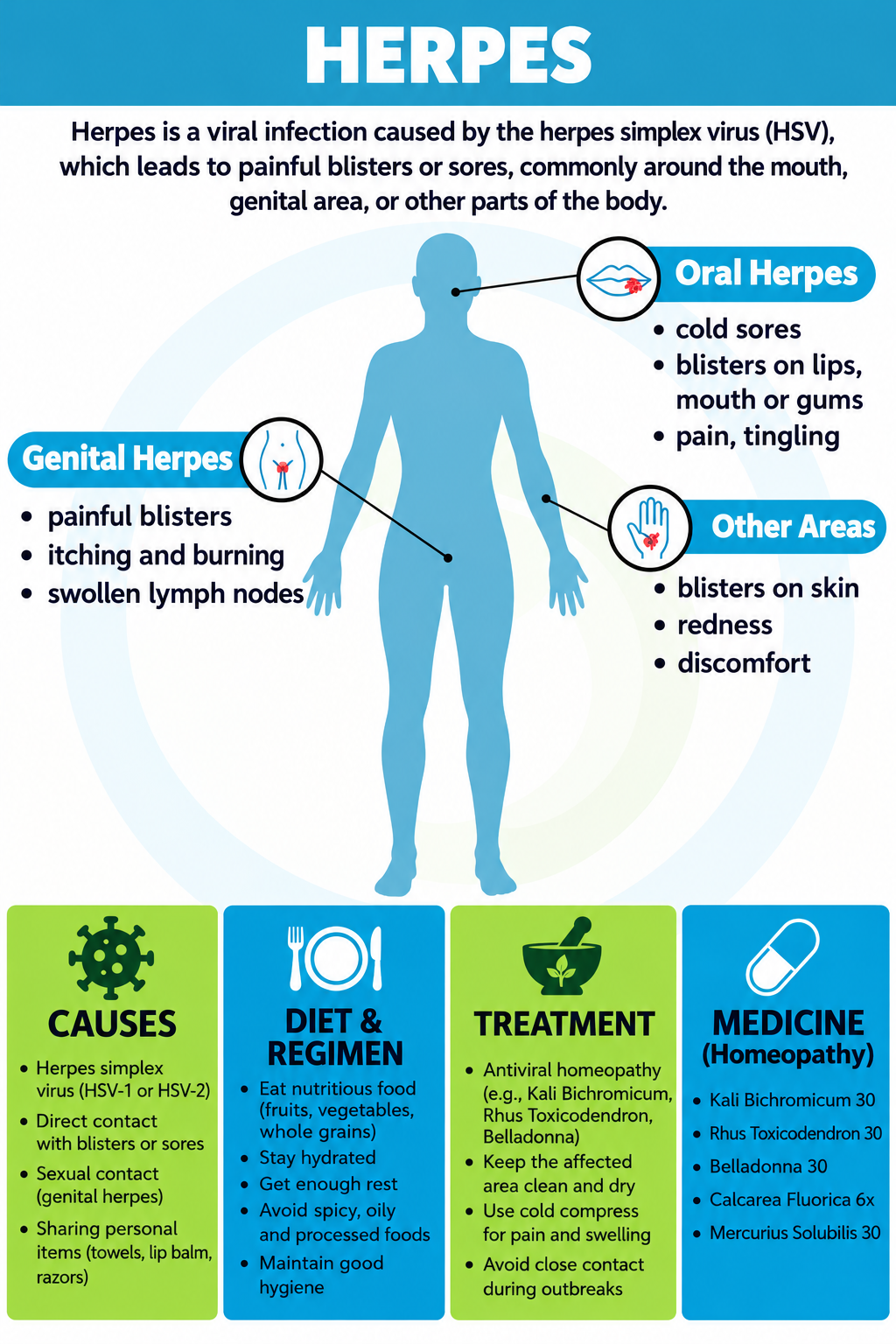
Herpes is a common viral infection caused by the herpes simplex virus (HSV). It can affect the mouth, lips, or genital region and may lead to blisters, painful sores, itching, or a burning sensation. Understanding how herpes spreads, recognizing possible symptoms, and following appropriate medical advice are essential for managing the condition. People searching for the best homeopathy clinic in India should prioritize reliable healthcare information and professional consultation.
Herpes Symptoms and Possible Causes
Herpes is transmitted through direct contact with infected skin, oral secretions, or genital areas. The infection can spread even when visible sores are absent. Some people experience repeated outbreaks, while others may have no noticeable symptoms.
Common signs include small fluid-filled blisters, painful ulcers, tingling, itching, and irritation around the affected area. Since these symptoms may resemble other skin conditions, consulting a qualified healthcare professional can help determine the cause and whether diagnostic testing is needed.
Important Herpes Prevention Measures
Following preventive practices can help reduce the likelihood of transmitting herpes to others.
- Avoid kissing or oral contact when cold sores are present.
- Avoid sexual contact during outbreaks or when early warning symptoms appear.
- Use condoms or dental barriers to reduce the risk of sexual transmission, although they do not provide complete protection.
- Avoid touching active sores and wash your hands after accidental contact.
- Do not touch your eyes after handling an affected area.
- Discuss antiviral treatment with a healthcare professional if outbreaks occur frequently or transmission is a concern.
- Seek medical guidance during pregnancy if you have a history of genital herpes.
These precautions can lower transmission risk, but no single measure guarantees complete prevention.
Homeopathy and Professional Herpes Care
People interested in homeopathy may discuss their health concerns and general well-being during a consultation. However, scientific evidence has not established homeopathy as an effective treatment for herpes or a method of eliminating the virus. It should not replace evidence-based medical treatment.
A qualified healthcare professional may recommend antiviral medicines to help reduce the severity and duration of outbreaks and lower the frequency of recurrences. Prompt medical attention is particularly important for severe symptoms, sores near the eyes, or suspected infection in someone with a weakened immune system.
Spiritual Homeopathy Clinic in Hyderabad
Spiritual Homeopathy provides consultation services for individuals who wish to discuss their health concerns and learn about available care options. The clinic has branches in KPHB, Dilsukhnagar, Chandanagar, and Nallagandla, Hyderabad.
Individuals searching for the best homeopathy clinic in India can contact Spiritual Homeopathy to enquire about consultation availability. Understanding the benefits and limitations of different healthcare approaches helps patients make informed decisions about their well-being.
When to Seek Medical Advice
Consult a qualified healthcare professional if you notice unexplained blisters, painful sores, or recurring symptoms. Early evaluation can help identify the condition and guide appropriate care. General hygiene and preventive measures can support infection control, but they cannot cure herpes.
If you are looking for the best homeopathy clinic in India, contact Spiritual Homeopathy to enquire about its consultation services while continuing to follow appropriate medical advice for herpes management.
Book an Appointment: Call 9069 176 176 to enquire about consultation availability


 0
0

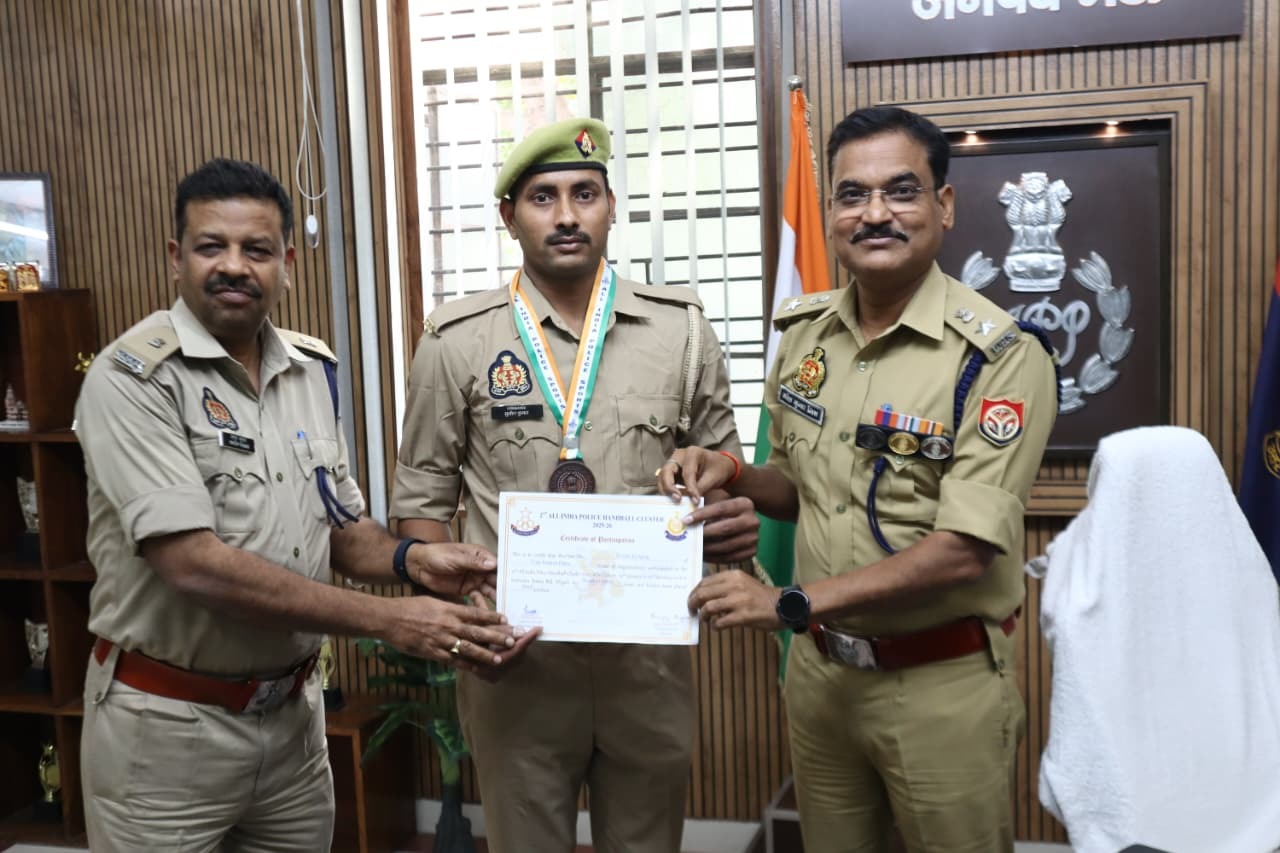 मऊ जनपद में तैनात कुशल खिलाड़ी आरक्षी सुनील कुमार को 'बिना पारी प्रोन्नति नियमावली' के अंतर्गत आरक्षी से मुख्य आरक्षी के पद पर आउट ऑफ़ टर्न प्रमोशन प्रदान किया गया है ।

 A business owner can have the latest software, a strong team and an impressive customer base—and still lose hours every day because the systems connecting everything do not work properly.
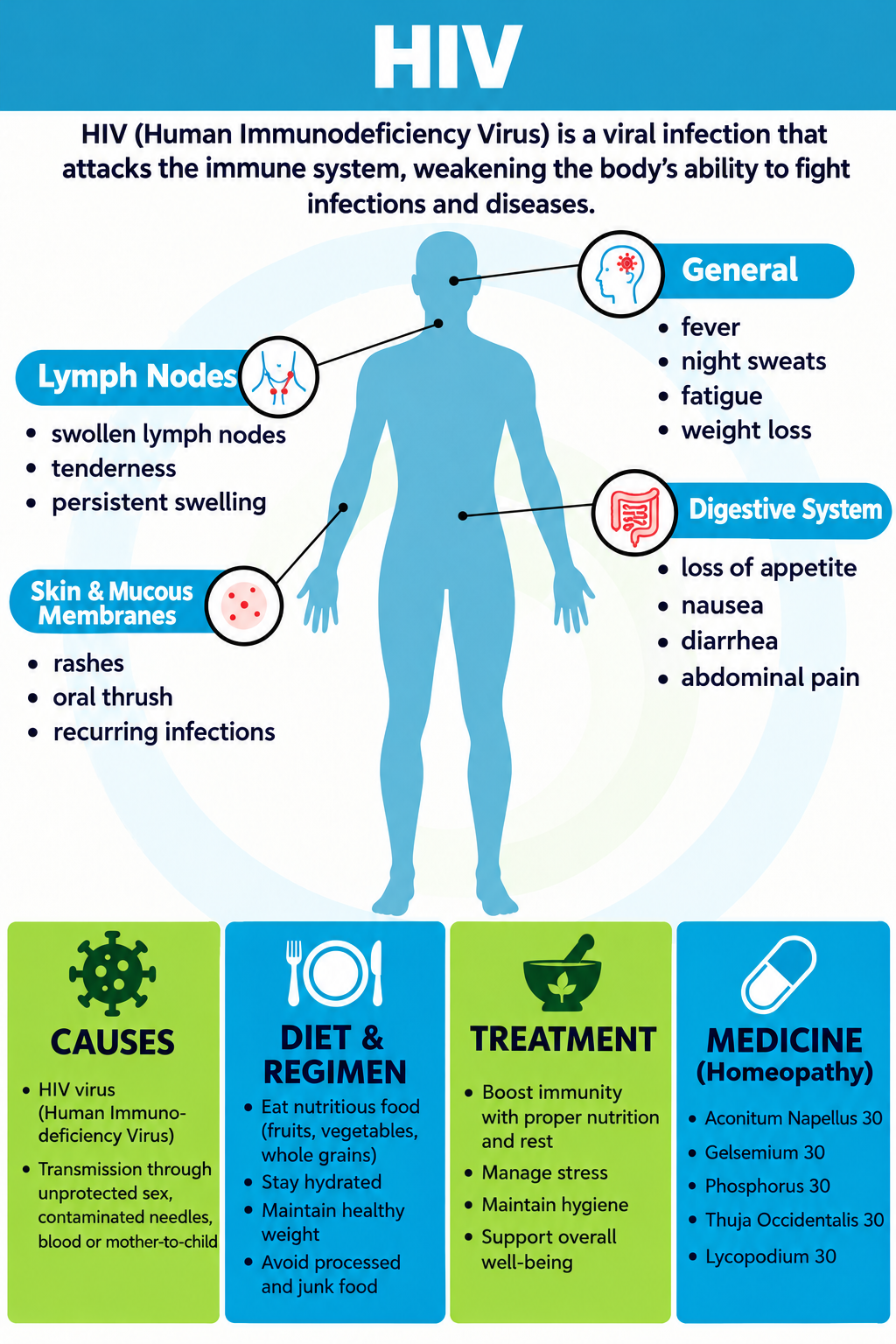 Antiretroviral therapy (ART) is the standard medical treatment for HIV. It suppresses the virus, helps preserve immune function, and reduces the risk of complications. General wellness practices, including balanced nutrition, sufficient rest, stress management, and routine medical check-ups, can complement appropriate medical care.
7 min ago
- Whatsapp
- Facebook
- Linkedin
- Google Plus
0