
/home/streetbuzz1/public_html/ajaydev/system/../storage/avatars/thumbs1/1496467143592709.png/home/streetbuzz1/public_html/ajaydev/system/../storage/avatars/thumbs4/1496467143592709.png/home/streetbuzz1/public_html/ajaydev/system/../storage/avatars/thumbs5/1496467143592709.png/home/streetbuzz1/public_html/ajaydev/system/../storage/avatars/thumbs1/_noavatar_user.gif/home/streetbuzz1/public_html/ajaydev/system/../storage/avatars/thumbs4/_noavatar_user.gif/home/streetbuzz1/public_html/ajaydev/system/../storage/avatars/thumbs5/_noavatar_user.gif/home/streetbuzz1/public_html/ajaydev/system/../storage/avatars/thumbs1/_noavatar_user.gif/home/streetbuzz1/public_html/ajaydev/system/../storage/avatars/thumbs4/_noavatar_user.gif/home/streetbuzz1/public_html/ajaydev/system/../storage/avatars/thumbs5/_noavatar_user.gif/home/streetbuzz1/public_html/ajaydev/system/../storage/avatars/thumbs1/_noavatar_user.gif/home/streetbuzz1/public_html/ajaydev/system/../storage/avatars/thumbs4/_noavatar_user.gif/home/streetbuzz1/public_html/ajaydev/system/../storage/avatars/thumbs5/_noavatar_user.gif/home/streetbuzz1/public_html/ajaydev/system/../storage/avatars/thumbs1/_noavatar_user.gif/home/streetbuzz1/public_html/ajaydev/system/../storage/avatars/thumbs4/_noavatar_user.gif/home/streetbuzz1/public_html/ajaydev/system/../storage/avatars/thumbs5/_noavatar_user.gif/home/streetbuzz1/public_html/ajaydev/system/../storage/avatars/thumbs1/_noavatar_user.gif/home/streetbuzz1/public_html/ajaydev/system/../storage/avatars/thumbs4/_noavatar_user.gif/home/streetbuzz1/public_html/ajaydev/system/../storage/avatars/thumbs5/_noavatar_user.gif/home/streetbuzz1/public_html/ajaydev/system/../storage/avatars/thumbs1/_noavatar_user.gif/home/streetbuzz1/public_html/ajaydev/system/../storage/avatars/thumbs4/_noavatar_user.gif/home/streetbuzz1/public_html/ajaydev/system/../storage/avatars/thumbs5/_noavatar_user.gif/home/streetbuzz1/public_html/ajaydev/system/../storage/avatars/thumbs1/_noavatar_user.gif/home/streetbuzz1/public_html/ajaydev/system/../storage/avatars/thumbs4/_noavatar_user.gif/home/streetbuzz1/public_html/ajaydev/system/../storage/avatars/thumbs5/_noavatar_user.gif/home/streetbuzz1/public_html/ajaydev/system/../storage/avatars/thumbs1/1630055818836552.png/home/streetbuzz1/public_html/ajaydev/system/../storage/avatars/thumbs4/1630055818836552.png/home/streetbuzz1/public_html/ajaydev/system/../storage/avatars/thumbs5/1630055818836552.png/home/streetbuzz1/public_html/ajaydev/system/../storage/avatars/thumbs1/1630055818836552.png/home/streetbuzz1/public_html/ajaydev/system/../storage/avatars/thumbs4/1630055818836552.png/home/streetbuzz1/public_html/ajaydev/system/../storage/avatars/thumbs5/1630055818836552.png StreetBuzz s:will
भारत आ रहे चीनी राष्ट्रपति? ब्रिक्स समिट के लिए जिनपिंग के दिल्ली दौरे पर सस्पेंस

#willxijinpingattendbricssummitchinahasnotyetresponded

भारत इस सप्ताह दुनिया की बड़ी उभरती अर्थव्यवस्थाओं के नेताओं की मेजबानी करने जा रही है। भारत 12 और 13 सितंबर को राजधानी के भारत मंडपम में 18वें ब्रिक्स शिखर सम्मेलन की मेजबानी करेगा। प्रधानमंत्री नरेंद्र मोदी सम्मेलन की मेजबानी करेंगे। रूस के राष्ट्रपति व्लादिमीर पुतिन का सम्मेलन में शामिल होना तय हो गया है। हालांकि, चीनी राष्ट्रपति शी जिनपिंग के नई दिल्ली आने पर अभी तक संशय बना हुआ है।

चीनी विदेश मंत्रालय की प्रवक्ता माओ निंग से मंगलवार को पूछा गया कि चीन की ओर से समिट में कौन शामिल होगा। उन्होंने कहा कि चीन ब्रिक्स सहयोग को बहुत महत्व देता है और भारत के सफल सम्मेलन आयोजित करने का समर्थन करता है। हालांकि, उन्होंने चीनी डेलिगेशन या जिनपिंग की मौजूदगी पर कोई साफ जवाब नहीं दिया। उन्होंने कहा कि अगर कोई नई जानकारी होगी तो उसे बताया जाएगा।

क्या है चीन की चुप्पी की वजह?

नई दिल्ली में 11 सितंबर से ब्रिक्स शिखर सम्मेलन में शामिल होने की बात रूस के राष्ट्रपति व्लादिमीर पुतिन समेत ईरानी राष्ट्रपति मसूद पेजेश्कियन कर चुके हैं। लेकिन चीन की तरफ से अभी तक पुष्टि नहीं की गई है कि राष्ट्रपति शी जिनपिंग आएंगे या नहीं। जबकि बिश्केक में पिछले महीने अंत में आयोजित एससीओ शिखर सम्मेलम में शी जिनपिंग के शामिल होने की पुष्टि बीजिंग ने करीब 10 दिन पहले कर दी थी।

मोदी ने 2025 में शी को दिया था न्योता

भारत ने अगस्त 2025 में प्रधानमंत्री नरेंद्र मोदी की चीन यात्रा के दौरान शी जिनपिंग को 2026 ब्रिक्स समिट में आने का न्योता दिया था। भारतीय विदेश मंत्रालय के मुताबिक, जिनपिंग ने मोदी के न्योते के लिए धन्यवाद दिया था और भारत की ब्रिक्स अध्यक्षता का समर्थन किया था। लेकिन न्योता मिलने का मतलब जिनपिंग का सम्मेलन में आना तय होना नहीं है।

जिनपिंग की भारत यात्रा क्यों होगी खास?

शी जिनपिंग की यात्रा पर सबकी नजर इसलिए भी क्योंकि अगर वो दिल्ली आते हैं तो 2019 के बाद उनकी ये पहली भारत यात्रा होगी। जिनपिंग की संभावित मौजूदगी इस सम्मेलन की सबसे महत्वपूर्ण घटनाओं में से एक होगी। सम्मेलन से इतर प्रधानमंत्री नरेंद्र मोदी और शी जिनपिंग के बीच द्विपक्षीय मुलाकात की भी व्यापक उम्मीद है। दोनों देशों के बीच जटिल संबंधों के बीच ब्रिक्स का मंच उच्चस्तरीय संवाद का एक और रास्ता उपलब्ध करा सकता है।

Beyond Care: Building India's Longevity Economy By Alok Bhatnagar Founder & CEO, KinKeeper

India stands at the threshold of a demographic transformation that will redefine its economic and social future. For decades, our growth story has been powered by the demographic dividend of a young population. That advantage fuelled entrepreneurship, investment, and innovation. Today, however, a new opportunity is emerging—one that demands an equally ambitious vision.

The future of India's prosperity will not be shaped by youth alone. It will also depend on how successfully we enable millions of older Indians to live healthier, longer, more productive, and financially secure lives.

This is the foundation of the Longevity Economy.

Unlike the traditional view of ageing as a period of dependency, the longevity economy recognises longer lives as an economic asset. It encompasses the products, services, technologies, policies, and infrastructure that enable people to remain healthy, independent, socially connected, and economically active throughout later life. It is about moving beyond care to build an ecosystem that empowers people to age with dignity, purpose, and opportunity.

The scale of this opportunity is significant. According to the UNFPA India Ageing Report 2023, India had approximately 149 million people aged 60 years and above in 2022. By 2050, that number is projected to reach 347 million, representing 20.8% of the population. The population aged 80 years and above is expected to grow by around 279% during the same period. These figures represent one of the most profound demographic shifts in India's history.

The challenge, however, is not simply that people are living longer. It is ensuring they live better. Extending healthspan—the years spent in good physical, mental, and social health—is as important as extending lifespan. Healthier ageing reduces pressure on healthcare systems while enabling people to remain active, independent, and engaged for longer.

This transformation extends far beyond healthcare. It creates opportunities across preventive healthcare, digital health, AgeTech, insurance, retirement planning, accessible housing, mobility, wellness, nutrition, lifelong learning, travel, home modifications, and community-based services. Advances in artificial intelligence, wearable devices, remote monitoring, and assistive technologies are also reshaping how people age safely and independently.

A growing number of senior citizens today possess accumulated savings, home ownership, professional expertise, and decades of experience. They are not merely recipients of care—they are consumers, mentors, entrepreneurs, investors, volunteers, and active contributors to society. Businesses that understand their evolving aspirations will be better positioned to serve one of India's fastest-growing consumer segments.

Recognising this opportunity, NITI Aayog has highlighted the rapid emergence of India's silver economy and the opportunities it presents across healthcare, financial services, housing, technology, wellness, and home-based care. The report also notes that healthcare accounts for nearly 31% of senior citizens' expenditure, underscoring the growing demand for preventive healthcare, rehabilitation, home healthcare, and technology-enabled services.

The longevity economy is also poised to become a major employment generator. As India's population ages, demand will grow for caregivers, geriatric specialists, nurses, physiotherapists, rehabilitation professionals, psychologists, nutritionists, accessibility consultants, financial advisers, and AgeTech innovators. Building this ecosystem can create millions of skilled jobs while improving quality of life and reducing pressure on families.

The Economic Survey 2023–24 introduces the concept of the Silver Dividend, noting that enabling people aged 60–69 to remain economically active could increase GDP across Asian economies by an average of 1.5%. It recommends greater investment in lifelong learning, care infrastructure, workforce development, and age-friendly employment, recognising healthy ageing as both a social and economic priority.

Around the world, countries are already adapting to longer lives. Japan has pioneered AgeTech and robotics for independent living. Germany has strengthened long-term care systems, while Singapore has invested in age-friendly communities and ageing-in-place programmes. Their experience demonstrates that demographic change can become a catalyst for innovation when supported by forward-looking policy and private-sector investment.

India must now develop its own model. Urbanisation, migration, smaller families, and longer life expectancy have changed traditional caregiving patterns. Millions of older parents now live independently while their children pursue careers elsewhere. Meeting their evolving needs will require an integrated ecosystem that combines family support, technology, professional services, and community engagement.

The Government of India has taken encouraging steps through initiatives such as the Senior Ageing Growth Engine (SAGE), which supports startups developing solutions for older adults, alongside programmes that encourage healthy ageing and continued participation in society. Together, these initiatives signal an important shift—from treating ageing primarily as a welfare concern to recognising it as a driver of innovation and economic opportunity.

Yet government action alone will not be enough. Building a longevity economy requires collaboration between policymakers, entrepreneurs, healthcare providers, investors, insurers, technology companies, financial institutions, urban planners, academia, and civil society. Age-friendly infrastructure, preventive healthcare, digital inclusion, lifelong learning, and community-based support must become central to India's development agenda.

As India progresses towards Viksit Bharat 2047, success will not be measured solely by economic growth. It will also be measured by how effectively we enable people of every generation to live healthier, safer, more independent, and financially secure lives.

The question is no longer whether India will become an ageing society—it already is. The real challenge is whether we are prepared to transform longevity into a national advantage.

Building the longevity economy is not simply about caring for older citizens. It is about creating a future where longer lives fuel innovation, strengthen industries, generate employment, and enhance social well-being. India has the scale, entrepreneurial talent, and policy momentum to lead this transformation. If we act with vision today, longevity will become not a demographic challenge, but one of India's greatest economic opportunities.

Soummodeep Dey Appointed National Coordinator of Janata Congress Party, Set to Lead Youth Mobilisation Drive

Jamshedpur/New Delhi: In a move that signals a fresh push for youth-driven politics, the Janata Congress Party (JCP) has elevated Soummodeep Dey, a Jamshedpur-based social worker and youth activist, to the position of National Coordinator. The appointment, confirmed by the party's central leadership, marks a significant step up from his earlier role as the party's National Youth Coordinator and places him at the heart of JCP's organisational expansion across the country.Dey's rise within the party has been steady. Barely months after taking charge of the youth wing under the "People First, Nation First, India First" banner, he has now been handed a broader mandate that goes beyond youth mobilisation to include strengthening the party's central committee structure. Party insiders say the decision reflects growing confidence in his ability to build grassroots networks and translate organisational directives into on-ground action.

"This is not just a position, it is a responsibility to build the organisation across the country and give the voice of the youth a new direction," Dey said following the announcement. He added that his immediate priorities would be organisational expansion, deeper youth participation, and highlighting issues that directly affect ordinary citizens.

A Background Rooted in Service

Dey's political journey did not begin with the Janata Congress Party. Hailing from Jamshedpur, Jharkhand, he first built a public profile through the Netaji Subhash Chandra Bose Seva Samiti, a community welfare organisation he founded that has been active in blood donation drives, cleanliness campaigns, disaster relief, and support for the underprivileged. The organisation's consistent work in the region earned Dey the Subhash Chandra Bose Icon Award 2025, a recognition of his contribution to social welfare and community development.

Before joining JCP, Dey was also associated with the National Students' Union of India, where he served as State Vice-Chairman of the Social Media Committee for Odisha. During his tenure, he was part of the coordination team for the Bharat Jodo Nyay Yatra in Odisha and held responsibilities within the University President NSUI campus committee, giving him early exposure to large-scale organisational coordination and student politics.

On the academic front, Dey holds a degree in Mechanical Engineering and an MBA specialising in Human Resources and Marketing, a combination that party colleagues say has shaped his structured approach to organisational planning.

Party's Push for Youth Leadership

The Janata Congress Party, which has been steadily expanding its footprint, has framed the appointment as part of a larger strategy to bring younger voices into decision-making roles ahead of upcoming state elections, including in Manipur and Goa. The party has also been vocal on regional and cross-border issues, recently expressing solidarity with flood and landslide-affected communities in Nepal, an initiative in which Dey featured prominently as the face of the party's outreach.

Party leadership, in its formal note of congratulations, said it appreciated Dey's trust, passion, and dedication toward youth and the nation, adding that his leadership was expected to help empower young people and position them at the forefront of nation-building efforts.

What Comes Next

With the appointment now official, attention turns to how quickly Dey can translate his organisational experience into visible results for JCP. His task list includes expanding the party's presence in states where it currently has limited structure, strengthening the central committee, and ensuring that youth engagement extends beyond social media messaging into active ground mobilisation.

For a party still building its national identity, the choice of a coordinator with a background in both grassroots social work and structured student politics appears deliberate. Whether this translates into electoral traction remains to be seen, but for now, the appointment has generated visible enthusiasm among party supporters and workers who see it as evidence of the party's willingness to invest in younger leadership.

Soummodeep Dey's appointment as National Coordinator adds a new chapter to a career that has moved from community service in Jamshedpur to student politics in Odisha and now to a national role within the Janata Congress Party's organisational framework.

For more information You can Visit on Instagram:

https://www.instagram.com/soummo_deep_dey?igsi=Z2FwaWlhbWNsems0


Nature Hospitality Expands Reach With New International Tour Packages

INDIA — Nature Hospitality, a travel and hospitality provider that has spent over a decade building its name around domestic getaways in Delhi, Bangalore, Mumbai, Chennai, Ahmedabad, Hyderabad and other Indian destinations, has now widened its portfolio to include a full lineup of international tour packages.The company, established in 2014, built its early reputation on curated trips to the Himalayan belt, Wayanad, Munnar, and island destinations such as Lakshadweep. Its move into international travel marks a shift for a brand that has largely been associated with domestic holidays until now.

The new offering includes Paris tour packages built around the Eiffel Tower, the Louvre Museum, and the Seine River, along with broader Europe tour packages covering France, Switzerland, Italy, Germany, and Spain. Travelers looking specifically at the Alps and lake country can also choose dedicated Switzerland tour packages.

Beyond Europe, Nature Hospitality has added USA tour packages featuring New York, Las Vegas, Los Angeles, and Miami, as well as Australia tour packages built around Sydney, Melbourne, and the Gold Coast. The company has also introduced Japan tour packages covering Tokyo, Kyoto, Osaka, and Mount Fuji, giving travelers a route into a market that combines modern cities with traditional culture.

For travelers drawn to desert landscapes and city luxury, the company has rolled out Dubai tour packages that include desert safaris, shopping, and sightseeing alongside stays at upscale hotels. South Africa tour packages round out the list, taking travelers through Cape Town, Johannesburg, and wildlife safaris across the country's landscapes.

"Our clients have been asking for the same kind of planning and support they got on their India trips, but for international destinations," the company said. "This expansion is our way of answering that demand without changing how we work with people."

That approach includes honeymoon and family packages, which the company has customized for couples, families, and groups traveling together. Nature Hospitality is also continuing its practice of building personalized itineraries from scratch, based on a traveler's destination, budget, travel dates, and specific preferences, rather than relying only on fixed departures.

Industry watchers have pointed to a broader trend behind this kind of expansion. Indian travelers have increasingly moved from domestic weekend trips toward longer international holidays over the past few years, a shift that has pushed many established domestic operators to add global destinations to their catalogs.

Nature Hospitality's past reviews, many tied to its Himalayan and Kerala tours, have often highlighted the hands-on support its team provides during a trip, including arranging local transport and adjusting plans on short notice. The company says it intends to carry that same level of involvement into its international bookings, from visa guidance to on-ground coordination at each destination.

The company has not limited its international packages to a single style of travel. Its catalog spans romantic city breaks in Paris, adventure-driven safaris in South Africa, beach and city combinations in Australia, and cultural circuits through Japan, giving it a spread that can serve very different types of travelers under one brand.

With this expansion, Nature Hospitality positions itself to compete for a segment of travelers who previously would have booked international trips through separate specialist agencies for each region. By keeping planning, budgeting, and support under one roof, the company is betting that convenience will be as strong a draw as the destinations themselves.

Nature Hospitality says more destinations and packages are expected to be added to its international lineup in the coming months, as it continues building out this side of the business alongside its existing domestic operations.

For those interested in Paris, Europe, USA, Australia, South Africa, Japan, Dubai, Switzerland, honeymoon and family holidays, or a fully customized international itinerary, Nature Hospitality can be reached through its official website and customer support channels.

Media Contact: Nature Hospitality Email: www.naturehospitality.net


WallX by Avinya Bharat Launches Premium LED Video Wall Brand on India's 80th Independence Day

Pune, Maharashtra, August 2026, Avinya Bharat Pvt Ltd has launched WallX, its new premium LED video wall brand, choosing August 15, 2026, India's 80th Independence Day, as the date to introduce it. The launch reflects the company's intent to build a trusted Indian name in high-performance, professionally engineered LED display technology.With WallX, Avinya Bharat is stepping into the premium tier of India's fast-growing LED video wall and professional display market. The brand's focus sits squarely on engineering quality, long-term reliability, and the kind of after-sale support that keeps a display running for years, not just months.

A Different Starting Point for LED Displays

Most LED video wall purchases in India are still decided on price alone. WallX was built around a different question: what does a display actually cost once you account for the years it has to keep working?

That question shapes how the brand evaluates every product it puts to market. Component quality, thermal management, electrical protection, power efficiency, and spare-part availability all factor into WallX's approach, alongside how easily a unit can be serviced once it's installed. Avinya Bharat wants customers to weigh an LED video wall as a complete engineered system, not a line item on a quotation.

That distinction matters most in settings where a screen going dark has real consequences, control rooms, retail storefronts, hospitality venues, and corporate environments where downtime affects operations or brand visibility.

Backing the Brand With a 3-Year Warranty

WallX is launching with a premium 3-year warranty across its product range, one of the more significant commitments the brand is making out of the gate. It's a direct statement of confidence in the engineering behind the displays, and it gives customers planning larger installations, the kind expected to run continuously for years, a clearer sense of what they're buying into.

For a new brand entering a crowded market, a warranty like this does double duty: it protects the customer and it sets a bar Avinya Bharat is committing to meet.

Engineering Comes First

WallX's product development is built around solutions for varied indoor and outdoor environments rather than a one-size-fits-all screen. The company draws on Avinya Bharat's existing experience in LED display manufacturing, project execution, and technical support to inform how each configuration is built.

Before recommending a setup, the WallX team looks at viewing distance, pixel pitch, screen dimensions, the installation environment, power requirements, thermal conditions, and how accessible the unit will be for future servicing. It's a more deliberate process than treating every deal as a standard screen sale, and one aimed at avoiding the kind of mismatched installations that create problems down the line.

Thinking in Lifecycle Terms, Not Purchase Price

For premium buyers, the sticker price is just the entry point. Electricity use, maintenance needs, spare parts, and potential downtime all add up over the life of an installation, and WallX is positioning its products around that fuller picture rather than the number on day one.

It's a straightforward philosophy, even if it runs against how most buyers are used to shopping for displays: what will this wall cost to run and maintain, not just what will it cost to buy. That framing is likely to resonate with businesses and institutions that need consistent performance and real service support behind their LED video wall investment.

Building From Pune, Aiming Nationwide

Launching WallX on Independence Day wasn't incidental, it reflects Avinya Bharat's ambition to build a genuinely Indian premium display brand from its base in Pune, Maharashtra. From there, the company plans to expand WallX's reach across India, serving corporate, commercial, institutional, retail, and mission-critical customers who need professional LED display solutions they can rely on.

Avinya Bharat views the WallX launch as more than a product introduction, it's the start of a brand built around raising the standard for quality, reliability, and customer confidence in India's LED display industry. The company's position is that the market's future won't be won on the lowest quote, but on the combination of performance, reliability, service, and total lifecycle value.

For more information visit wallxdisplay.com


Sanatan Dharma: The New Indian Brand Creating a Buzz Around Everyday Tradition

What happens when a young entrepreneur looks at something that has existed in Indian homes for centuries and decides to build a modern brand around it?The answer is Sanatan Dharma™—an emerging Indian consumer brand founded by Shivek Tyagi, which is now stepping into the rapidly evolving market for puja essentials and devotional products.

At a time when India's young entrepreneurs are increasingly building brands around traditional Indian products, Sanatan Dharma is attempting something particularly interesting: taking products that families have used for generations and presenting them to a new generation of consumers through modern branding, packaging and digital commerce.

And the idea is beginning to create attention.

From an Everyday Need to a Brand Opportunity

For generations, products such as camphor, cotton wicks, kumkum, kalawa, sindoor and other puja essentials have been purchased almost automatically from neighbourhood stores.

There was rarely a brand conversation around them.

Shivek Tyagi saw an opportunity in exactly that gap.

The thinking was simple: if consumers expect quality, consistency and trust from almost every other category they purchase, why should the products used in their most personal and meaningful rituals be any different?

That thought became the foundation for Sanatan Dharma.

Today, the brand is developing a growing portfolio of puja essentials, devotional products and curated puja kits, with an approach that combines traditional relevance with modern consumer expectations.

Why Is Sanatan Dharma Getting Attention?

Part of the answer lies in timing.

India's relationship with tradition is changing—not disappearing.

Young Indians are increasingly comfortable with digital commerce, modern packaging and online shopping, while at the same time remaining closely connected to festivals, family rituals and cultural practices.

This creates a fascinating opportunity.

A consumer can order groceries online, discover a new brand through social media and still sit with their family for Diwali puja in the evening.

Sanatan Dharma is positioning itself right in the middle of this changing behaviour.

Its proposition is not to change the rituals people follow.

It is to modernise the way the products behind those rituals are discovered and purchased.

From Camphor to Curated Puja Kits

The brand's portfolio includes everyday essentials such as camphor, Bhimseni camphor, cotton wicks, ghee cotton wicks, kumkum, kalawa, sindoor and Ashtagandh, along with curated kits designed around specific pujas and occasions.

The idea of curated kits is particularly relevant to today's consumer.

Instead of searching for every individual item required for a particular ritual, consumers can find products brought together for specific occasions.

It is a simple example of how traditional shopping behaviour can be made more convenient without changing the tradition itself.

The Shivek Tyagi Story

At the centre of this emerging brand is Shivek Tyagi, a young entrepreneur looking at an established category through a different lens.

Rather than entering an already crowded mainstream consumer category, Tyagi chose to build around a segment that is deeply connected to Indian households but has historically had relatively limited organised branding.

That decision reflects a broader entrepreneurial trend in India: finding opportunities not only in new technology or entirely new products, but also in categories that have existed for decades and are ready for a fresh approach.

Sanatan Dharma is still a young brand, but its ambition is considerably larger than its current footprint.

The objective is to build recognition, earn consumer trust and eventually create a household name in the puja and devotional products category.

The “New-Age” Puja Brand

Walk through a modern Indian home and you will see something interesting.

Tradition and technology now exist side by side.

A family may perform the same puja their grandparents performed, but the products for that puja can now be discovered through a smartphone.

That is the market Sanatan Dharma is entering.

The brand's identity combines traditional Indian cultural associations with contemporary packaging and digital accessibility. Its online presence allows consumers to explore its products beyond their local market.

For a category historically dependent on neighbourhood availability, this represents a significant shift.

Building a Brand, Not Just Selling Products

The real challenge for Sanatan Dharma will be building long-term trust.

Creating initial curiosity is one thing.

Becoming a brand that families repeatedly choose is another.

The company, a unit of Sara Greenworks Pvt. Ltd., is therefore looking beyond individual online sales. Its broader plans include expanding through retail stores, distributors, wholesale partnerships and digital commerce.

The ambition is to take the brand from individual households to retail shelves across India—and eventually to Indian communities around the world.

Why the Timing Could Be Right

India's consumer market is increasingly showing an appetite for brands that understand Indian culture.

From food and Ayurveda to handicrafts and traditional wellness products, entrepreneurs are discovering that heritage itself can become the foundation for modern businesses.

Sanatan Dharma is attempting a similar journey in the puja essentials category.

Its biggest advantage may be the familiarity of the products themselves.

Consumers already understand the need.

The opportunity is to give them a brand they can remember.

From Hype to Household Trust

Every emerging brand goes through a stage where curiosity turns into conversation.

Sanatan Dharma is now entering that phase.

Its combination of a young entrepreneurial vision, a culturally significant category and modern consumer positioning is attracting attention among consumers looking for more organised and accessible sources of puja essentials.

But Shivek Tyagi's larger challenge—and opportunity—is clear.

Can a new-age Indian brand become part of an age-old tradition?

If Sanatan Dharma succeeds, its journey could represent more than the growth of another consumer company.

It could demonstrate how India's oldest traditions can create opportunities for India's newest entrepreneurs.

Because the products may be traditional.

The rituals may be centuries old.

But the brand building around them is very much happening in today's India.

Sanatan Dharma™

An emerging Indian brand by Shivek Tyagi, bringing traditional puja essentials into the modern Indian home.

Website: www.sanatandharmaonline.com

WhatsApp Orders: +91-7982444690

Email:

Sanatan Dharma: The New Indian Brand Creating a Buzz Around Everyday Tradition

What happens when a young entrepreneur looks at something that has existed in Indian homes for centuries and decides to build a modern brand around it?The answer is Sanatan Dharma™—an emerging Indian consumer brand founded by Shivek Tyagi, which is now stepping into the rapidly evolving market for puja essentials and devotional products.

At a time when India's young entrepreneurs are increasingly building brands around traditional Indian products, Sanatan Dharma is attempting something particularly interesting: taking products that families have used for generations and presenting them to a new generation of consumers through modern branding, packaging and digital commerce.

And the idea is beginning to create attention.

From an Everyday Need to a Brand Opportunity

For generations, products such as camphor, cotton wicks, kumkum, kalawa, sindoor and other puja essentials have been purchased almost automatically from neighbourhood stores.

There was rarely a brand conversation around them.

Shivek Tyagi saw an opportunity in exactly that gap.

The thinking was simple: if consumers expect quality, consistency and trust from almost every other category they purchase, why should the products used in their most personal and meaningful rituals be any different?

That thought became the foundation for Sanatan Dharma.

Today, the brand is developing a growing portfolio of puja essentials, devotional products and curated puja kits, with an approach that combines traditional relevance with modern consumer expectations.

Why Is Sanatan Dharma Getting Attention?

Part of the answer lies in timing.

India's relationship with tradition is changing—not disappearing.

Young Indians are increasingly comfortable with digital commerce, modern packaging and online shopping, while at the same time remaining closely connected to festivals, family rituals and cultural practices.

This creates a fascinating opportunity.

A consumer can order groceries online, discover a new brand through social media and still sit with their family for Diwali puja in the evening.

Sanatan Dharma is positioning itself right in the middle of this changing behaviour.

Its proposition is not to change the rituals people follow.

It is to modernise the way the products behind those rituals are discovered and purchased.

From Camphor to Curated Puja Kits

The brand's portfolio includes everyday essentials such as camphor, Bhimseni camphor, cotton wicks, ghee cotton wicks, kumkum, kalawa, sindoor and Ashtagandh, along with curated kits designed around specific pujas and occasions.

The idea of curated kits is particularly relevant to today's consumer.

Instead of searching for every individual item required for a particular ritual, consumers can find products brought together for specific occasions.

It is a simple example of how traditional shopping behaviour can be made more convenient without changing the tradition itself.

The Shivek Tyagi Story

At the centre of this emerging brand is Shivek Tyagi, a young entrepreneur looking at an established category through a different lens.

Rather than entering an already crowded mainstream consumer category, Tyagi chose to build around a segment that is deeply connected to Indian households but has historically had relatively limited organised branding.

That decision reflects a broader entrepreneurial trend in India: finding opportunities not only in new technology or entirely new products, but also in categories that have existed for decades and are ready for a fresh approach.

Sanatan Dharma is still a young brand, but its ambition is considerably larger than its current footprint.

The objective is to build recognition, earn consumer trust and eventually create a household name in the puja and devotional products category.

The “New-Age” Puja Brand

Walk through a modern Indian home and you will see something interesting.

Tradition and technology now exist side by side.

A family may perform the same puja their grandparents performed, but the products for that puja can now be discovered through a smartphone.

That is the market Sanatan Dharma is entering.

The brand's identity combines traditional Indian cultural associations with contemporary packaging and digital accessibility. Its online presence allows consumers to explore its products beyond their local market.

For a category historically dependent on neighbourhood availability, this represents a significant shift.

Building a Brand, Not Just Selling Products

The real challenge for Sanatan Dharma will be building long-term trust.

Creating initial curiosity is one thing.

Becoming a brand that families repeatedly choose is another.

The company, a unit of Sara Greenworks Pvt. Ltd., is therefore looking beyond individual online sales. Its broader plans include expanding through retail stores, distributors, wholesale partnerships and digital commerce.

The ambition is to take the brand from individual households to retail shelves across India—and eventually to Indian communities around the world.

Why the Timing Could Be Right

India's consumer market is increasingly showing an appetite for brands that understand Indian culture.

From food and Ayurveda to handicrafts and traditional wellness products, entrepreneurs are discovering that heritage itself can become the foundation for modern businesses.

Sanatan Dharma is attempting a similar journey in the puja essentials category.

Its biggest advantage may be the familiarity of the products themselves.

Consumers already understand the need.

The opportunity is to give them a brand they can remember.

From Hype to Household Trust

Every emerging brand goes through a stage where curiosity turns into conversation.

Sanatan Dharma is now entering that phase.

Its combination of a young entrepreneurial vision, a culturally significant category and modern consumer positioning is attracting attention among consumers looking for more organised and accessible sources of puja essentials.

But Shivek Tyagi's larger challenge—and opportunity—is clear.

Can a new-age Indian brand become part of an age-old tradition?

If Sanatan Dharma succeeds, its journey could represent more than the growth of another consumer company.

It could demonstrate how India's oldest traditions can create opportunities for India's newest entrepreneurs.

Because the products may be traditional.

The rituals may be centuries old.

But the brand building around them is very much happening in today's India.

Sanatan Dharma™

An emerging Indian brand by Shivek Tyagi, bringing traditional puja essentials into the modern Indian home.

Website: www.sanatandharmaonline.com

WhatsApp Orders: +91-7982444690

Email:

Studying Abroad Sounds Exciting. But Where Should You Actually Go?

There is a particular kind of excitement that happens when a student says:“I want to study abroad.”

Suddenly, the family WhatsApp group is full of university rankings, YouTube campus tours, tuition fees and somebody's friend's cousin who apparently knows everything about studying in Europe.

Then comes the slightly less exciting question:

“Okay. Where exactly?”

With thousands of universities, courses and destinations to choose from, finding the right university can quickly become overwhelming.

And the biggest university name isn't necessarily the best answer.

Start With the Student, Not the University

A good university on paper can still be the wrong choice for a particular student.

The course may not fit their career goals. The cost may not work for the family. The country may offer an exciting opportunity but an environment the student isn't prepared for.

That is why university admissions should begin with a few more important questions:

Is the student eligible? What do they want to study? Can they afford it? Are they ready to live independently? And what kind of environment will help them thrive?

AdmissionsNest begins with understanding the student before moving into university shortlisting.

Through eligibility and readiness assessments and personalised admissions counselling, students can explore courses and universities based on their academic profile, goals, circumstances and aspirations.

Because Studying Abroad Is More Than Getting on a Plane

Getting admission to a university in Europe is an achievement.

But then comes the part nobody puts on the university brochure.

The weather may be completely different. Classroom expectations may change. Food, communication styles and social norms may be unfamiliar. Students may suddenly be managing their own money, accommodation, travel and daily life.

And then there is culture.

Europe offers an enormous variety of languages, traditions, communities and ways of life. For a student coming from India, that can be an incredible opportunity to discover new perspectives and people.

It can also take some getting used to.

AdmissionsNest therefore looks beyond academic eligibility to student readiness, helping students think about whether they are prepared for the independence, cultural adjustment and new environment that come with studying abroad.

Because getting there is one thing.

Being comfortable enough to thrive there is another.

Finding the Right Option Without Getting Lost in the Options

Students don't always need the same pathway.

For one, the right choice might be a university in the UK or elsewhere in Europe.

For another, it could be one of India's leading institutions.

For a working professional looking to change careers, upskill or pursue a promotion, an online degree may be the smarter option, allowing education to fit around an existing career.

AdmissionsNest helps students explore these different pathways through its university and course options, filtering possibilities based on relevant factors and providing one-to-one admissions counselling to help narrow the field.

And because higher education is a significant financial commitment, the conversation also needs to include scholarships, education loans, living costs and available work-and-study opportunities, where applicable.

From Shortlisting to the Admission Letter

Once a student has identified suitable options, AdmissionsNest can support the next steps, including applications, documentation, scholarship guidance, education-loan assistance and visa support.

The goal isn't to send every student abroad.

It is to help each student find a pathway that makes sense for their education, career goals, finances and readiness.

And the support doesn't necessarily stop when the admission letter arrives.

Through the wider Crescet ecosystem and its connection with TutorsNest, students can continue accessing academic guidance and support after they begin their studies.

Because admission is not the finish line.

It's the starting point.

So, Where Should You Go?

Maybe the answer is a university in Europe.

Maybe it's a leading institution in India.

Maybe it's an online degree that lets a working professional build a new career without putting their current one on hold.

The point is that there isn't one “best” university for everyone.

There is a best-fit pathway for each student.

AdmissionsNest is designed to help students and families find it through eligibility assessment, readiness assessment, admissions counselling, university shortlisting and support from application to beyond admission.

Because the question isn't simply:

“Where can I get admitted?”

It's:

“Where can I learn, adapt, grow and build the future I'm actually aiming for?”

That's where the right university search begins.


Website link: https://admissionsnest.in/


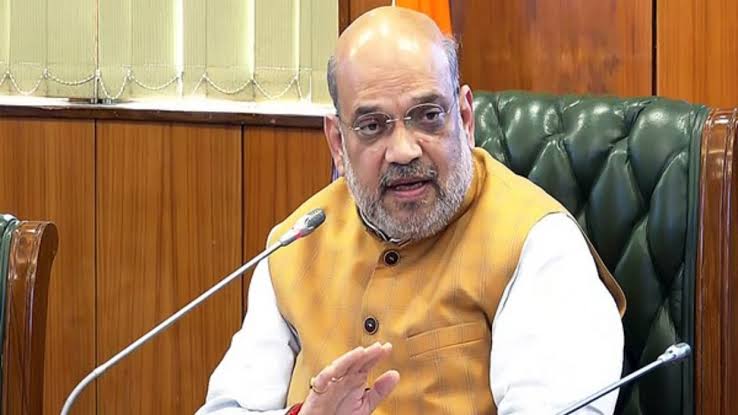
कल 3 बजे विरोधियों को जवाब दूंगा', विपक्ष की मांग पर बोले शाह, राहुल गांधी ने कहा- हम नहीं सुनेंगे*

#amitshahiwillanswerallquestionsthursday3pmopposition_demand

20 जुलाई को दिल्ली में प्रदर्शन कर रहे छात्रों पर हुए पुलिस एक्शन के बाद से ही इस मुद्दे पर विपक्ष गृह मंत्री अमित शाह को लगातार निशाना बनाता रहा है। विपक्ष के नेता राहुल गांधी इस मामले में कई बार गृह मंत्री अमित शाह से जवाब मांग चुके हैं। राहुल गांधी ने कई बार सवाल किया है कि छात्रों की पिटाई और प्रदर्शनकारियों पर पैलेट गन चलाने का आदेश किसने दिया था। ऐसे में अमित शाह ने इस मुद्दे पर मीडिया से बात करते हुए पहली बार बयान दिया है। उनका कहना है कि आइए सदन में बहस शुरू करते हैं और इसके बाद मैं सभी सवालों का जवाब देने के लिए तैयार हूं। दूसरी तरफ, विपक्ष की तरफ से कहा गया कि हम नहीं सुनेंगे।

'लापता', 'भगोड़े जैसे शब्दों पर क्या कहा?

पिछले दो-तीन दिनों से विपक्ष संसद में गृह मंत्री अमित शाह के बयान की मांग कर रहा है। इस पर अमित शाह ने पत्रकारों से बात करते हुए कहा कि सबसे पहले तो 'लापता', 'भाग गए', 'भगोड़े हैं', इस प्रकार की भाषा भारत की सार्वजनिक जीवन में और संसदीय जीवन में अभी-अभी सुनाई पड़ती है। जब से संसद सत्र शुरू हुआ तब से लगातार मैं संसद में आता हूं, मेरी चैंबर में बैठा हूं। चूंकि संसद भवन के अंदर विपक्ष संसद को चलने ही नहीं दे रहा है दोनों गृहों में तो कोई जाकर क्या करेगा? जहां तक चर्चा का सवाल है, सरकार की ओर से किरण रिजिजू ने, जो हमारे पार्लियामेंट्री अफेयर्स मिनिस्टर हैं, बहुत स्पष्ट कर दिया है कि जो NEET आंदोलन के छात्र प्रदर्शन पर सभी प्रकार की चर्चा करने के लिए सरकार तैयार है। चर्चा के लिए समय सुनिश्चित किया जाए और विपक्ष तैयार हो जाए।

किसी भी सवाल का जवाब देने के लिए संसद में तैयार-शाह

गृह मंत्री ने आगे कहा कि पहले तो ये यही मांग (चर्चा की) कर रहे थे, हमने 'हां' बोल दिया। मेरी ओर से भी मैंने कह दिया है कि मैं किसी भी सवाल का जवाब देने के लिए संसद में तैयार हूं। मगर वो चर्चा ही नहीं होने देना चाहते। अब जनता तय करे कौन भाग रहा है? आज भी मैं कहता हूं, आज 3 बजे तक स्पीकर साहब को वो पत्र दे दें, 3 बजे से लेकर कल 3 बजे तक सभी प्रकार की चर्चा के लिए हम तैयार हैं। मैं सदन में ही बैठूंगा, सबको सुनूंगा और सब चीजों का जवाब दूंगा। सरकार के पास छुपाने के लिए कुछ नहीं है।

हम अमित शाह के भाषण को सुनना ही नहीं चाहते-राहुल गांधी

राहुल गांधी ने एक बार फिर केंद्रीय गृह मंत्री अमित शाह पर निशाना साधा है। उन्होंने कहा कि विपक्ष का साफ कहना है कि हम अमित शाह के भाषण को सुनना ही नहीं चाहते। मेरा 'हम' से मतलब देश की युवा पीढ़ी से है। संसद भवन परिसर में मीडिया से बात करते हुए राहुल गांधी ने कहा, 'हम बस जानना चाहते हैं कि प्रदर्शनकारी छात्रों पर गोलियां किसने चलवाईं? किसने इसके आदेश दिए? लाठीचार्ज के आदेश किसने दिए? वो आदेश गृह मंत्रालय से दिए गए। क्या अमित शाह ने आदेश दिए या नहीं। अगर उन्होने इसके आदेश दिए तो उन्हें इस्तीफा देना चाहिए क्योंकि वे दोषी हैं और अगर उन्होंने आदेश नहीं दिए तो भी उन्हें इस्तीफा देना चाहिए क्योंकि वे पद के योग्य नहीं हैं।

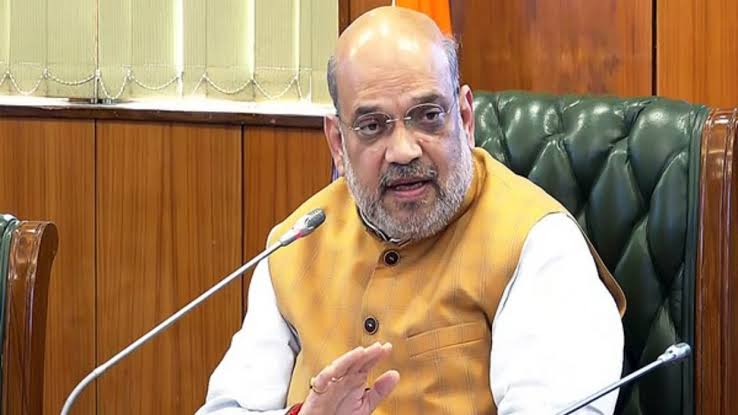
कल 3 बजे विरोधियों को जवाब दूंगा', विपक्ष की मांग पर बोले शाह, राहुल गांधी ने कहा- हम नहीं सुनेंगे

#amitshahiwillanswerallquestionsthursday3pmopposition_demand

20 जुलाई को दिल्ली में प्रदर्शन कर रहे छात्रों पर हुए पुलिस एक्शन के बाद से ही इस मुद्दे पर विपक्ष गृह मंत्री अमित शाह को लगातार निशाना बनाता रहा है। विपक्ष के नेता राहुल गांधी इस मामले में कई बार गृह मंत्री अमित शाह से जवाब मांग चुके हैं। राहुल गांधी ने कई बार सवाल किया है कि छात्रों की पिटाई और प्रदर्शनकारियों पर पैलेट गन चलाने का आदेश किसने दिया था। ऐसे में अमित शाह ने इस मुद्दे पर मीडिया से बात करते हुए पहली बार बयान दिया है। उनका कहना है कि आइए सदन में बहस शुरू करते हैं और इसके बाद मैं सभी सवालों का जवाब देने के लिए तैयार हूं। दूसरी तरफ, विपक्ष की तरफ से कहा गया कि हम नहीं सुनेंगे।

'लापता', 'भगोड़े जैसे शब्दों पर क्या कहा?

पिछले दो-तीन दिनों से विपक्ष संसद में गृह मंत्री अमित शाह के बयान की मांग कर रहा है। इस पर अमित शाह ने पत्रकारों से बात करते हुए कहा कि सबसे पहले तो 'लापता', 'भाग गए', 'भगोड़े हैं', इस प्रकार की भाषा भारत की सार्वजनिक जीवन में और संसदीय जीवन में अभी-अभी सुनाई पड़ती है। जब से संसद सत्र शुरू हुआ तब से लगातार मैं संसद में आता हूं, मेरी चैंबर में बैठा हूं। चूंकि संसद भवन के अंदर विपक्ष संसद को चलने ही नहीं दे रहा है दोनों गृहों में तो कोई जाकर क्या करेगा? जहां तक चर्चा का सवाल है, सरकार की ओर से किरण रिजिजू ने, जो हमारे पार्लियामेंट्री अफेयर्स मिनिस्टर हैं, बहुत स्पष्ट कर दिया है कि जो NEET आंदोलन के छात्र प्रदर्शन पर सभी प्रकार की चर्चा करने के लिए सरकार तैयार है। चर्चा के लिए समय सुनिश्चित किया जाए और विपक्ष तैयार हो जाए।

किसी भी सवाल का जवाब देने के लिए संसद में तैयार-शाह

गृह मंत्री ने आगे कहा कि पहले तो ये यही मांग (चर्चा की) कर रहे थे, हमने 'हां' बोल दिया। मेरी ओर से भी मैंने कह दिया है कि मैं किसी भी सवाल का जवाब देने के लिए संसद में तैयार हूं। मगर वो चर्चा ही नहीं होने देना चाहते। अब जनता तय करे कौन भाग रहा है? आज भी मैं कहता हूं, आज 3 बजे तक स्पीकर साहब को वो पत्र दे दें, 3 बजे से लेकर कल 3 बजे तक सभी प्रकार की चर्चा के लिए हम तैयार हैं। मैं सदन में ही बैठूंगा, सबको सुनूंगा और सब चीजों का जवाब दूंगा। सरकार के पास छुपाने के लिए कुछ नहीं है।

हम अमित शाह के भाषण को सुनना ही नहीं चाहते-राहुल गांधी

राहुल गांधी ने एक बार फिर केंद्रीय गृह मंत्री अमित शाह पर निशाना साधा है। उन्होंने कहा कि विपक्ष का साफ कहना है कि हम अमित शाह के भाषण को सुनना ही नहीं चाहते। मेरा 'हम' से मतलब देश की युवा पीढ़ी से है। संसद भवन परिसर में मीडिया से बात करते हुए राहुल गांधी ने कहा, 'हम बस जानना चाहते हैं कि प्रदर्शनकारी छात्रों पर गोलियां किसने चलवाईं? किसने इसके आदेश दिए? लाठीचार्ज के आदेश किसने दिए? वो आदेश गृह मंत्रालय से दिए गए। क्या अमित शाह ने आदेश दिए या नहीं। अगर उन्होने इसके आदेश दिए तो उन्हें इस्तीफा देना चाहिए क्योंकि वे दोषी हैं और अगर उन्होंने आदेश नहीं दिए तो भी उन्हें इस्तीफा देना चाहिए क्योंकि वे पद के योग्य नहीं हैं।

भारत आ रहे चीनी राष्ट्रपति? ब्रिक्स समिट के लिए जिनपिंग के दिल्ली दौरे पर सस्पेंस

#willxijinpingattendbricssummitchinahasnotyetresponded

भारत इस सप्ताह दुनिया की बड़ी उभरती अर्थव्यवस्थाओं के नेताओं की मेजबानी करने जा रही है। भारत 12 और 13 सितंबर को राजधानी के भारत मंडपम में 18वें ब्रिक्स शिखर सम्मेलन की मेजबानी करेगा। प्रधानमंत्री नरेंद्र मोदी सम्मेलन की मेजबानी करेंगे। रूस के राष्ट्रपति व्लादिमीर पुतिन का सम्मेलन में शामिल होना तय हो गया है। हालांकि, चीनी राष्ट्रपति शी जिनपिंग के नई दिल्ली आने पर अभी तक संशय बना हुआ है।

चीनी विदेश मंत्रालय की प्रवक्ता माओ निंग से मंगलवार को पूछा गया कि चीन की ओर से समिट में कौन शामिल होगा। उन्होंने कहा कि चीन ब्रिक्स सहयोग को बहुत महत्व देता है और भारत के सफल सम्मेलन आयोजित करने का समर्थन करता है। हालांकि, उन्होंने चीनी डेलिगेशन या जिनपिंग की मौजूदगी पर कोई साफ जवाब नहीं दिया। उन्होंने कहा कि अगर कोई नई जानकारी होगी तो उसे बताया जाएगा।

क्या है चीन की चुप्पी की वजह?

नई दिल्ली में 11 सितंबर से ब्रिक्स शिखर सम्मेलन में शामिल होने की बात रूस के राष्ट्रपति व्लादिमीर पुतिन समेत ईरानी राष्ट्रपति मसूद पेजेश्कियन कर चुके हैं। लेकिन चीन की तरफ से अभी तक पुष्टि नहीं की गई है कि राष्ट्रपति शी जिनपिंग आएंगे या नहीं। जबकि बिश्केक में पिछले महीने अंत में आयोजित एससीओ शिखर सम्मेलम में शी जिनपिंग के शामिल होने की पुष्टि बीजिंग ने करीब 10 दिन पहले कर दी थी।

मोदी ने 2025 में शी को दिया था न्योता

भारत ने अगस्त 2025 में प्रधानमंत्री नरेंद्र मोदी की चीन यात्रा के दौरान शी जिनपिंग को 2026 ब्रिक्स समिट में आने का न्योता दिया था। भारतीय विदेश मंत्रालय के मुताबिक, जिनपिंग ने मोदी के न्योते के लिए धन्यवाद दिया था और भारत की ब्रिक्स अध्यक्षता का समर्थन किया था। लेकिन न्योता मिलने का मतलब जिनपिंग का सम्मेलन में आना तय होना नहीं है।

जिनपिंग की भारत यात्रा क्यों होगी खास?

शी जिनपिंग की यात्रा पर सबकी नजर इसलिए भी क्योंकि अगर वो दिल्ली आते हैं तो 2019 के बाद उनकी ये पहली भारत यात्रा होगी। जिनपिंग की संभावित मौजूदगी इस सम्मेलन की सबसे महत्वपूर्ण घटनाओं में से एक होगी। सम्मेलन से इतर प्रधानमंत्री नरेंद्र मोदी और शी जिनपिंग के बीच द्विपक्षीय मुलाकात की भी व्यापक उम्मीद है। दोनों देशों के बीच जटिल संबंधों के बीच ब्रिक्स का मंच उच्चस्तरीय संवाद का एक और रास्ता उपलब्ध करा सकता है।

Beyond Care: Building India's Longevity Economy By Alok Bhatnagar Founder & CEO, KinKeeper

India stands at the threshold of a demographic transformation that will redefine its economic and social future. For decades, our growth story has been powered by the demographic dividend of a young population. That advantage fuelled entrepreneurship, investment, and innovation. Today, however, a new opportunity is emerging—one that demands an equally ambitious vision.

The future of India's prosperity will not be shaped by youth alone. It will also depend on how successfully we enable millions of older Indians to live healthier, longer, more productive, and financially secure lives.

This is the foundation of the Longevity Economy.

Unlike the traditional view of ageing as a period of dependency, the longevity economy recognises longer lives as an economic asset. It encompasses the products, services, technologies, policies, and infrastructure that enable people to remain healthy, independent, socially connected, and economically active throughout later life. It is about moving beyond care to build an ecosystem that empowers people to age with dignity, purpose, and opportunity.

The scale of this opportunity is significant. According to the UNFPA India Ageing Report 2023, India had approximately 149 million people aged 60 years and above in 2022. By 2050, that number is projected to reach 347 million, representing 20.8% of the population. The population aged 80 years and above is expected to grow by around 279% during the same period. These figures represent one of the most profound demographic shifts in India's history.

The challenge, however, is not simply that people are living longer. It is ensuring they live better. Extending healthspan—the years spent in good physical, mental, and social health—is as important as extending lifespan. Healthier ageing reduces pressure on healthcare systems while enabling people to remain active, independent, and engaged for longer.

This transformation extends far beyond healthcare. It creates opportunities across preventive healthcare, digital health, AgeTech, insurance, retirement planning, accessible housing, mobility, wellness, nutrition, lifelong learning, travel, home modifications, and community-based services. Advances in artificial intelligence, wearable devices, remote monitoring, and assistive technologies are also reshaping how people age safely and independently.

A growing number of senior citizens today possess accumulated savings, home ownership, professional expertise, and decades of experience. They are not merely recipients of care—they are consumers, mentors, entrepreneurs, investors, volunteers, and active contributors to society. Businesses that understand their evolving aspirations will be better positioned to serve one of India's fastest-growing consumer segments.

Recognising this opportunity, NITI Aayog has highlighted the rapid emergence of India's silver economy and the opportunities it presents across healthcare, financial services, housing, technology, wellness, and home-based care. The report also notes that healthcare accounts for nearly 31% of senior citizens' expenditure, underscoring the growing demand for preventive healthcare, rehabilitation, home healthcare, and technology-enabled services.

The longevity economy is also poised to become a major employment generator. As India's population ages, demand will grow for caregivers, geriatric specialists, nurses, physiotherapists, rehabilitation professionals, psychologists, nutritionists, accessibility consultants, financial advisers, and AgeTech innovators. Building this ecosystem can create millions of skilled jobs while improving quality of life and reducing pressure on families.

The Economic Survey 2023–24 introduces the concept of the Silver Dividend, noting that enabling people aged 60–69 to remain economically active could increase GDP across Asian economies by an average of 1.5%. It recommends greater investment in lifelong learning, care infrastructure, workforce development, and age-friendly employment, recognising healthy ageing as both a social and economic priority.

Around the world, countries are already adapting to longer lives. Japan has pioneered AgeTech and robotics for independent living. Germany has strengthened long-term care systems, while Singapore has invested in age-friendly communities and ageing-in-place programmes. Their experience demonstrates that demographic change can become a catalyst for innovation when supported by forward-looking policy and private-sector investment.

India must now develop its own model. Urbanisation, migration, smaller families, and longer life expectancy have changed traditional caregiving patterns. Millions of older parents now live independently while their children pursue careers elsewhere. Meeting their evolving needs will require an integrated ecosystem that combines family support, technology, professional services, and community engagement.

The Government of India has taken encouraging steps through initiatives such as the Senior Ageing Growth Engine (SAGE), which supports startups developing solutions for older adults, alongside programmes that encourage healthy ageing and continued participation in society. Together, these initiatives signal an important shift—from treating ageing primarily as a welfare concern to recognising it as a driver of innovation and economic opportunity.

Yet government action alone will not be enough. Building a longevity economy requires collaboration between policymakers, entrepreneurs, healthcare providers, investors, insurers, technology companies, financial institutions, urban planners, academia, and civil society. Age-friendly infrastructure, preventive healthcare, digital inclusion, lifelong learning, and community-based support must become central to India's development agenda.

As India progresses towards Viksit Bharat 2047, success will not be measured solely by economic growth. It will also be measured by how effectively we enable people of every generation to live healthier, safer, more independent, and financially secure lives.

The question is no longer whether India will become an ageing society—it already is. The real challenge is whether we are prepared to transform longevity into a national advantage.

Building the longevity economy is not simply about caring for older citizens. It is about creating a future where longer lives fuel innovation, strengthen industries, generate employment, and enhance social well-being. India has the scale, entrepreneurial talent, and policy momentum to lead this transformation. If we act with vision today, longevity will become not a demographic challenge, but one of India's greatest economic opportunities.

Soummodeep Dey Appointed National Coordinator of Janata Congress Party, Set to Lead Youth Mobilisation Drive

Jamshedpur/New Delhi: In a move that signals a fresh push for youth-driven politics, the Janata Congress Party (JCP) has elevated Soummodeep Dey, a Jamshedpur-based social worker and youth activist, to the position of National Coordinator. The appointment, confirmed by the party's central leadership, marks a significant step up from his earlier role as the party's National Youth Coordinator and places him at the heart of JCP's organisational expansion across the country.Dey's rise within the party has been steady. Barely months after taking charge of the youth wing under the "People First, Nation First, India First" banner, he has now been handed a broader mandate that goes beyond youth mobilisation to include strengthening the party's central committee structure. Party insiders say the decision reflects growing confidence in his ability to build grassroots networks and translate organisational directives into on-ground action.

"This is not just a position, it is a responsibility to build the organisation across the country and give the voice of the youth a new direction," Dey said following the announcement. He added that his immediate priorities would be organisational expansion, deeper youth participation, and highlighting issues that directly affect ordinary citizens.

A Background Rooted in Service

Dey's political journey did not begin with the Janata Congress Party. Hailing from Jamshedpur, Jharkhand, he first built a public profile through the Netaji Subhash Chandra Bose Seva Samiti, a community welfare organisation he founded that has been active in blood donation drives, cleanliness campaigns, disaster relief, and support for the underprivileged. The organisation's consistent work in the region earned Dey the Subhash Chandra Bose Icon Award 2025, a recognition of his contribution to social welfare and community development.

Before joining JCP, Dey was also associated with the National Students' Union of India, where he served as State Vice-Chairman of the Social Media Committee for Odisha. During his tenure, he was part of the coordination team for the Bharat Jodo Nyay Yatra in Odisha and held responsibilities within the University President NSUI campus committee, giving him early exposure to large-scale organisational coordination and student politics.

On the academic front, Dey holds a degree in Mechanical Engineering and an MBA specialising in Human Resources and Marketing, a combination that party colleagues say has shaped his structured approach to organisational planning.

Party's Push for Youth Leadership

The Janata Congress Party, which has been steadily expanding its footprint, has framed the appointment as part of a larger strategy to bring younger voices into decision-making roles ahead of upcoming state elections, including in Manipur and Goa. The party has also been vocal on regional and cross-border issues, recently expressing solidarity with flood and landslide-affected communities in Nepal, an initiative in which Dey featured prominently as the face of the party's outreach.

Party leadership, in its formal note of congratulations, said it appreciated Dey's trust, passion, and dedication toward youth and the nation, adding that his leadership was expected to help empower young people and position them at the forefront of nation-building efforts.

What Comes Next

With the appointment now official, attention turns to how quickly Dey can translate his organisational experience into visible results for JCP. His task list includes expanding the party's presence in states where it currently has limited structure, strengthening the central committee, and ensuring that youth engagement extends beyond social media messaging into active ground mobilisation.

For a party still building its national identity, the choice of a coordinator with a background in both grassroots social work and structured student politics appears deliberate. Whether this translates into electoral traction remains to be seen, but for now, the appointment has generated visible enthusiasm among party supporters and workers who see it as evidence of the party's willingness to invest in younger leadership.

Soummodeep Dey's appointment as National Coordinator adds a new chapter to a career that has moved from community service in Jamshedpur to student politics in Odisha and now to a national role within the Janata Congress Party's organisational framework.

For more information You can Visit on Instagram:

https://www.instagram.com/soummo_deep_dey?igsi=Z2FwaWlhbWNsems0


Nature Hospitality Expands Reach With New International Tour Packages

INDIA — Nature Hospitality, a travel and hospitality provider that has spent over a decade building its name around domestic getaways in Delhi, Bangalore, Mumbai, Chennai, Ahmedabad, Hyderabad and other Indian destinations, has now widened its portfolio to include a full lineup of international tour packages.The company, established in 2014, built its early reputation on curated trips to the Himalayan belt, Wayanad, Munnar, and island destinations such as Lakshadweep. Its move into international travel marks a shift for a brand that has largely been associated with domestic holidays until now.

The new offering includes Paris tour packages built around the Eiffel Tower, the Louvre Museum, and the Seine River, along with broader Europe tour packages covering France, Switzerland, Italy, Germany, and Spain. Travelers looking specifically at the Alps and lake country can also choose dedicated Switzerland tour packages.

Beyond Europe, Nature Hospitality has added USA tour packages featuring New York, Las Vegas, Los Angeles, and Miami, as well as Australia tour packages built around Sydney, Melbourne, and the Gold Coast. The company has also introduced Japan tour packages covering Tokyo, Kyoto, Osaka, and Mount Fuji, giving travelers a route into a market that combines modern cities with traditional culture.

For travelers drawn to desert landscapes and city luxury, the company has rolled out Dubai tour packages that include desert safaris, shopping, and sightseeing alongside stays at upscale hotels. South Africa tour packages round out the list, taking travelers through Cape Town, Johannesburg, and wildlife safaris across the country's landscapes.

"Our clients have been asking for the same kind of planning and support they got on their India trips, but for international destinations," the company said. "This expansion is our way of answering that demand without changing how we work with people."

That approach includes honeymoon and family packages, which the company has customized for couples, families, and groups traveling together. Nature Hospitality is also continuing its practice of building personalized itineraries from scratch, based on a traveler's destination, budget, travel dates, and specific preferences, rather than relying only on fixed departures.

Industry watchers have pointed to a broader trend behind this kind of expansion. Indian travelers have increasingly moved from domestic weekend trips toward longer international holidays over the past few years, a shift that has pushed many established domestic operators to add global destinations to their catalogs.

Nature Hospitality's past reviews, many tied to its Himalayan and Kerala tours, have often highlighted the hands-on support its team provides during a trip, including arranging local transport and adjusting plans on short notice. The company says it intends to carry that same level of involvement into its international bookings, from visa guidance to on-ground coordination at each destination.

The company has not limited its international packages to a single style of travel. Its catalog spans romantic city breaks in Paris, adventure-driven safaris in South Africa, beach and city combinations in Australia, and cultural circuits through Japan, giving it a spread that can serve very different types of travelers under one brand.

With this expansion, Nature Hospitality positions itself to compete for a segment of travelers who previously would have booked international trips through separate specialist agencies for each region. By keeping planning, budgeting, and support under one roof, the company is betting that convenience will be as strong a draw as the destinations themselves.

Nature Hospitality says more destinations and packages are expected to be added to its international lineup in the coming months, as it continues building out this side of the business alongside its existing domestic operations.

For those interested in Paris, Europe, USA, Australia, South Africa, Japan, Dubai, Switzerland, honeymoon and family holidays, or a fully customized international itinerary, Nature Hospitality can be reached through its official website and customer support channels.

Media Contact: Nature Hospitality Email: www.naturehospitality.net


WallX by Avinya Bharat Launches Premium LED Video Wall Brand on India's 80th Independence Day

Pune, Maharashtra, August 2026, Avinya Bharat Pvt Ltd has launched WallX, its new premium LED video wall brand, choosing August 15, 2026, India's 80th Independence Day, as the date to introduce it. The launch reflects the company's intent to build a trusted Indian name in high-performance, professionally engineered LED display technology.With WallX, Avinya Bharat is stepping into the premium tier of India's fast-growing LED video wall and professional display market. The brand's focus sits squarely on engineering quality, long-term reliability, and the kind of after-sale support that keeps a display running for years, not just months.

A Different Starting Point for LED Displays

Most LED video wall purchases in India are still decided on price alone. WallX was built around a different question: what does a display actually cost once you account for the years it has to keep working?

That question shapes how the brand evaluates every product it puts to market. Component quality, thermal management, electrical protection, power efficiency, and spare-part availability all factor into WallX's approach, alongside how easily a unit can be serviced once it's installed. Avinya Bharat wants customers to weigh an LED video wall as a complete engineered system, not a line item on a quotation.

That distinction matters most in settings where a screen going dark has real consequences, control rooms, retail storefronts, hospitality venues, and corporate environments where downtime affects operations or brand visibility.

Backing the Brand With a 3-Year Warranty

WallX is launching with a premium 3-year warranty across its product range, one of the more significant commitments the brand is making out of the gate. It's a direct statement of confidence in the engineering behind the displays, and it gives customers planning larger installations, the kind expected to run continuously for years, a clearer sense of what they're buying into.

For a new brand entering a crowded market, a warranty like this does double duty: it protects the customer and it sets a bar Avinya Bharat is committing to meet.

Engineering Comes First

WallX's product development is built around solutions for varied indoor and outdoor environments rather than a one-size-fits-all screen. The company draws on Avinya Bharat's existing experience in LED display manufacturing, project execution, and technical support to inform how each configuration is built.

Before recommending a setup, the WallX team looks at viewing distance, pixel pitch, screen dimensions, the installation environment, power requirements, thermal conditions, and how accessible the unit will be for future servicing. It's a more deliberate process than treating every deal as a standard screen sale, and one aimed at avoiding the kind of mismatched installations that create problems down the line.

Thinking in Lifecycle Terms, Not Purchase Price

For premium buyers, the sticker price is just the entry point. Electricity use, maintenance needs, spare parts, and potential downtime all add up over the life of an installation, and WallX is positioning its products around that fuller picture rather than the number on day one.

It's a straightforward philosophy, even if it runs against how most buyers are used to shopping for displays: what will this wall cost to run and maintain, not just what will it cost to buy. That framing is likely to resonate with businesses and institutions that need consistent performance and real service support behind their LED video wall investment.

Building From Pune, Aiming Nationwide

Launching WallX on Independence Day wasn't incidental, it reflects Avinya Bharat's ambition to build a genuinely Indian premium display brand from its base in Pune, Maharashtra. From there, the company plans to expand WallX's reach across India, serving corporate, commercial, institutional, retail, and mission-critical customers who need professional LED display solutions they can rely on.

Avinya Bharat views the WallX launch as more than a product introduction, it's the start of a brand built around raising the standard for quality, reliability, and customer confidence in India's LED display industry. The company's position is that the market's future won't be won on the lowest quote, but on the combination of performance, reliability, service, and total lifecycle value.

For more information visit wallxdisplay.com


Sanatan Dharma: The New Indian Brand Creating a Buzz Around Everyday Tradition

What happens when a young entrepreneur looks at something that has existed in Indian homes for centuries and decides to build a modern brand around it?The answer is Sanatan Dharma™—an emerging Indian consumer brand founded by Shivek Tyagi, which is now stepping into the rapidly evolving market for puja essentials and devotional products.

At a time when India's young entrepreneurs are increasingly building brands around traditional Indian products, Sanatan Dharma is attempting something particularly interesting: taking products that families have used for generations and presenting them to a new generation of consumers through modern branding, packaging and digital commerce.

And the idea is beginning to create attention.

From an Everyday Need to a Brand Opportunity

For generations, products such as camphor, cotton wicks, kumkum, kalawa, sindoor and other puja essentials have been purchased almost automatically from neighbourhood stores.

There was rarely a brand conversation around them.

Shivek Tyagi saw an opportunity in exactly that gap.

The thinking was simple: if consumers expect quality, consistency and trust from almost every other category they purchase, why should the products used in their most personal and meaningful rituals be any different?

That thought became the foundation for Sanatan Dharma.

Today, the brand is developing a growing portfolio of puja essentials, devotional products and curated puja kits, with an approach that combines traditional relevance with modern consumer expectations.

Why Is Sanatan Dharma Getting Attention?

Part of the answer lies in timing.

India's relationship with tradition is changing—not disappearing.

Young Indians are increasingly comfortable with digital commerce, modern packaging and online shopping, while at the same time remaining closely connected to festivals, family rituals and cultural practices.

This creates a fascinating opportunity.

A consumer can order groceries online, discover a new brand through social media and still sit with their family for Diwali puja in the evening.

Sanatan Dharma is positioning itself right in the middle of this changing behaviour.

Its proposition is not to change the rituals people follow.

It is to modernise the way the products behind those rituals are discovered and purchased.

From Camphor to Curated Puja Kits

The brand's portfolio includes everyday essentials such as camphor, Bhimseni camphor, cotton wicks, ghee cotton wicks, kumkum, kalawa, sindoor and Ashtagandh, along with curated kits designed around specific pujas and occasions.

The idea of curated kits is particularly relevant to today's consumer.

Instead of searching for every individual item required for a particular ritual, consumers can find products brought together for specific occasions.

It is a simple example of how traditional shopping behaviour can be made more convenient without changing the tradition itself.

The Shivek Tyagi Story

At the centre of this emerging brand is Shivek Tyagi, a young entrepreneur looking at an established category through a different lens.

Rather than entering an already crowded mainstream consumer category, Tyagi chose to build around a segment that is deeply connected to Indian households but has historically had relatively limited organised branding.

That decision reflects a broader entrepreneurial trend in India: finding opportunities not only in new technology or entirely new products, but also in categories that have existed for decades and are ready for a fresh approach.

Sanatan Dharma is still a young brand, but its ambition is considerably larger than its current footprint.

The objective is to build recognition, earn consumer trust and eventually create a household name in the puja and devotional products category.

The “New-Age” Puja Brand

Walk through a modern Indian home and you will see something interesting.

Tradition and technology now exist side by side.

A family may perform the same puja their grandparents performed, but the products for that puja can now be discovered through a smartphone.

That is the market Sanatan Dharma is entering.

The brand's identity combines traditional Indian cultural associations with contemporary packaging and digital accessibility. Its online presence allows consumers to explore its products beyond their local market.

For a category historically dependent on neighbourhood availability, this represents a significant shift.

Building a Brand, Not Just Selling Products

The real challenge for Sanatan Dharma will be building long-term trust.

Creating initial curiosity is one thing.

Becoming a brand that families repeatedly choose is another.

The company, a unit of Sara Greenworks Pvt. Ltd., is therefore looking beyond individual online sales. Its broader plans include expanding through retail stores, distributors, wholesale partnerships and digital commerce.

The ambition is to take the brand from individual households to retail shelves across India—and eventually to Indian communities around the world.

Why the Timing Could Be Right

India's consumer market is increasingly showing an appetite for brands that understand Indian culture.

From food and Ayurveda to handicrafts and traditional wellness products, entrepreneurs are discovering that heritage itself can become the foundation for modern businesses.

Sanatan Dharma is attempting a similar journey in the puja essentials category.

Its biggest advantage may be the familiarity of the products themselves.

Consumers already understand the need.

The opportunity is to give them a brand they can remember.

From Hype to Household Trust

Every emerging brand goes through a stage where curiosity turns into conversation.

Sanatan Dharma is now entering that phase.

Its combination of a young entrepreneurial vision, a culturally significant category and modern consumer positioning is attracting attention among consumers looking for more organised and accessible sources of puja essentials.

But Shivek Tyagi's larger challenge—and opportunity—is clear.

Can a new-age Indian brand become part of an age-old tradition?

If Sanatan Dharma succeeds, its journey could represent more than the growth of another consumer company.

It could demonstrate how India's oldest traditions can create opportunities for India's newest entrepreneurs.

Because the products may be traditional.

The rituals may be centuries old.

But the brand building around them is very much happening in today's India.

Sanatan Dharma™

An emerging Indian brand by Shivek Tyagi, bringing traditional puja essentials into the modern Indian home.

Website: www.sanatandharmaonline.com

WhatsApp Orders: +91-7982444690

Email:

Sanatan Dharma: The New Indian Brand Creating a Buzz Around Everyday Tradition

What happens when a young entrepreneur looks at something that has existed in Indian homes for centuries and decides to build a modern brand around it?The answer is Sanatan Dharma™—an emerging Indian consumer brand founded by Shivek Tyagi, which is now stepping into the rapidly evolving market for puja essentials and devotional products.

At a time when India's young entrepreneurs are increasingly building brands around traditional Indian products, Sanatan Dharma is attempting something particularly interesting: taking products that families have used for generations and presenting them to a new generation of consumers through modern branding, packaging and digital commerce.

And the idea is beginning to create attention.

From an Everyday Need to a Brand Opportunity

For generations, products such as camphor, cotton wicks, kumkum, kalawa, sindoor and other puja essentials have been purchased almost automatically from neighbourhood stores.

There was rarely a brand conversation around them.

Shivek Tyagi saw an opportunity in exactly that gap.

The thinking was simple: if consumers expect quality, consistency and trust from almost every other category they purchase, why should the products used in their most personal and meaningful rituals be any different?

That thought became the foundation for Sanatan Dharma.

Today, the brand is developing a growing portfolio of puja essentials, devotional products and curated puja kits, with an approach that combines traditional relevance with modern consumer expectations.

Why Is Sanatan Dharma Getting Attention?

Part of the answer lies in timing.

India's relationship with tradition is changing—not disappearing.

Young Indians are increasingly comfortable with digital commerce, modern packaging and online shopping, while at the same time remaining closely connected to festivals, family rituals and cultural practices.

This creates a fascinating opportunity.

A consumer can order groceries online, discover a new brand through social media and still sit with their family for Diwali puja in the evening.

Sanatan Dharma is positioning itself right in the middle of this changing behaviour.

Its proposition is not to change the rituals people follow.

It is to modernise the way the products behind those rituals are discovered and purchased.

From Camphor to Curated Puja Kits

The brand's portfolio includes everyday essentials such as camphor, Bhimseni camphor, cotton wicks, ghee cotton wicks, kumkum, kalawa, sindoor and Ashtagandh, along with curated kits designed around specific pujas and occasions.

The idea of curated kits is particularly relevant to today's consumer.

Instead of searching for every individual item required for a particular ritual, consumers can find products brought together for specific occasions.

It is a simple example of how traditional shopping behaviour can be made more convenient without changing the tradition itself.

The Shivek Tyagi Story

At the centre of this emerging brand is Shivek Tyagi, a young entrepreneur looking at an established category through a different lens.

Rather than entering an already crowded mainstream consumer category, Tyagi chose to build around a segment that is deeply connected to Indian households but has historically had relatively limited organised branding.

That decision reflects a broader entrepreneurial trend in India: finding opportunities not only in new technology or entirely new products, but also in categories that have existed for decades and are ready for a fresh approach.

Sanatan Dharma is still a young brand, but its ambition is considerably larger than its current footprint.

The objective is to build recognition, earn consumer trust and eventually create a household name in the puja and devotional products category.

The “New-Age” Puja Brand

Walk through a modern Indian home and you will see something interesting.

Tradition and technology now exist side by side.

A family may perform the same puja their grandparents performed, but the products for that puja can now be discovered through a smartphone.

That is the market Sanatan Dharma is entering.

The brand's identity combines traditional Indian cultural associations with contemporary packaging and digital accessibility. Its online presence allows consumers to explore its products beyond their local market.

For a category historically dependent on neighbourhood availability, this represents a significant shift.

Building a Brand, Not Just Selling Products

The real challenge for Sanatan Dharma will be building long-term trust.

Creating initial curiosity is one thing.

Becoming a brand that families repeatedly choose is another.

The company, a unit of Sara Greenworks Pvt. Ltd., is therefore looking beyond individual online sales. Its broader plans include expanding through retail stores, distributors, wholesale partnerships and digital commerce.

The ambition is to take the brand from individual households to retail shelves across India—and eventually to Indian communities around the world.

Why the Timing Could Be Right

India's consumer market is increasingly showing an appetite for brands that understand Indian culture.

From food and Ayurveda to handicrafts and traditional wellness products, entrepreneurs are discovering that heritage itself can become the foundation for modern businesses.

Sanatan Dharma is attempting a similar journey in the puja essentials category.

Its biggest advantage may be the familiarity of the products themselves.

Consumers already understand the need.

The opportunity is to give them a brand they can remember.

From Hype to Household Trust

Every emerging brand goes through a stage where curiosity turns into conversation.

Sanatan Dharma is now entering that phase.

Its combination of a young entrepreneurial vision, a culturally significant category and modern consumer positioning is attracting attention among consumers looking for more organised and accessible sources of puja essentials.

But Shivek Tyagi's larger challenge—and opportunity—is clear.

Can a new-age Indian brand become part of an age-old tradition?

If Sanatan Dharma succeeds, its journey could represent more than the growth of another consumer company.

It could demonstrate how India's oldest traditions can create opportunities for India's newest entrepreneurs.

Because the products may be traditional.

The rituals may be centuries old.

But the brand building around them is very much happening in today's India.

Sanatan Dharma™

An emerging Indian brand by Shivek Tyagi, bringing traditional puja essentials into the modern Indian home.

Website: www.sanatandharmaonline.com

WhatsApp Orders: +91-7982444690

Email:

Studying Abroad Sounds Exciting. But Where Should You Actually Go?

There is a particular kind of excitement that happens when a student says:“I want to study abroad.”

Suddenly, the family WhatsApp group is full of university rankings, YouTube campus tours, tuition fees and somebody's friend's cousin who apparently knows everything about studying in Europe.

Then comes the slightly less exciting question:

“Okay. Where exactly?”

With thousands of universities, courses and destinations to choose from, finding the right university can quickly become overwhelming.

And the biggest university name isn't necessarily the best answer.

Start With the Student, Not the University

A good university on paper can still be the wrong choice for a particular student.

The course may not fit their career goals. The cost may not work for the family. The country may offer an exciting opportunity but an environment the student isn't prepared for.

That is why university admissions should begin with a few more important questions:

Is the student eligible? What do they want to study? Can they afford it? Are they ready to live independently? And what kind of environment will help them thrive?

AdmissionsNest begins with understanding the student before moving into university shortlisting.

Through eligibility and readiness assessments and personalised admissions counselling, students can explore courses and universities based on their academic profile, goals, circumstances and aspirations.

Because Studying Abroad Is More Than Getting on a Plane

Getting admission to a university in Europe is an achievement.

But then comes the part nobody puts on the university brochure.

The weather may be completely different. Classroom expectations may change. Food, communication styles and social norms may be unfamiliar. Students may suddenly be managing their own money, accommodation, travel and daily life.

And then there is culture.

Europe offers an enormous variety of languages, traditions, communities and ways of life. For a student coming from India, that can be an incredible opportunity to discover new perspectives and people.

It can also take some getting used to.

AdmissionsNest therefore looks beyond academic eligibility to student readiness, helping students think about whether they are prepared for the independence, cultural adjustment and new environment that come with studying abroad.

Because getting there is one thing.

Being comfortable enough to thrive there is another.

Finding the Right Option Without Getting Lost in the Options

Students don't always need the same pathway.

For one, the right choice might be a university in the UK or elsewhere in Europe.

For another, it could be one of India's leading institutions.

For a working professional looking to change careers, upskill or pursue a promotion, an online degree may be the smarter option, allowing education to fit around an existing career.

AdmissionsNest helps students explore these different pathways through its university and course options, filtering possibilities based on relevant factors and providing one-to-one admissions counselling to help narrow the field.

And because higher education is a significant financial commitment, the conversation also needs to include scholarships, education loans, living costs and available work-and-study opportunities, where applicable.

From Shortlisting to the Admission Letter

Once a student has identified suitable options, AdmissionsNest can support the next steps, including applications, documentation, scholarship guidance, education-loan assistance and visa support.

The goal isn't to send every student abroad.

It is to help each student find a pathway that makes sense for their education, career goals, finances and readiness.

And the support doesn't necessarily stop when the admission letter arrives.

Through the wider Crescet ecosystem and its connection with TutorsNest, students can continue accessing academic guidance and support after they begin their studies.

Because admission is not the finish line.

It's the starting point.

So, Where Should You Go?

Maybe the answer is a university in Europe.

Maybe it's a leading institution in India.

Maybe it's an online degree that lets a working professional build a new career without putting their current one on hold.

The point is that there isn't one “best” university for everyone.

There is a best-fit pathway for each student.

AdmissionsNest is designed to help students and families find it through eligibility assessment, readiness assessment, admissions counselling, university shortlisting and support from application to beyond admission.

Because the question isn't simply:

“Where can I get admitted?”

It's:

“Where can I learn, adapt, grow and build the future I'm actually aiming for?”

That's where the right university search begins.


Website link: https://admissionsnest.in/


कल 3 बजे विरोधियों को जवाब दूंगा', विपक्ष की मांग पर बोले शाह, राहुल गांधी ने कहा- हम नहीं सुनेंगे*

#amitshahiwillanswerallquestionsthursday3pmopposition_demand

20 जुलाई को दिल्ली में प्रदर्शन कर रहे छात्रों पर हुए पुलिस एक्शन के बाद से ही इस मुद्दे पर विपक्ष गृह मंत्री अमित शाह को लगातार निशाना बनाता रहा है। विपक्ष के नेता राहुल गांधी इस मामले में कई बार गृह मंत्री अमित शाह से जवाब मांग चुके हैं। राहुल गांधी ने कई बार सवाल किया है कि छात्रों की पिटाई और प्रदर्शनकारियों पर पैलेट गन चलाने का आदेश किसने दिया था। ऐसे में अमित शाह ने इस मुद्दे पर मीडिया से बात करते हुए पहली बार बयान दिया है। उनका कहना है कि आइए सदन में बहस शुरू करते हैं और इसके बाद मैं सभी सवालों का जवाब देने के लिए तैयार हूं। दूसरी तरफ, विपक्ष की तरफ से कहा गया कि हम नहीं सुनेंगे।

'लापता', 'भगोड़े जैसे शब्दों पर क्या कहा?

पिछले दो-तीन दिनों से विपक्ष संसद में गृह मंत्री अमित शाह के बयान की मांग कर रहा है। इस पर अमित शाह ने पत्रकारों से बात करते हुए कहा कि सबसे पहले तो 'लापता', 'भाग गए', 'भगोड़े हैं', इस प्रकार की भाषा भारत की सार्वजनिक जीवन में और संसदीय जीवन में अभी-अभी सुनाई पड़ती है। जब से संसद सत्र शुरू हुआ तब से लगातार मैं संसद में आता हूं, मेरी चैंबर में बैठा हूं। चूंकि संसद भवन के अंदर विपक्ष संसद को चलने ही नहीं दे रहा है दोनों गृहों में तो कोई जाकर क्या करेगा? जहां तक चर्चा का सवाल है, सरकार की ओर से किरण रिजिजू ने, जो हमारे पार्लियामेंट्री अफेयर्स मिनिस्टर हैं, बहुत स्पष्ट कर दिया है कि जो NEET आंदोलन के छात्र प्रदर्शन पर सभी प्रकार की चर्चा करने के लिए सरकार तैयार है। चर्चा के लिए समय सुनिश्चित किया जाए और विपक्ष तैयार हो जाए।

किसी भी सवाल का जवाब देने के लिए संसद में तैयार-शाह

गृह मंत्री ने आगे कहा कि पहले तो ये यही मांग (चर्चा की) कर रहे थे, हमने 'हां' बोल दिया। मेरी ओर से भी मैंने कह दिया है कि मैं किसी भी सवाल का जवाब देने के लिए संसद में तैयार हूं। मगर वो चर्चा ही नहीं होने देना चाहते। अब जनता तय करे कौन भाग रहा है? आज भी मैं कहता हूं, आज 3 बजे तक स्पीकर साहब को वो पत्र दे दें, 3 बजे से लेकर कल 3 बजे तक सभी प्रकार की चर्चा के लिए हम तैयार हैं। मैं सदन में ही बैठूंगा, सबको सुनूंगा और सब चीजों का जवाब दूंगा। सरकार के पास छुपाने के लिए कुछ नहीं है।

हम अमित शाह के भाषण को सुनना ही नहीं चाहते-राहुल गांधी

राहुल गांधी ने एक बार फिर केंद्रीय गृह मंत्री अमित शाह पर निशाना साधा है। उन्होंने कहा कि विपक्ष का साफ कहना है कि हम अमित शाह के भाषण को सुनना ही नहीं चाहते। मेरा 'हम' से मतलब देश की युवा पीढ़ी से है। संसद भवन परिसर में मीडिया से बात करते हुए राहुल गांधी ने कहा, 'हम बस जानना चाहते हैं कि प्रदर्शनकारी छात्रों पर गोलियां किसने चलवाईं? किसने इसके आदेश दिए? लाठीचार्ज के आदेश किसने दिए? वो आदेश गृह मंत्रालय से दिए गए। क्या अमित शाह ने आदेश दिए या नहीं। अगर उन्होने इसके आदेश दिए तो उन्हें इस्तीफा देना चाहिए क्योंकि वे दोषी हैं और अगर उन्होंने आदेश नहीं दिए तो भी उन्हें इस्तीफा देना चाहिए क्योंकि वे पद के योग्य नहीं हैं।

कल 3 बजे विरोधियों को जवाब दूंगा', विपक्ष की मांग पर बोले शाह, राहुल गांधी ने कहा- हम नहीं सुनेंगे

#amitshahiwillanswerallquestionsthursday3pmopposition_demand

20 जुलाई को दिल्ली में प्रदर्शन कर रहे छात्रों पर हुए पुलिस एक्शन के बाद से ही इस मुद्दे पर विपक्ष गृह मंत्री अमित शाह को लगातार निशाना बनाता रहा है। विपक्ष के नेता राहुल गांधी इस मामले में कई बार गृह मंत्री अमित शाह से जवाब मांग चुके हैं। राहुल गांधी ने कई बार सवाल किया है कि छात्रों की पिटाई और प्रदर्शनकारियों पर पैलेट गन चलाने का आदेश किसने दिया था। ऐसे में अमित शाह ने इस मुद्दे पर मीडिया से बात करते हुए पहली बार बयान दिया है। उनका कहना है कि आइए सदन में बहस शुरू करते हैं और इसके बाद मैं सभी सवालों का जवाब देने के लिए तैयार हूं। दूसरी तरफ, विपक्ष की तरफ से कहा गया कि हम नहीं सुनेंगे।

'लापता', 'भगोड़े जैसे शब्दों पर क्या कहा?

पिछले दो-तीन दिनों से विपक्ष संसद में गृह मंत्री अमित शाह के बयान की मांग कर रहा है। इस पर अमित शाह ने पत्रकारों से बात करते हुए कहा कि सबसे पहले तो 'लापता', 'भाग गए', 'भगोड़े हैं', इस प्रकार की भाषा भारत की सार्वजनिक जीवन में और संसदीय जीवन में अभी-अभी सुनाई पड़ती है। जब से संसद सत्र शुरू हुआ तब से लगातार मैं संसद में आता हूं, मेरी चैंबर में बैठा हूं। चूंकि संसद भवन के अंदर विपक्ष संसद को चलने ही नहीं दे रहा है दोनों गृहों में तो कोई जाकर क्या करेगा? जहां तक चर्चा का सवाल है, सरकार की ओर से किरण रिजिजू ने, जो हमारे पार्लियामेंट्री अफेयर्स मिनिस्टर हैं, बहुत स्पष्ट कर दिया है कि जो NEET आंदोलन के छात्र प्रदर्शन पर सभी प्रकार की चर्चा करने के लिए सरकार तैयार है। चर्चा के लिए समय सुनिश्चित किया जाए और विपक्ष तैयार हो जाए।

किसी भी सवाल का जवाब देने के लिए संसद में तैयार-शाह

गृह मंत्री ने आगे कहा कि पहले तो ये यही मांग (चर्चा की) कर रहे थे, हमने 'हां' बोल दिया। मेरी ओर से भी मैंने कह दिया है कि मैं किसी भी सवाल का जवाब देने के लिए संसद में तैयार हूं। मगर वो चर्चा ही नहीं होने देना चाहते। अब जनता तय करे कौन भाग रहा है? आज भी मैं कहता हूं, आज 3 बजे तक स्पीकर साहब को वो पत्र दे दें, 3 बजे से लेकर कल 3 बजे तक सभी प्रकार की चर्चा के लिए हम तैयार हैं। मैं सदन में ही बैठूंगा, सबको सुनूंगा और सब चीजों का जवाब दूंगा। सरकार के पास छुपाने के लिए कुछ नहीं है।

हम अमित शाह के भाषण को सुनना ही नहीं चाहते-राहुल गांधी

राहुल गांधी ने एक बार फिर केंद्रीय गृह मंत्री अमित शाह पर निशाना साधा है। उन्होंने कहा कि विपक्ष का साफ कहना है कि हम अमित शाह के भाषण को सुनना ही नहीं चाहते। मेरा 'हम' से मतलब देश की युवा पीढ़ी से है। संसद भवन परिसर में मीडिया से बात करते हुए राहुल गांधी ने कहा, 'हम बस जानना चाहते हैं कि प्रदर्शनकारी छात्रों पर गोलियां किसने चलवाईं? किसने इसके आदेश दिए? लाठीचार्ज के आदेश किसने दिए? वो आदेश गृह मंत्रालय से दिए गए। क्या अमित शाह ने आदेश दिए या नहीं। अगर उन्होने इसके आदेश दिए तो उन्हें इस्तीफा देना चाहिए क्योंकि वे दोषी हैं और अगर उन्होंने आदेश नहीं दिए तो भी उन्हें इस्तीफा देना चाहिए क्योंकि वे पद के योग्य नहीं हैं।